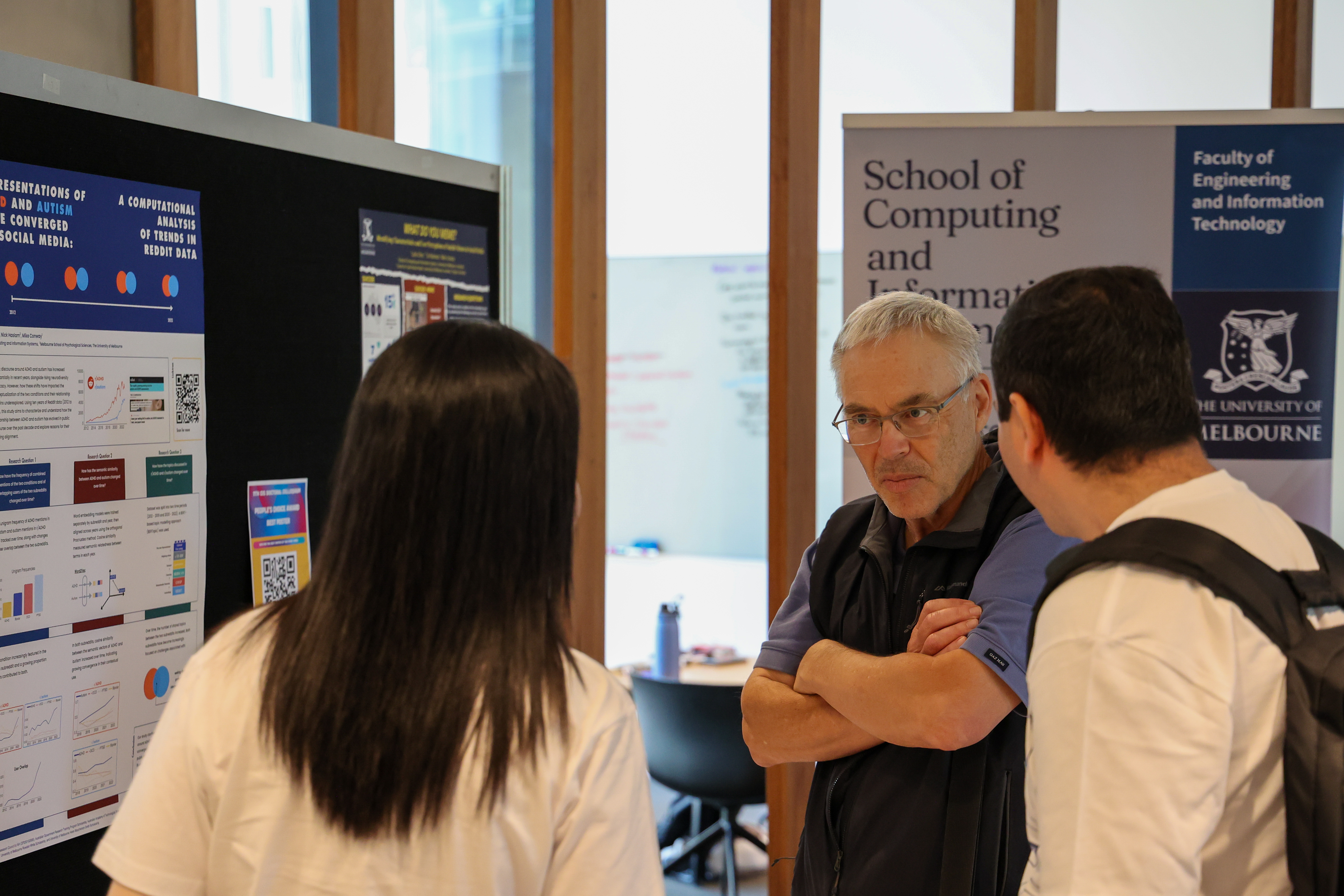
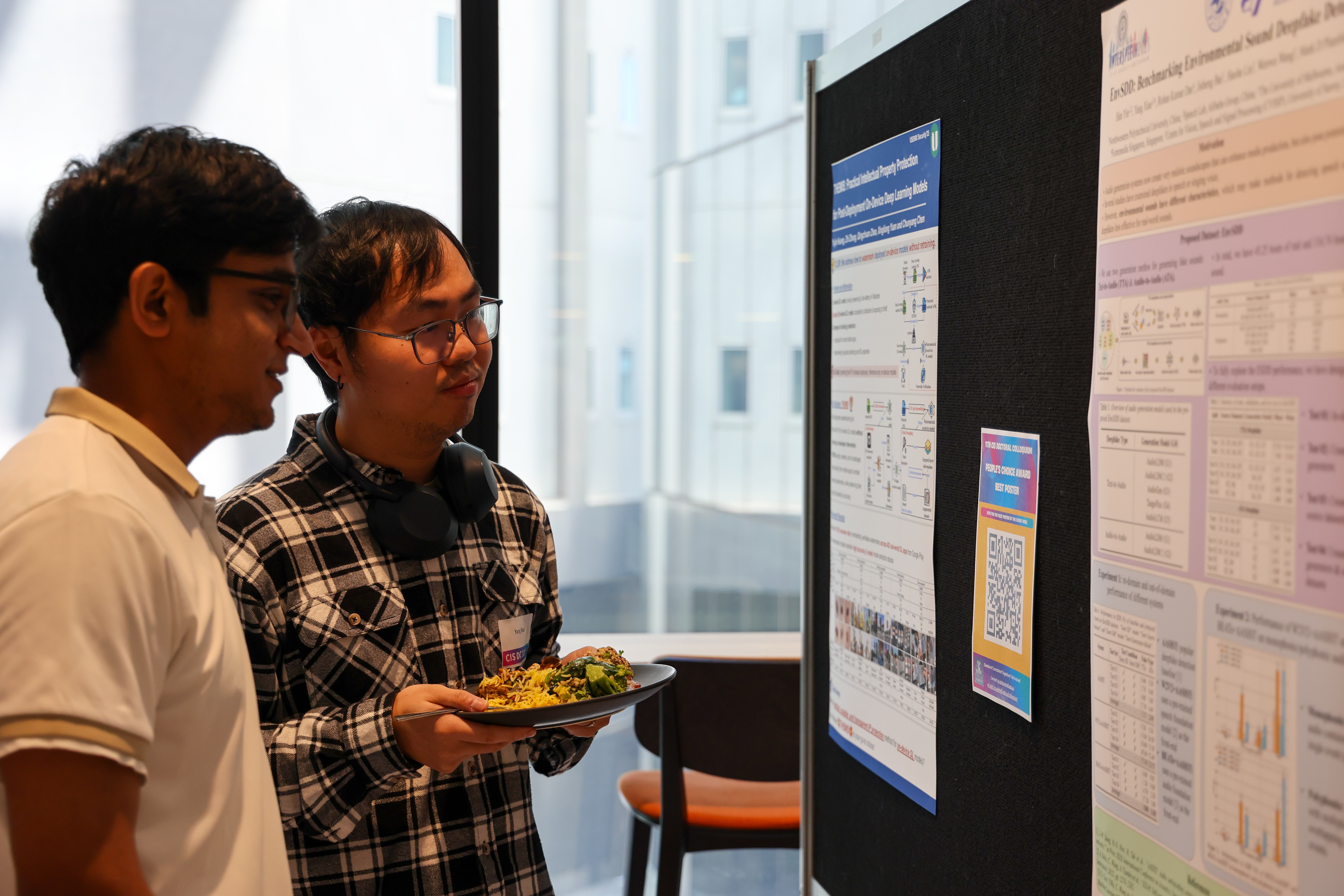
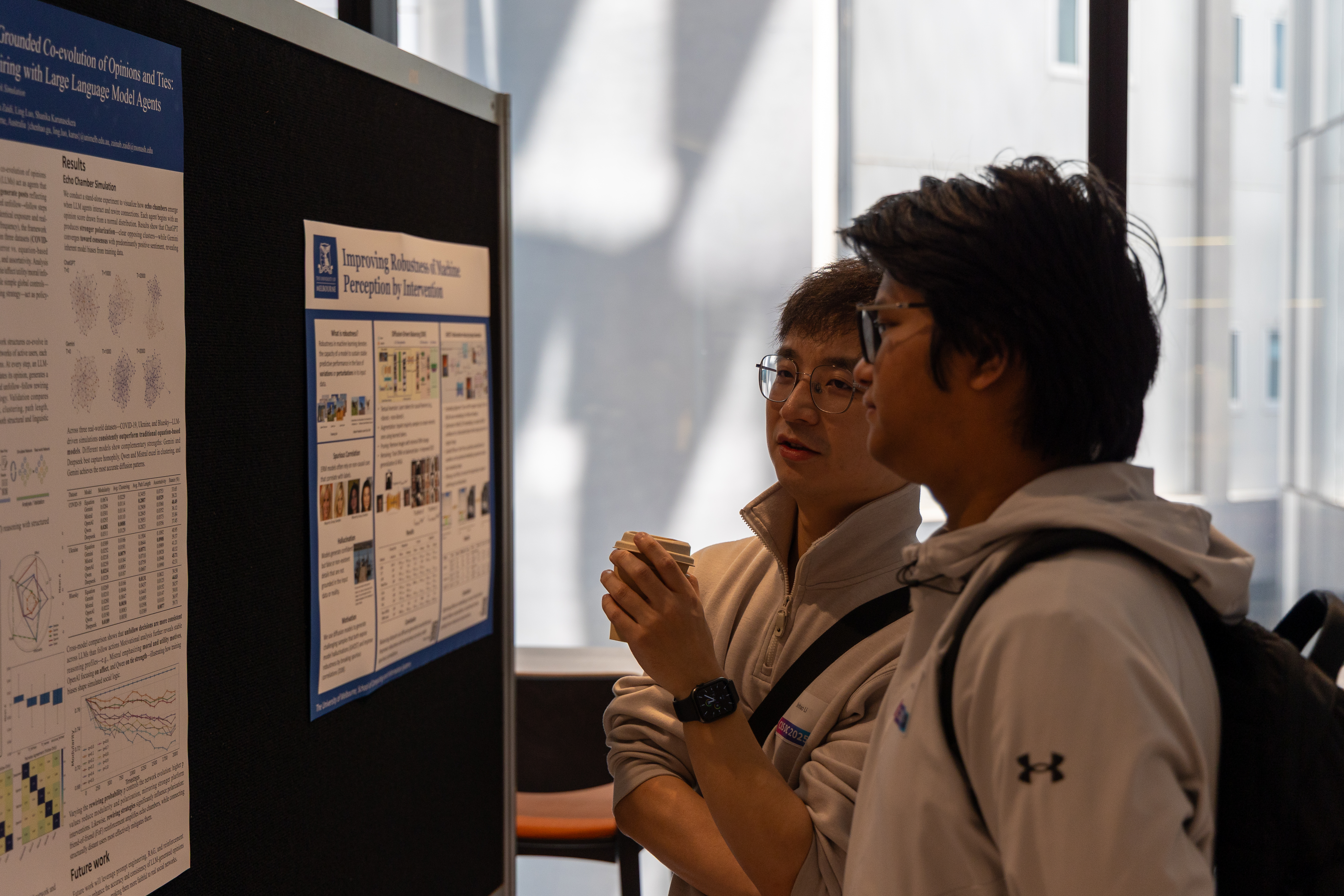
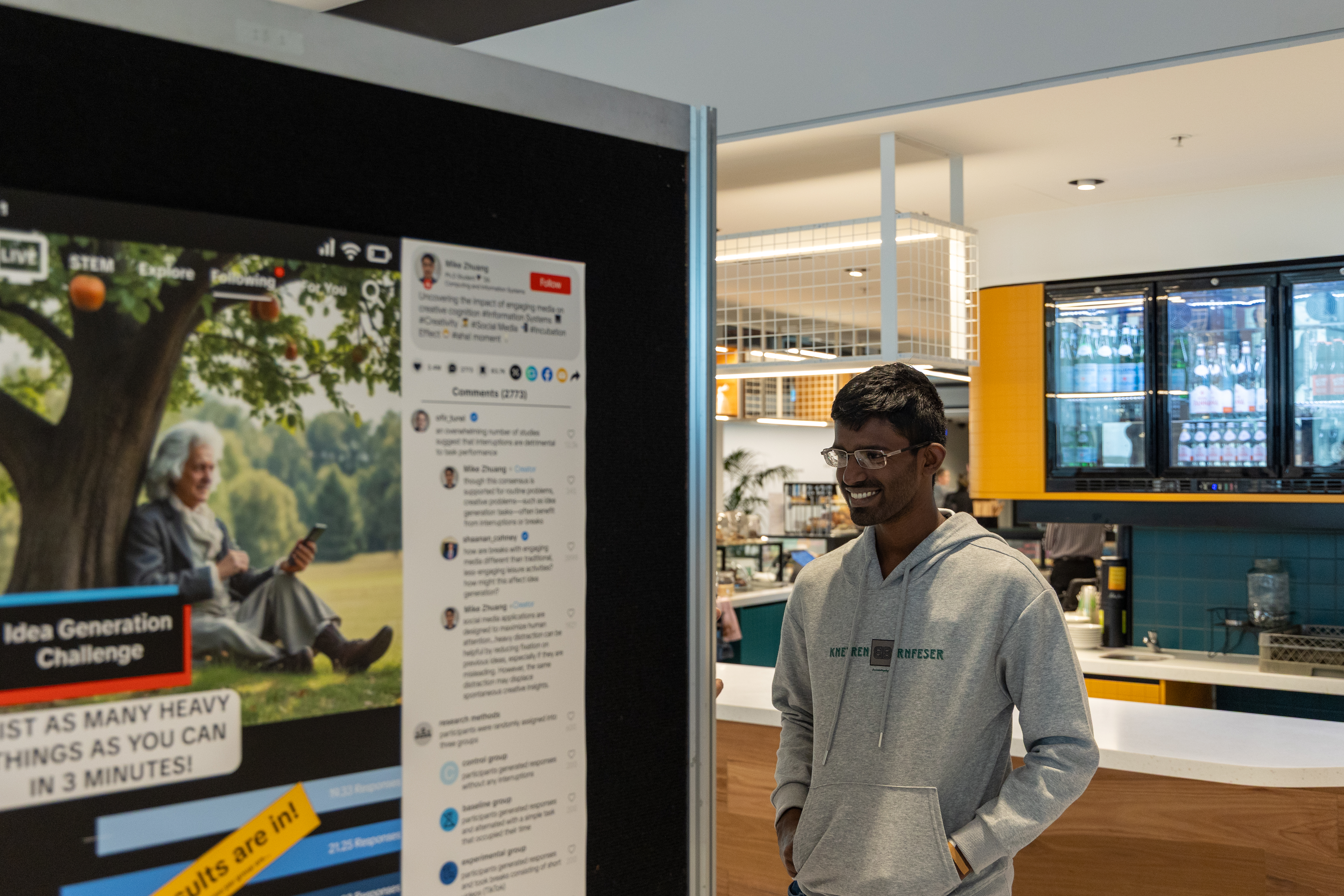
CIS Doctoral Colloquium 2025
The 2025 Doctoral Colloquium will be held on October 30 in Melbourne Connect.
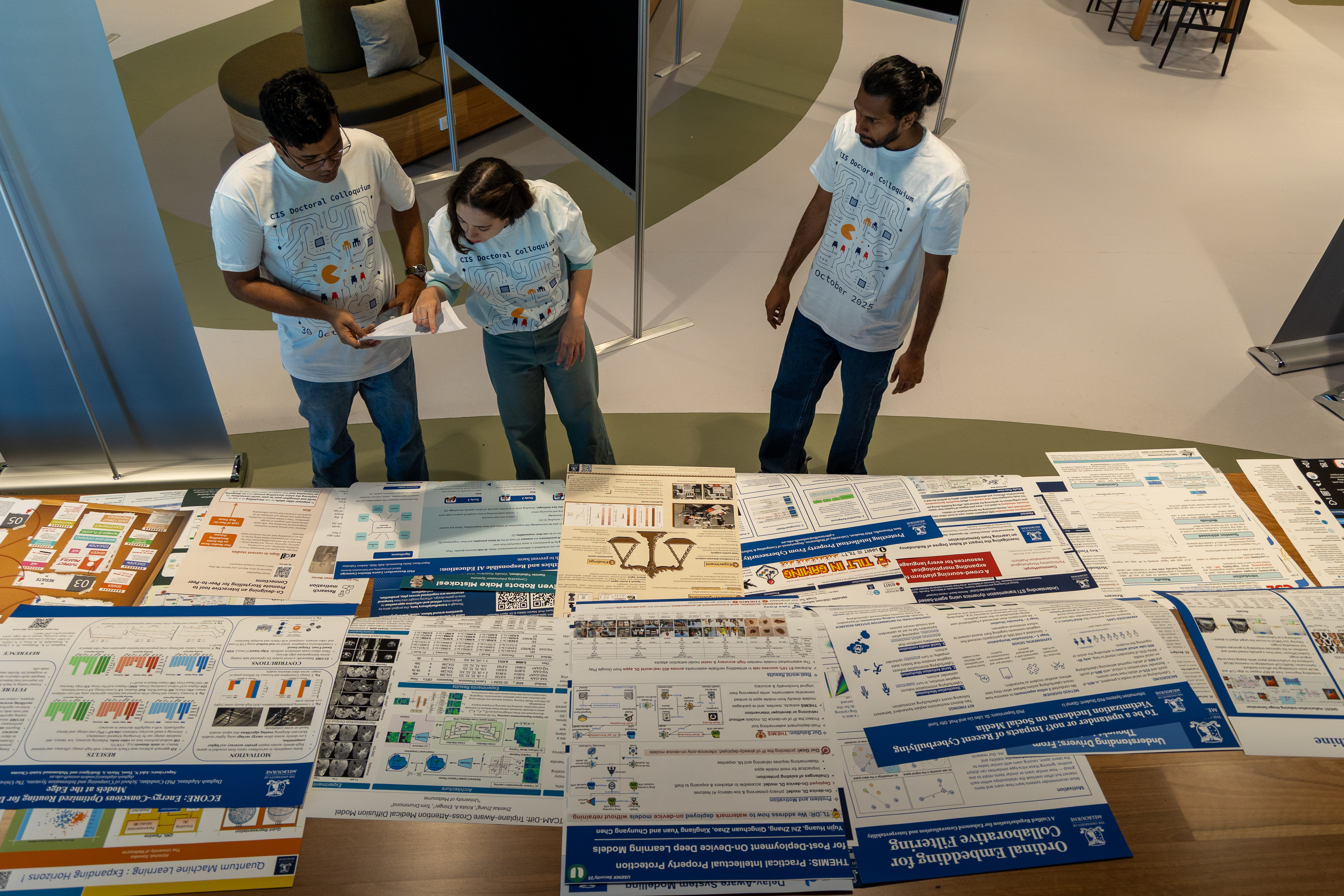
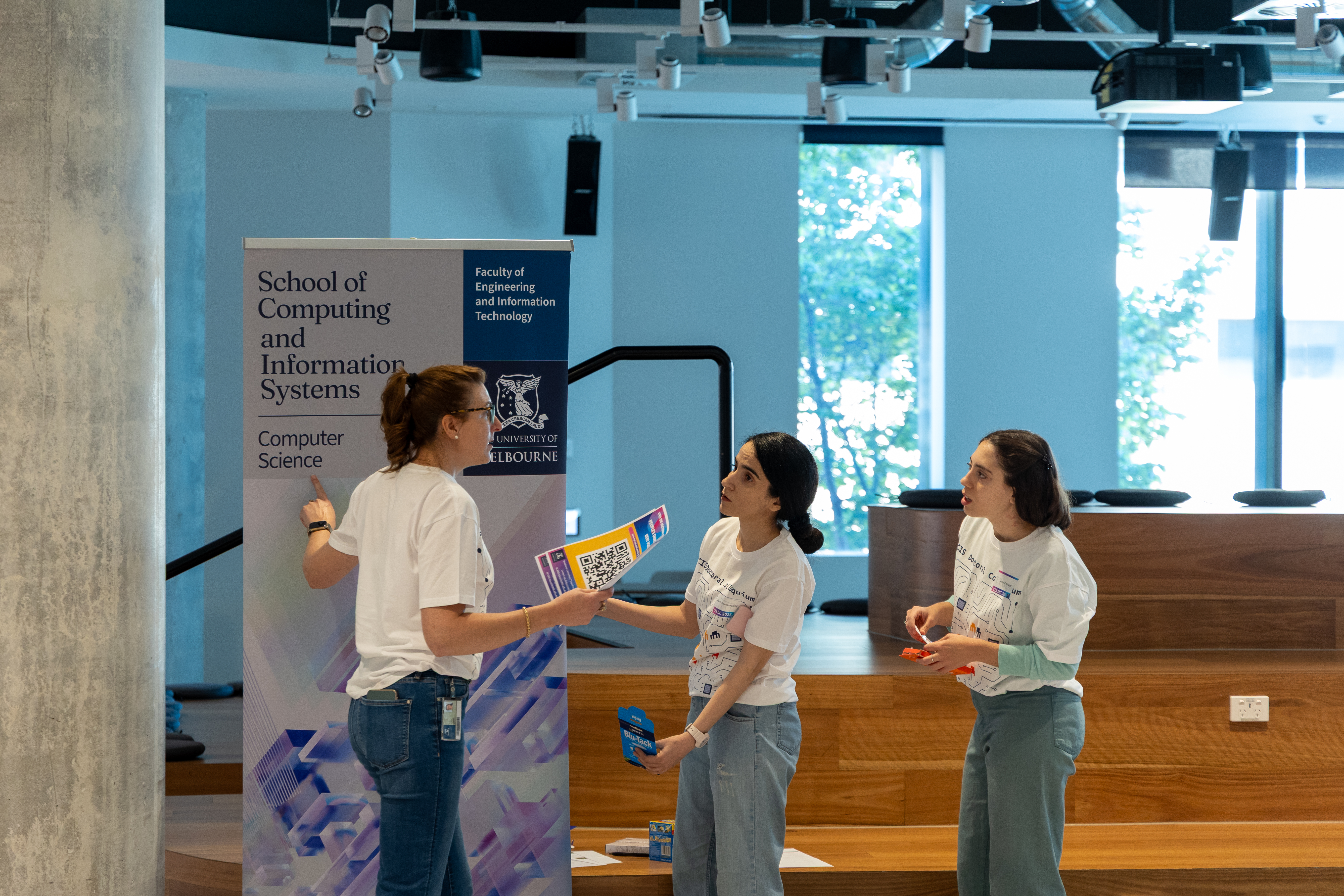
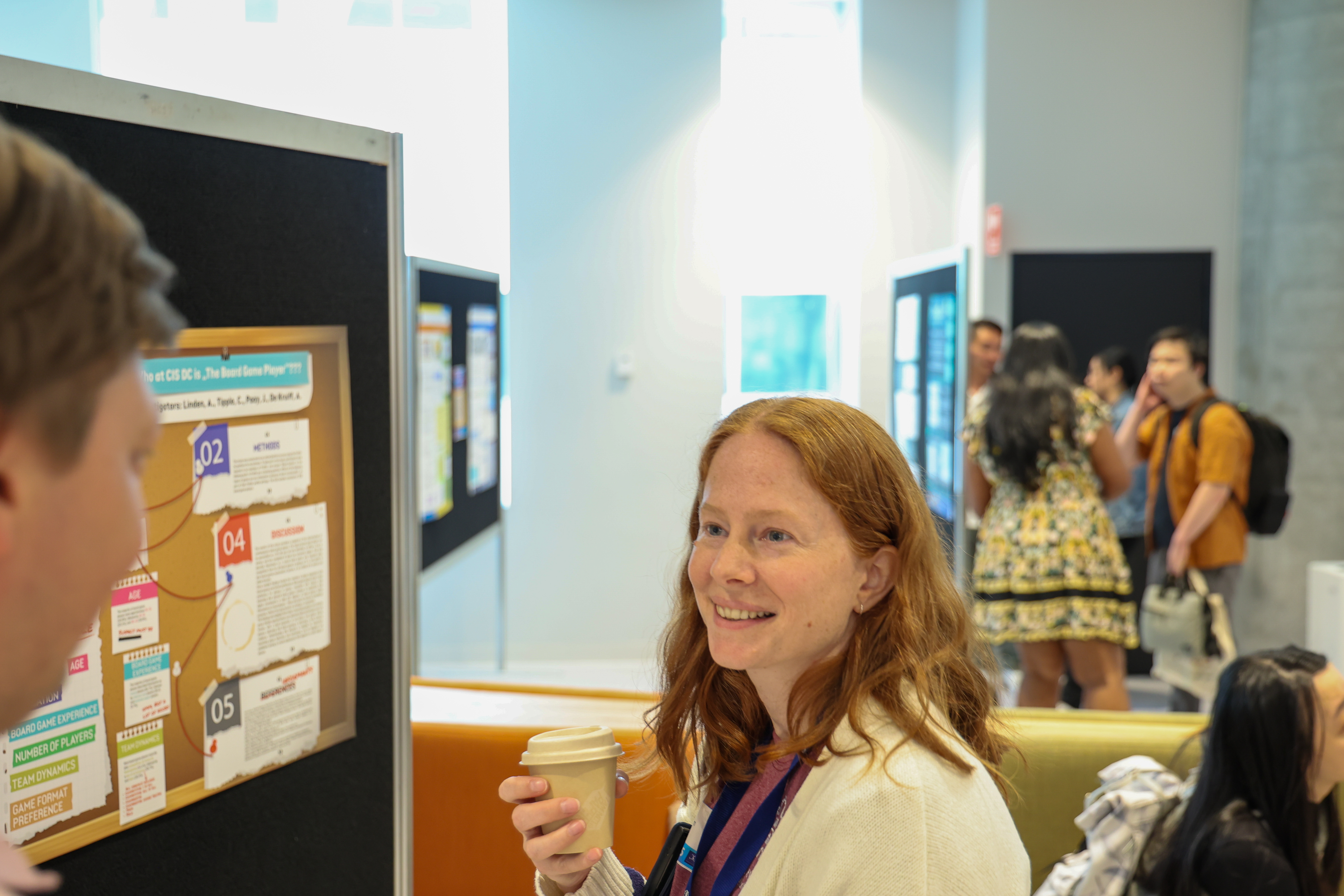
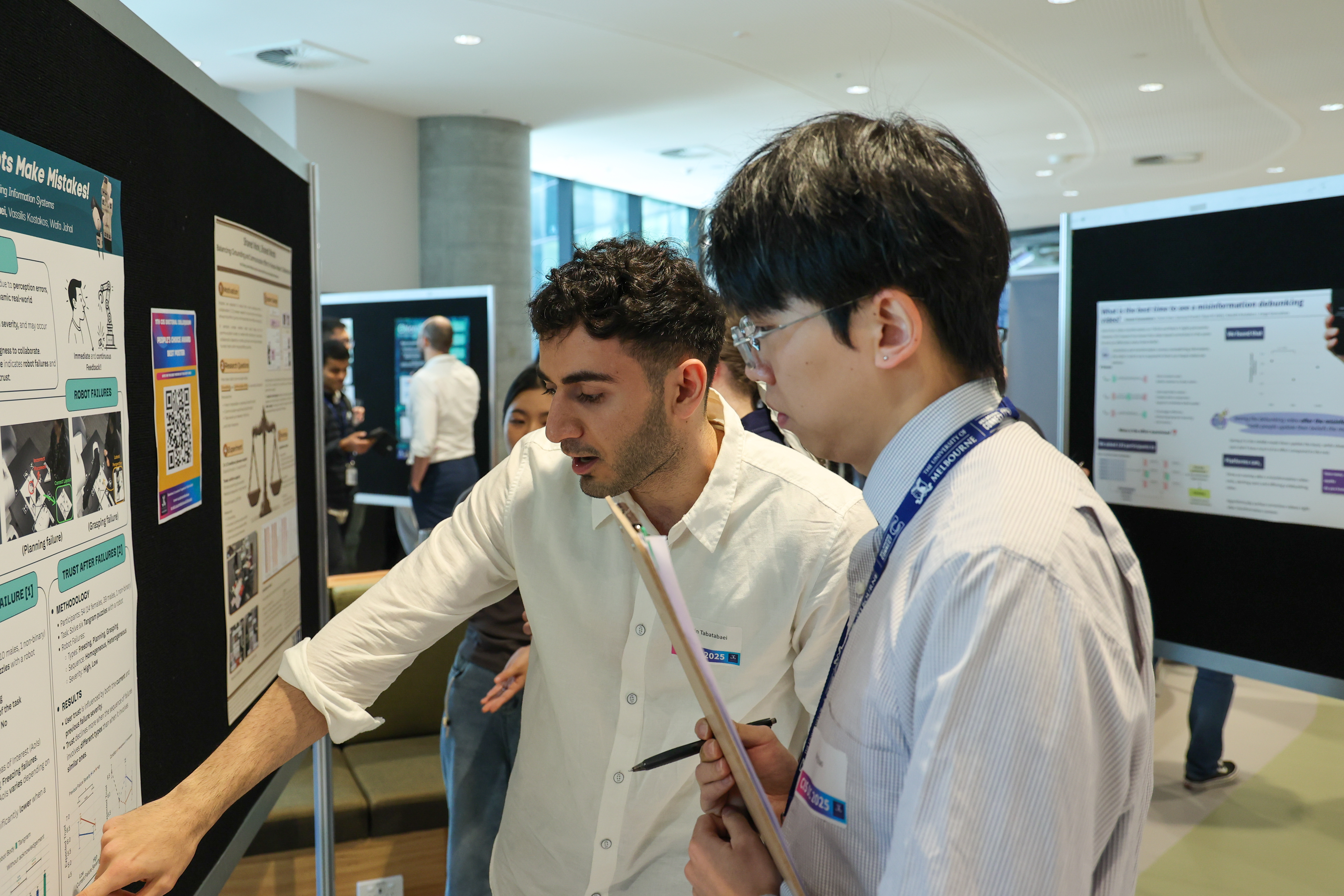
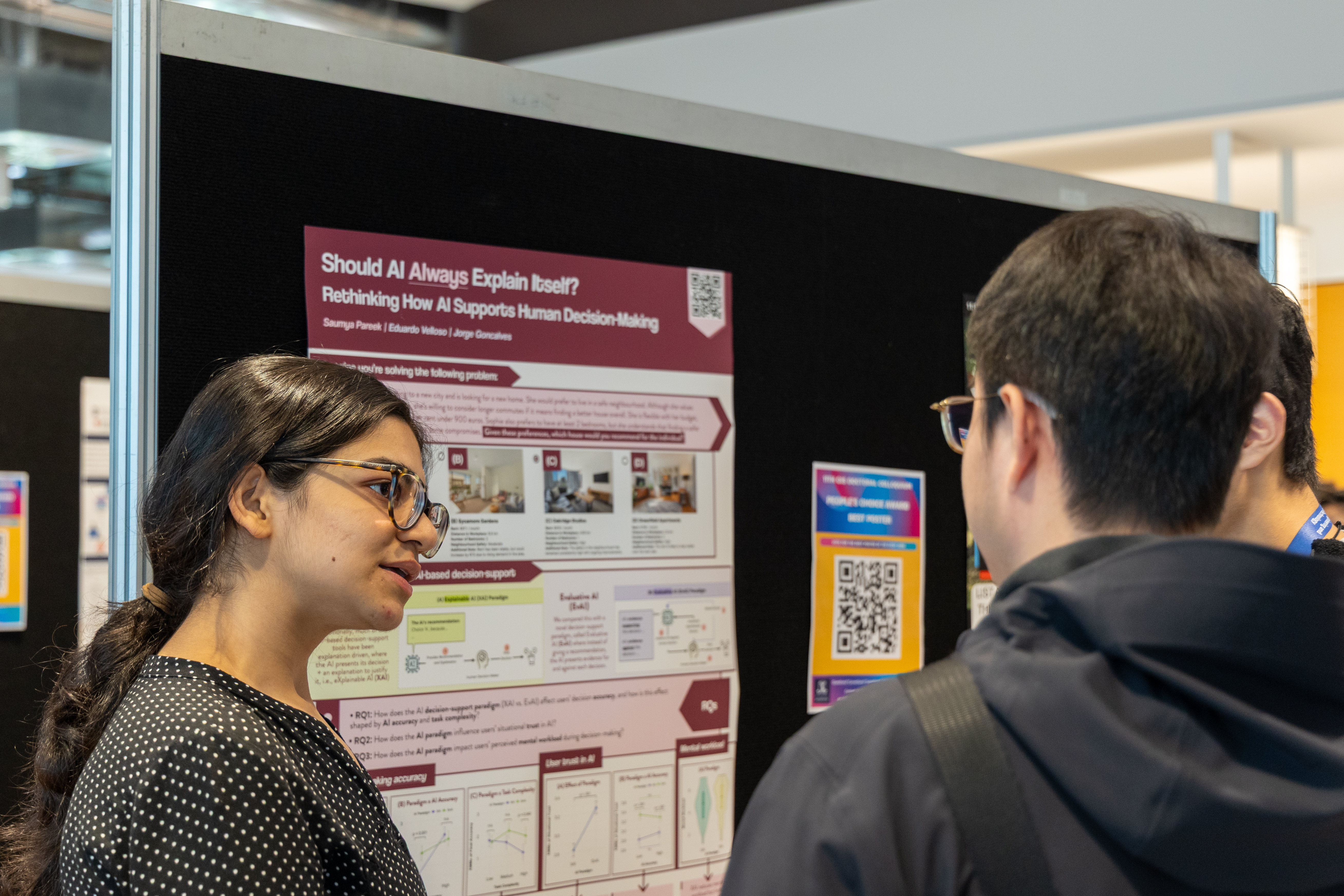
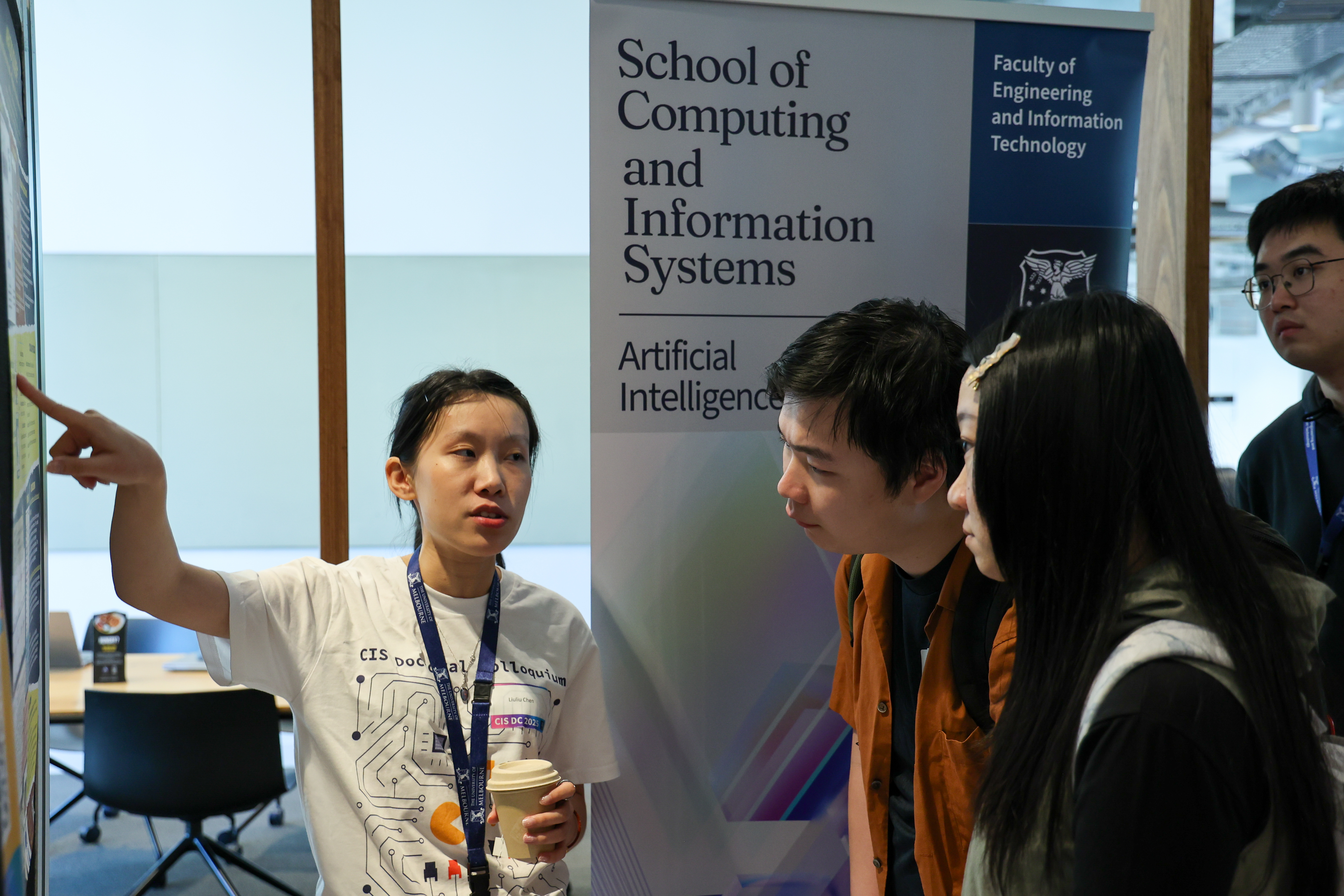
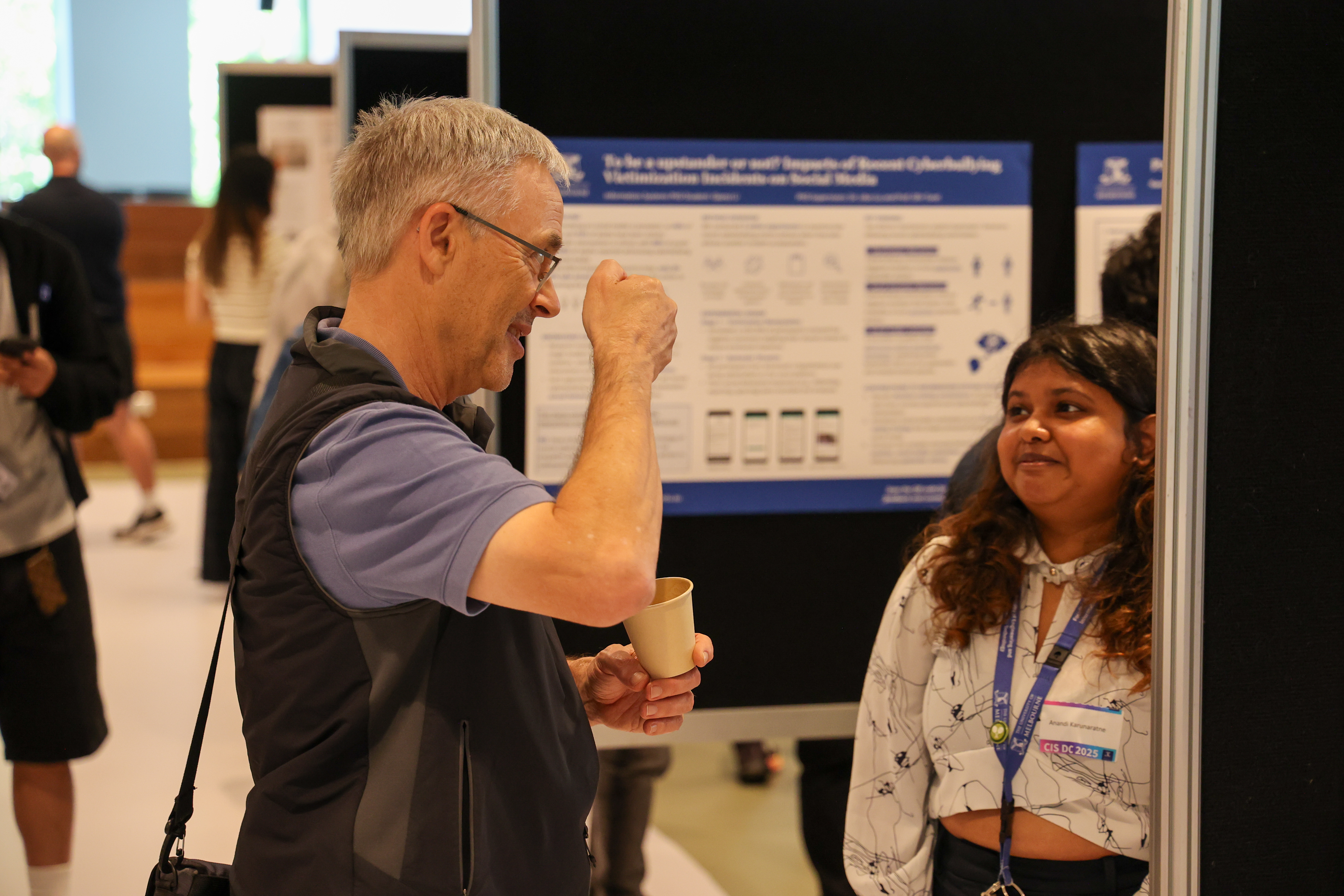
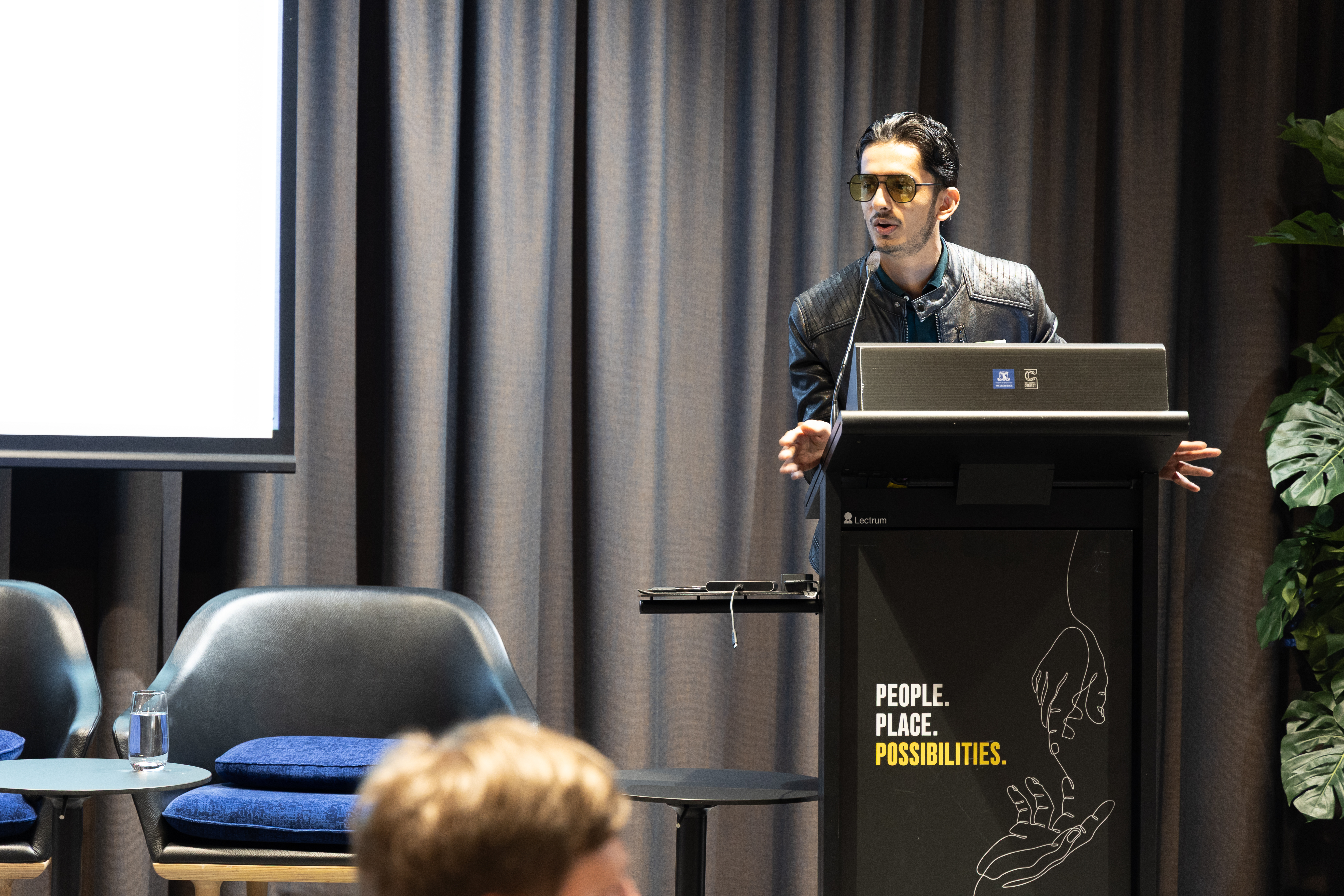
The CIS Doctoral Colloquium is an annual one-day research event for graduate researchers in the School of Computing and Information Systems.
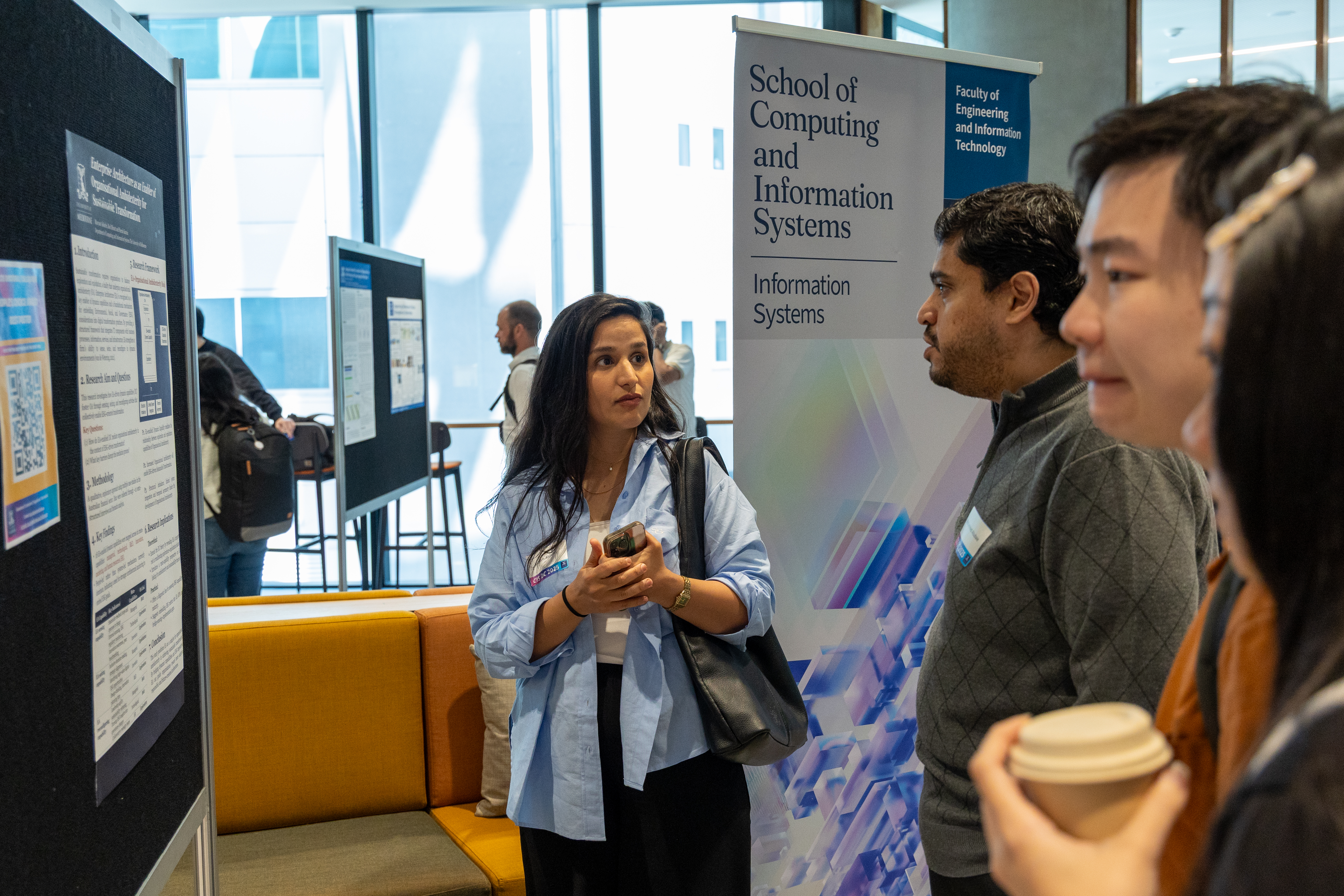
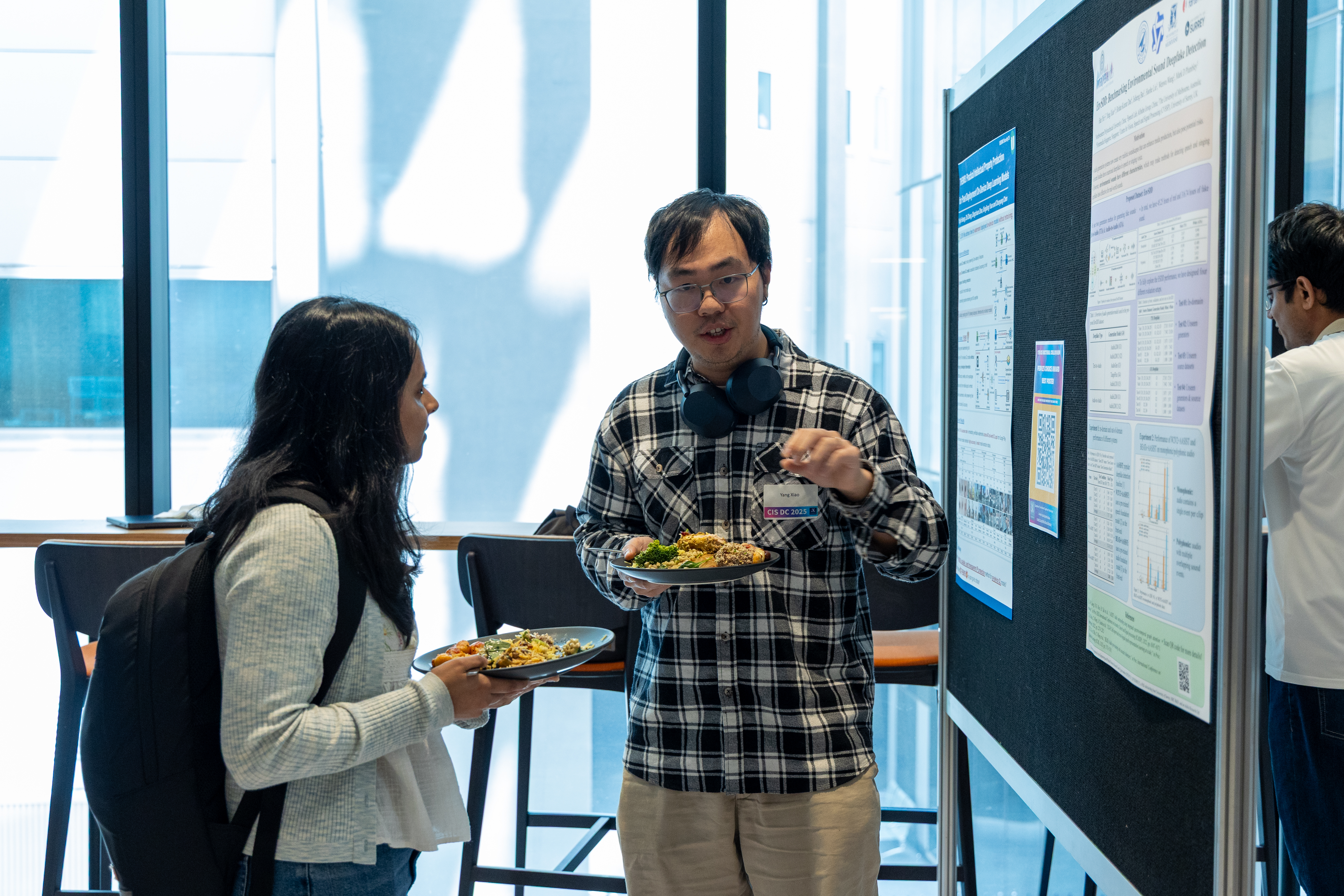
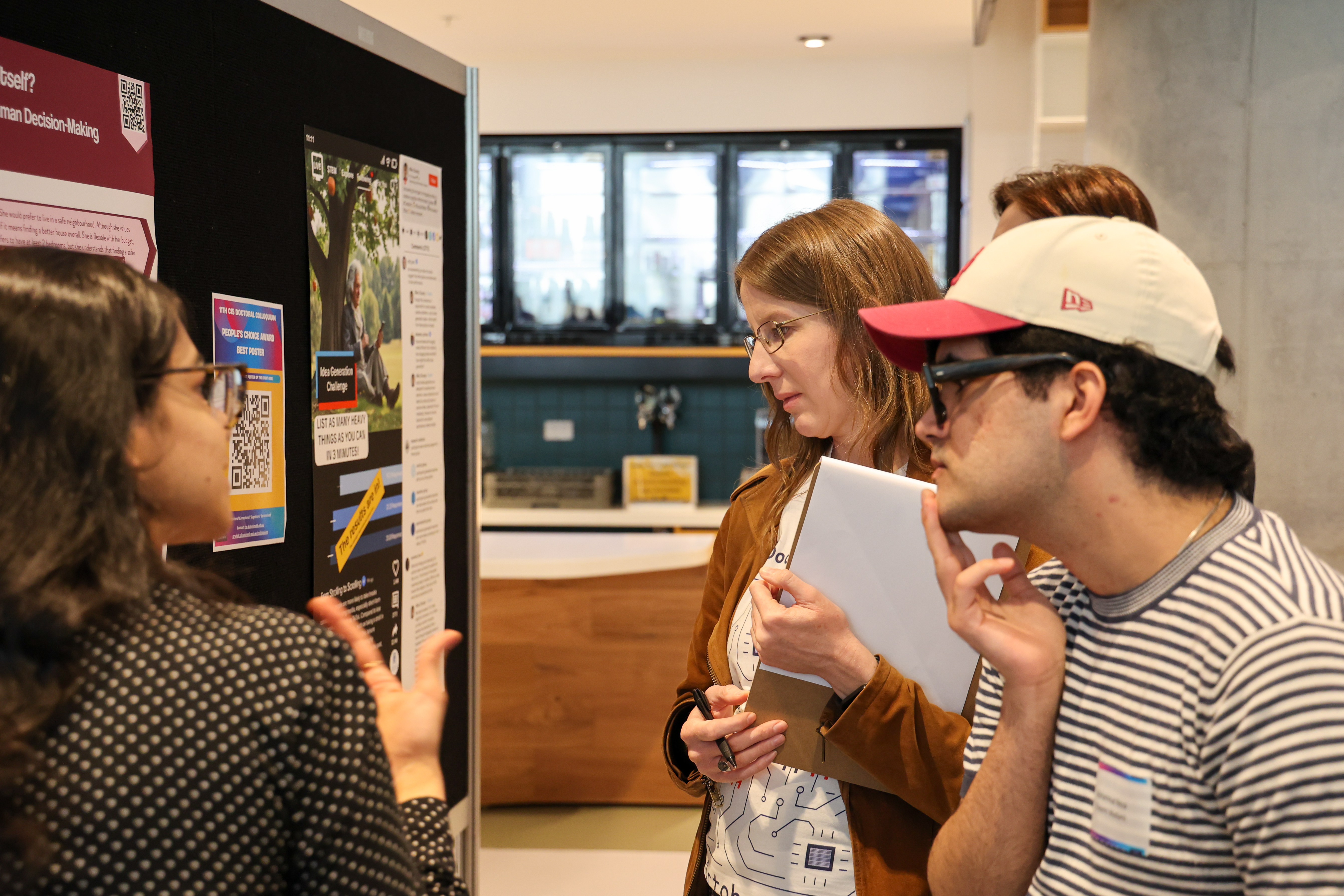
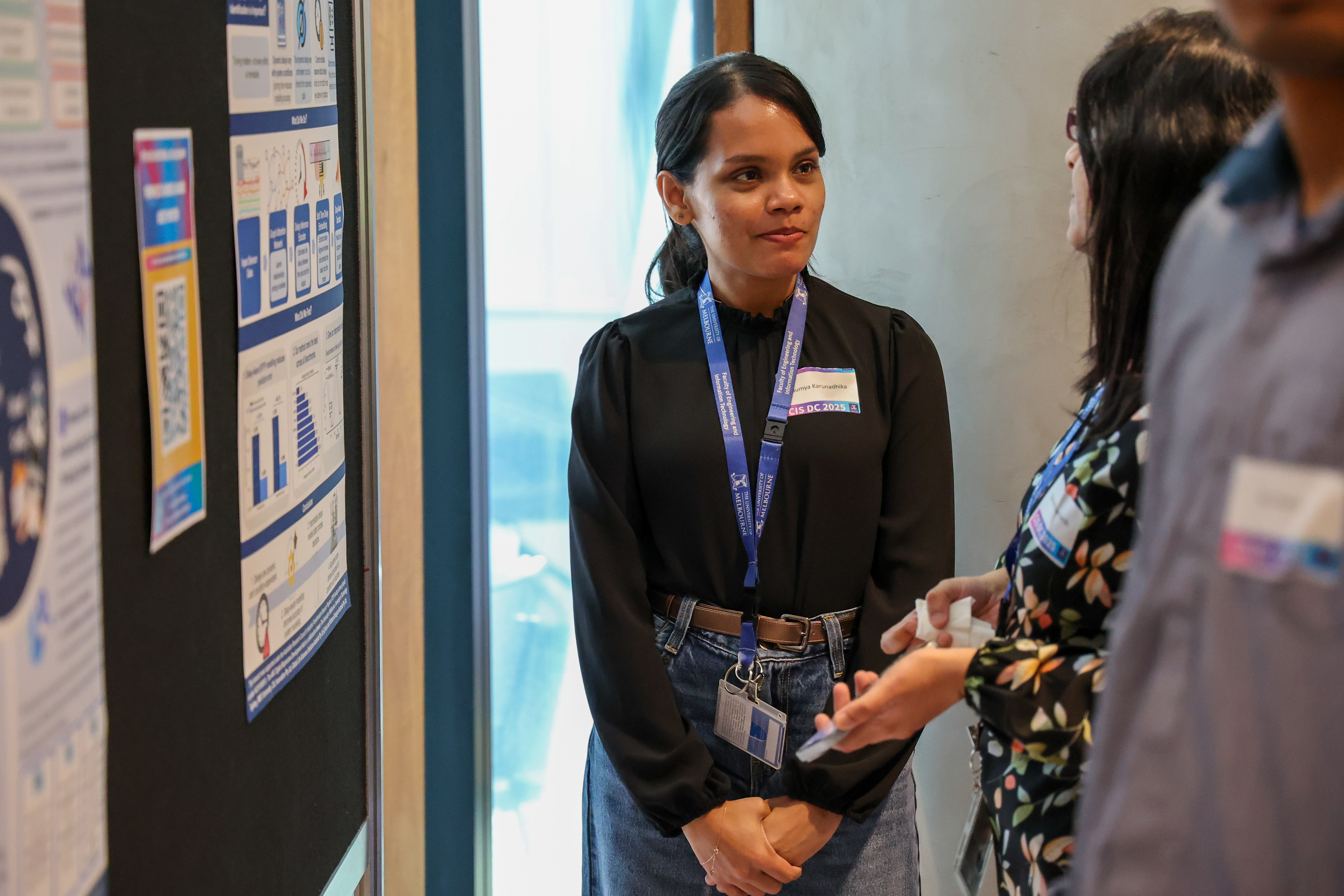
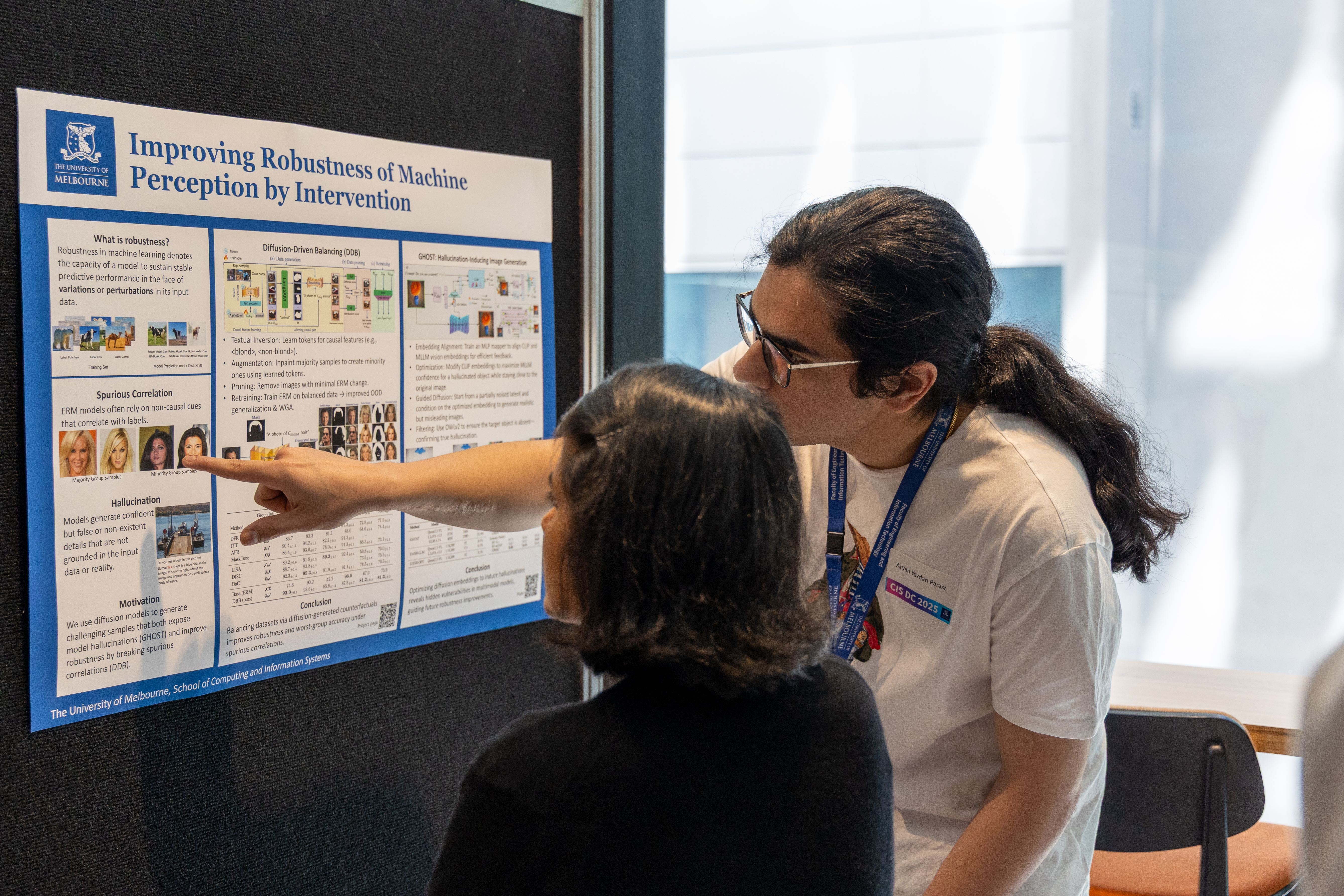
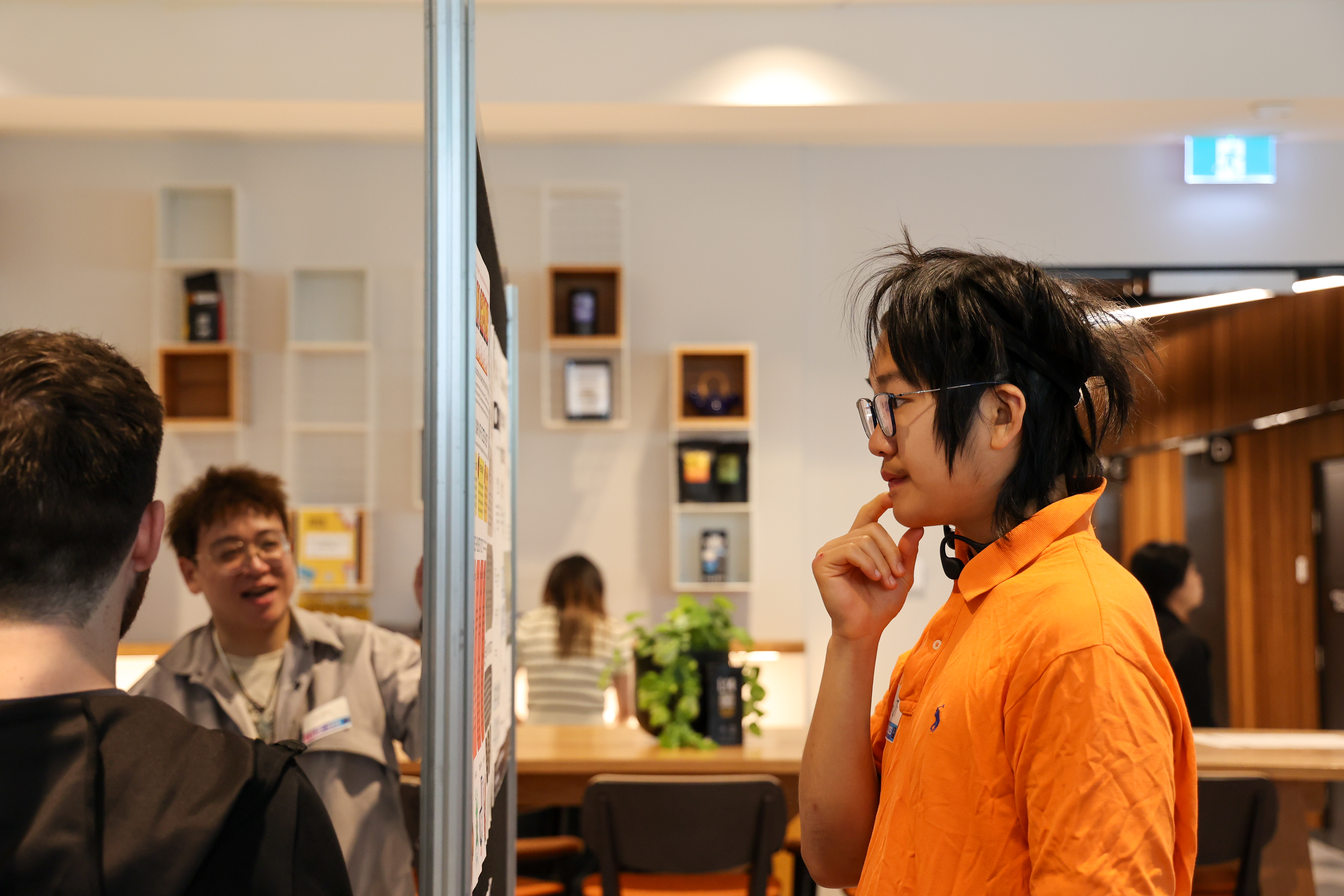
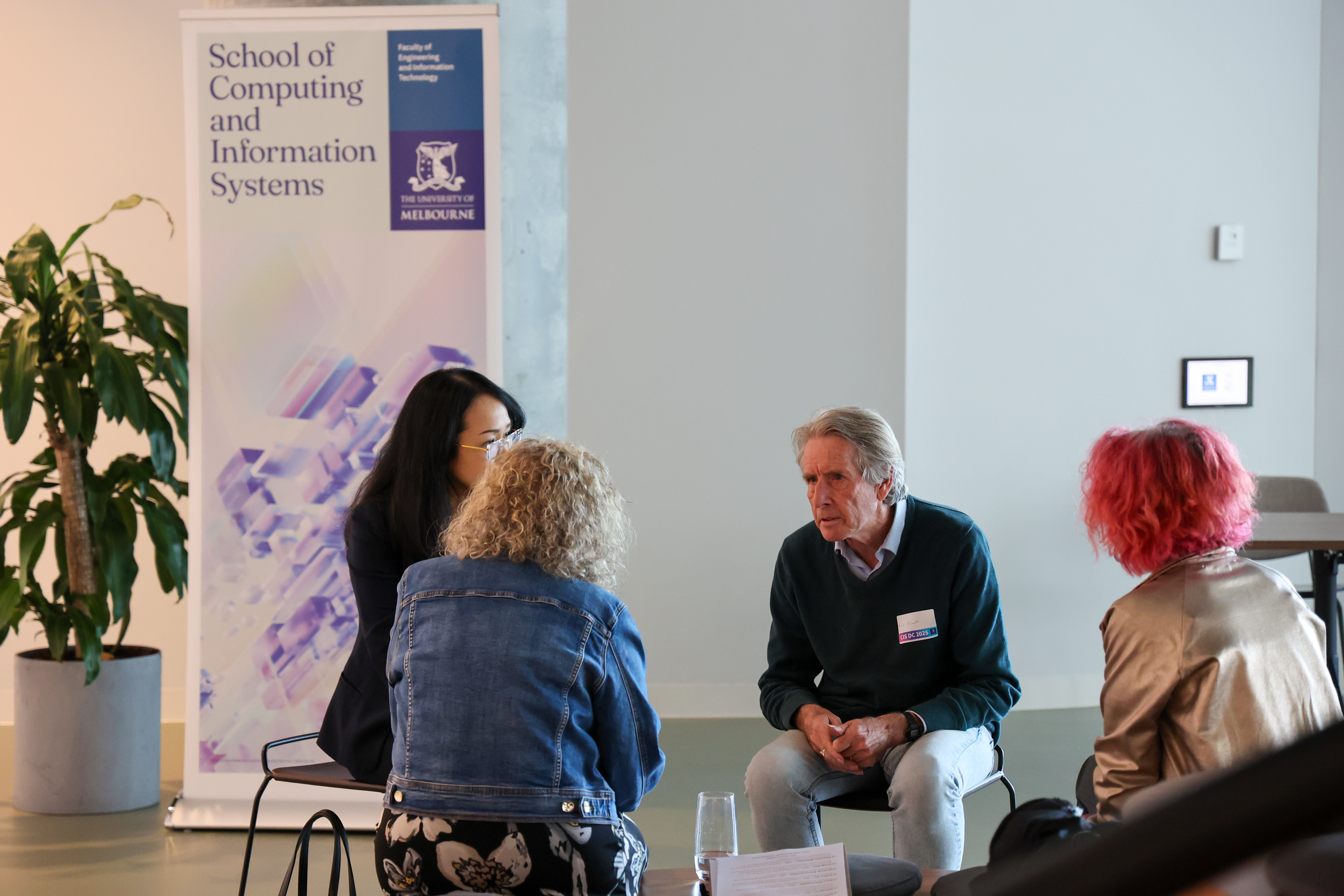
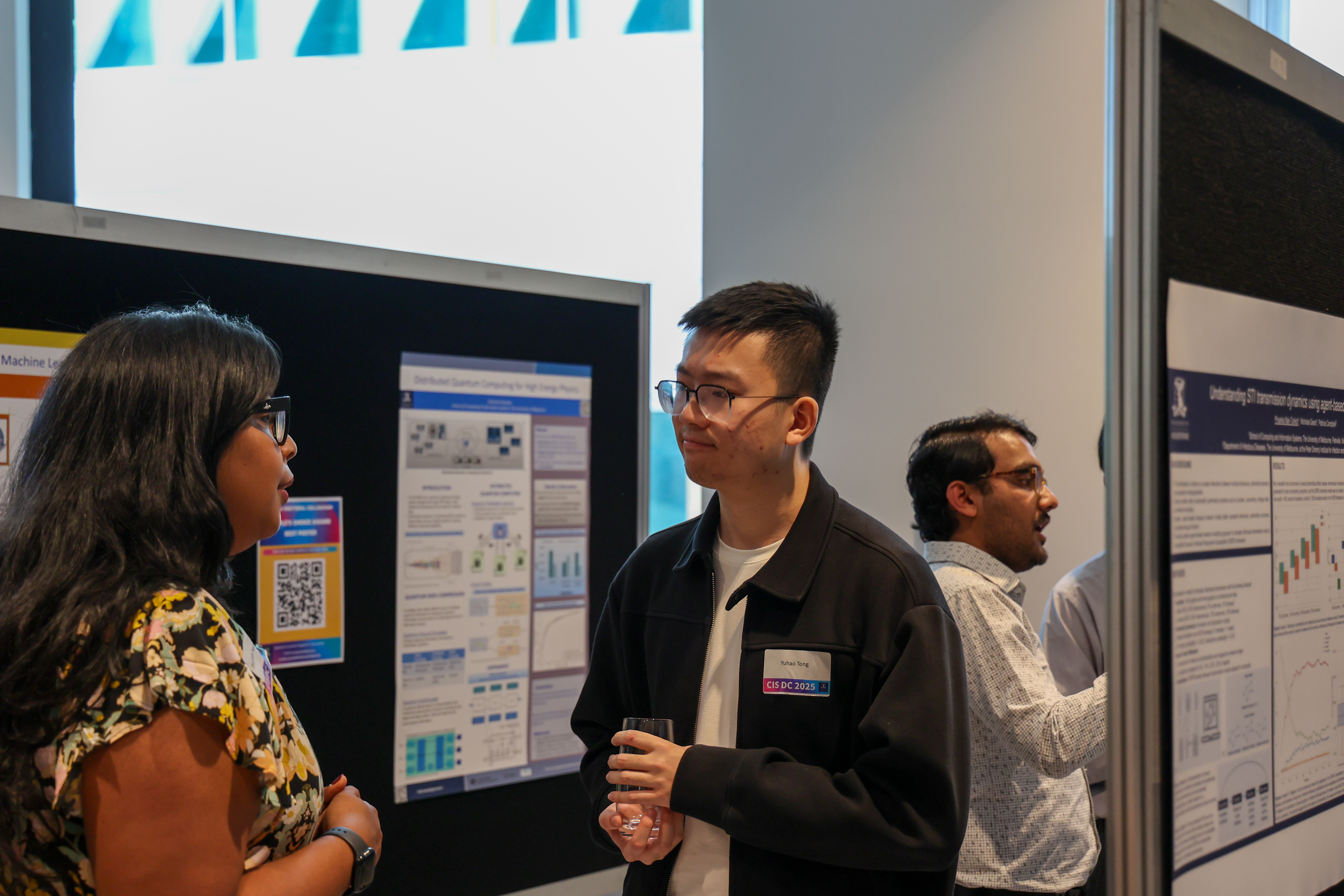
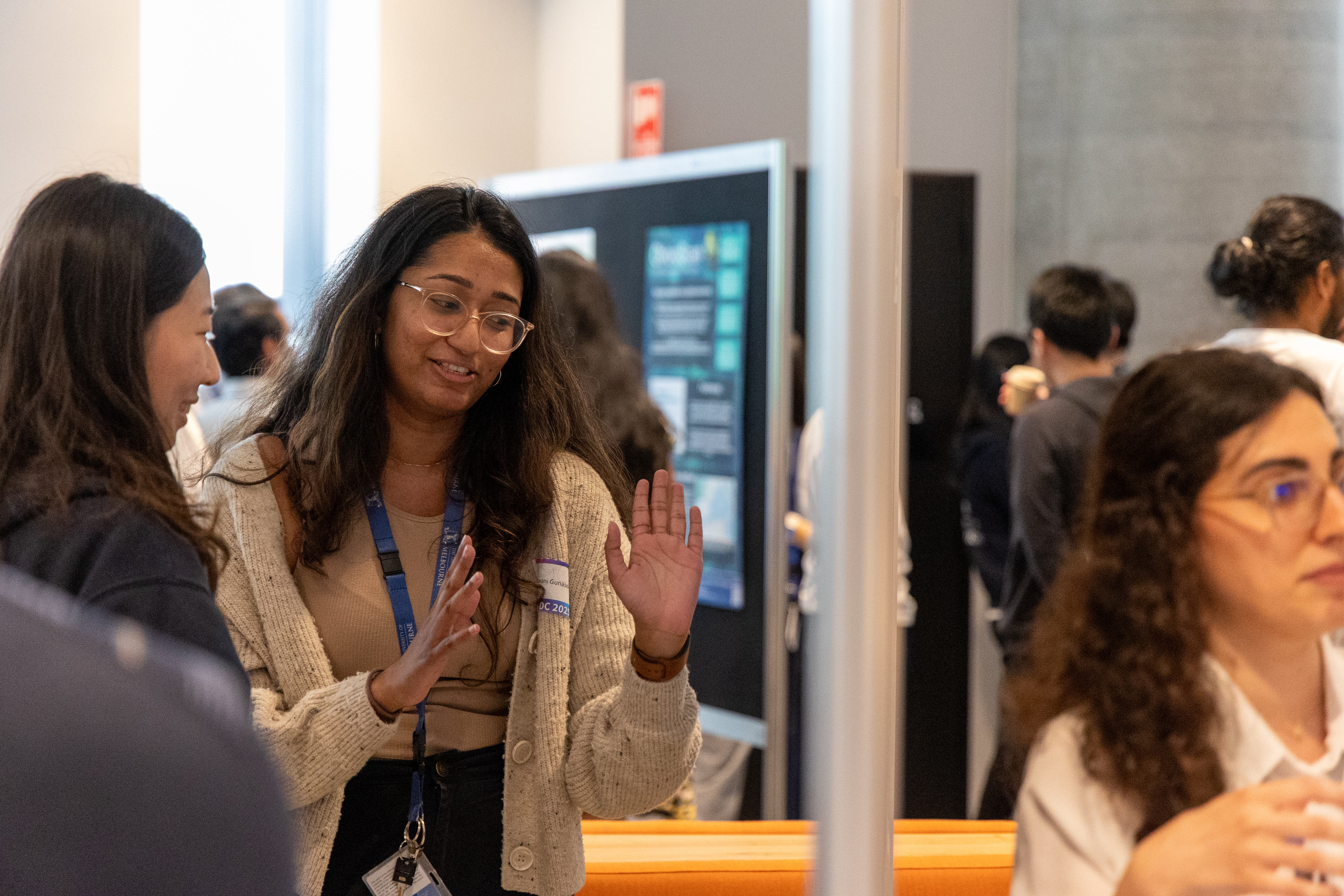
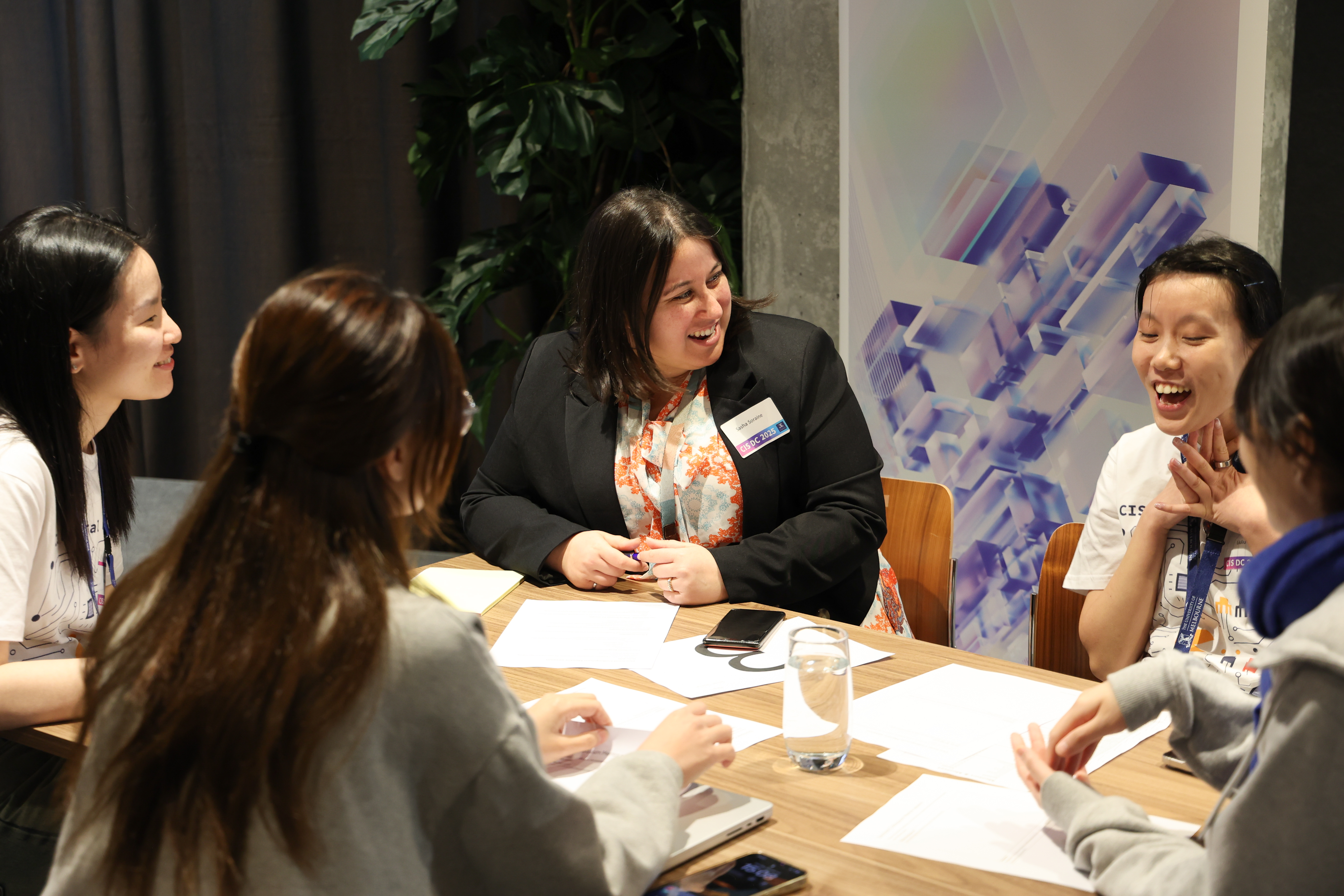
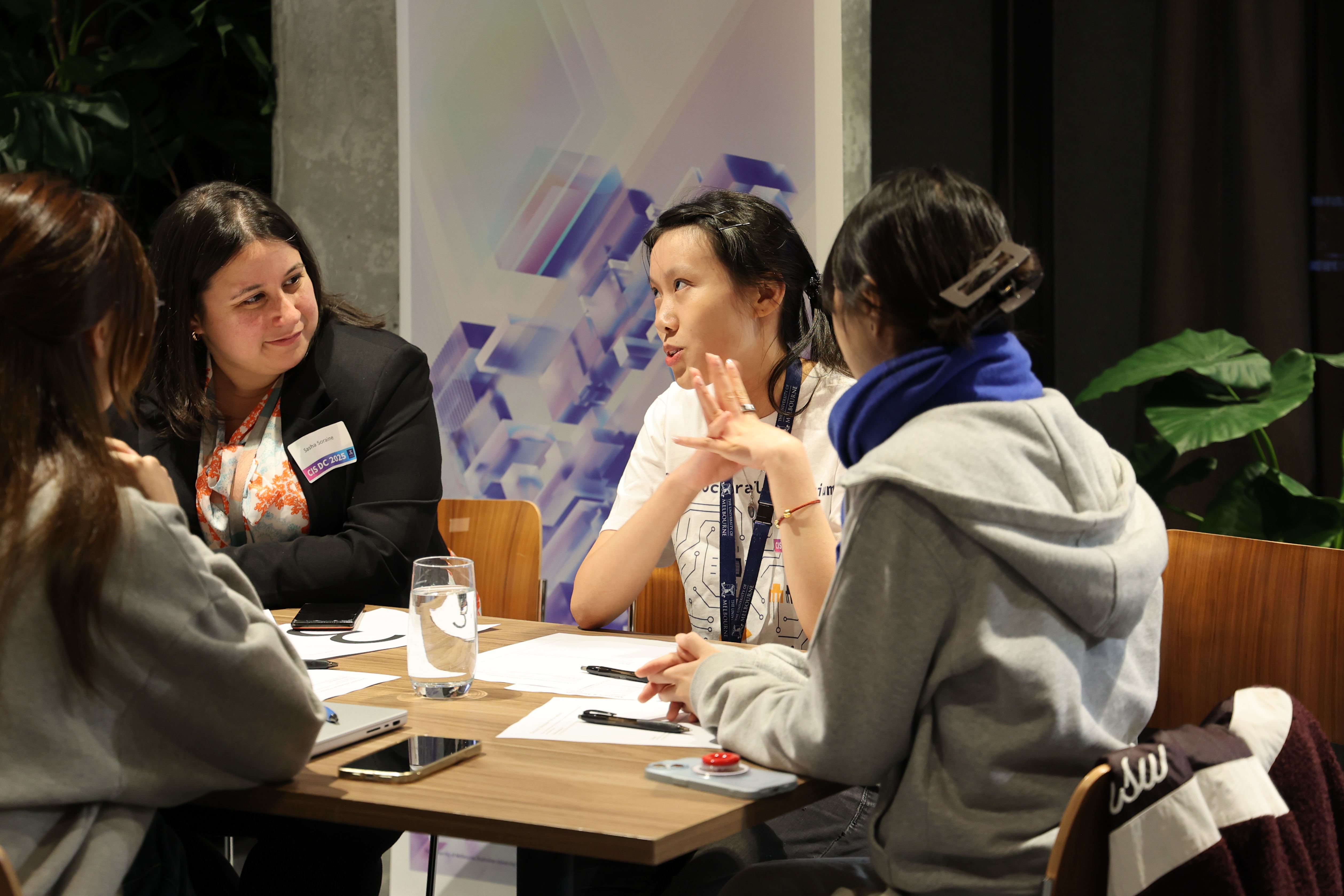
This event is an opportunity for CIS graduate researchers to connect with each other and develop skills in a supportive environment and receive feedback from a wide audience of peers and industry representatives.
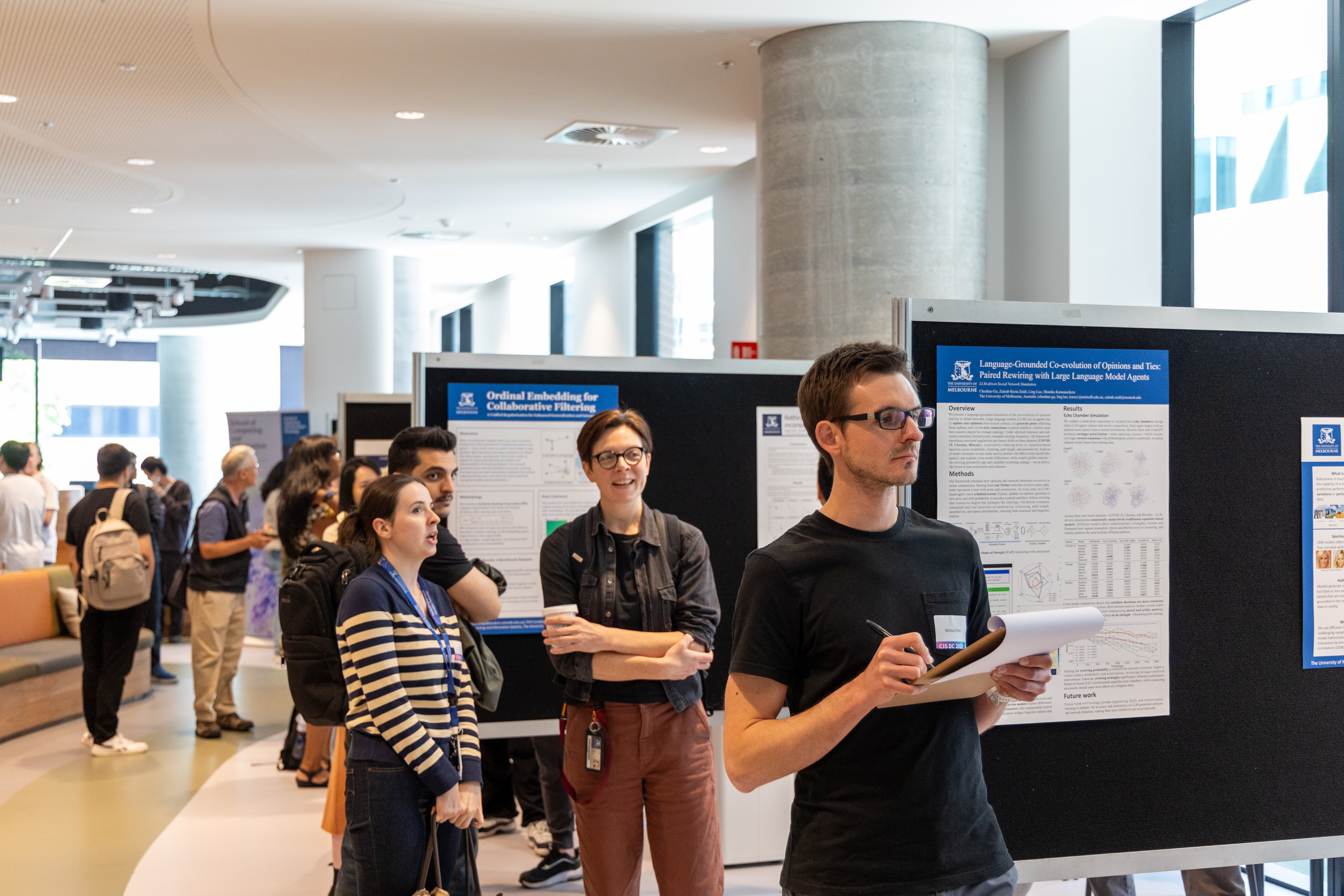
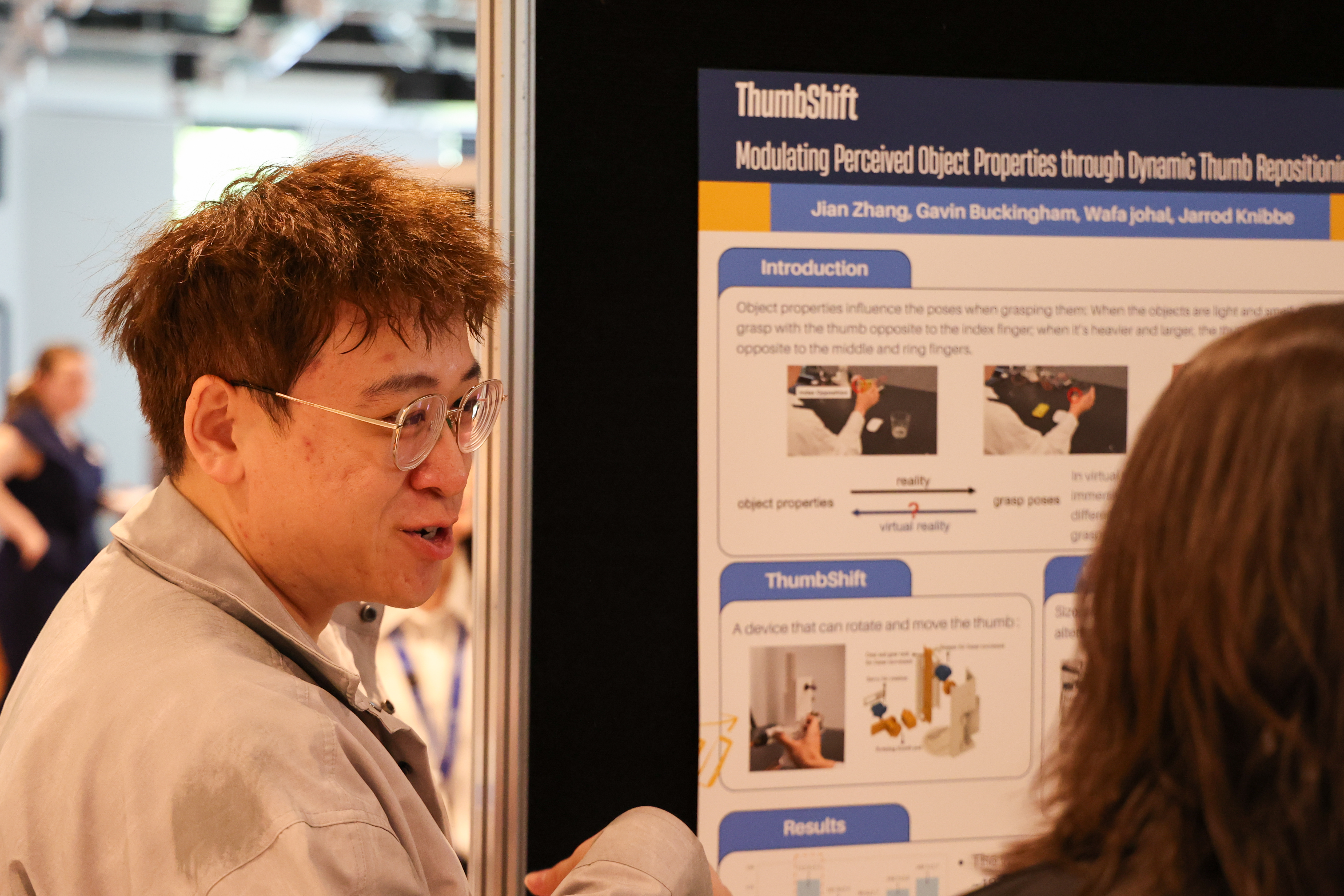
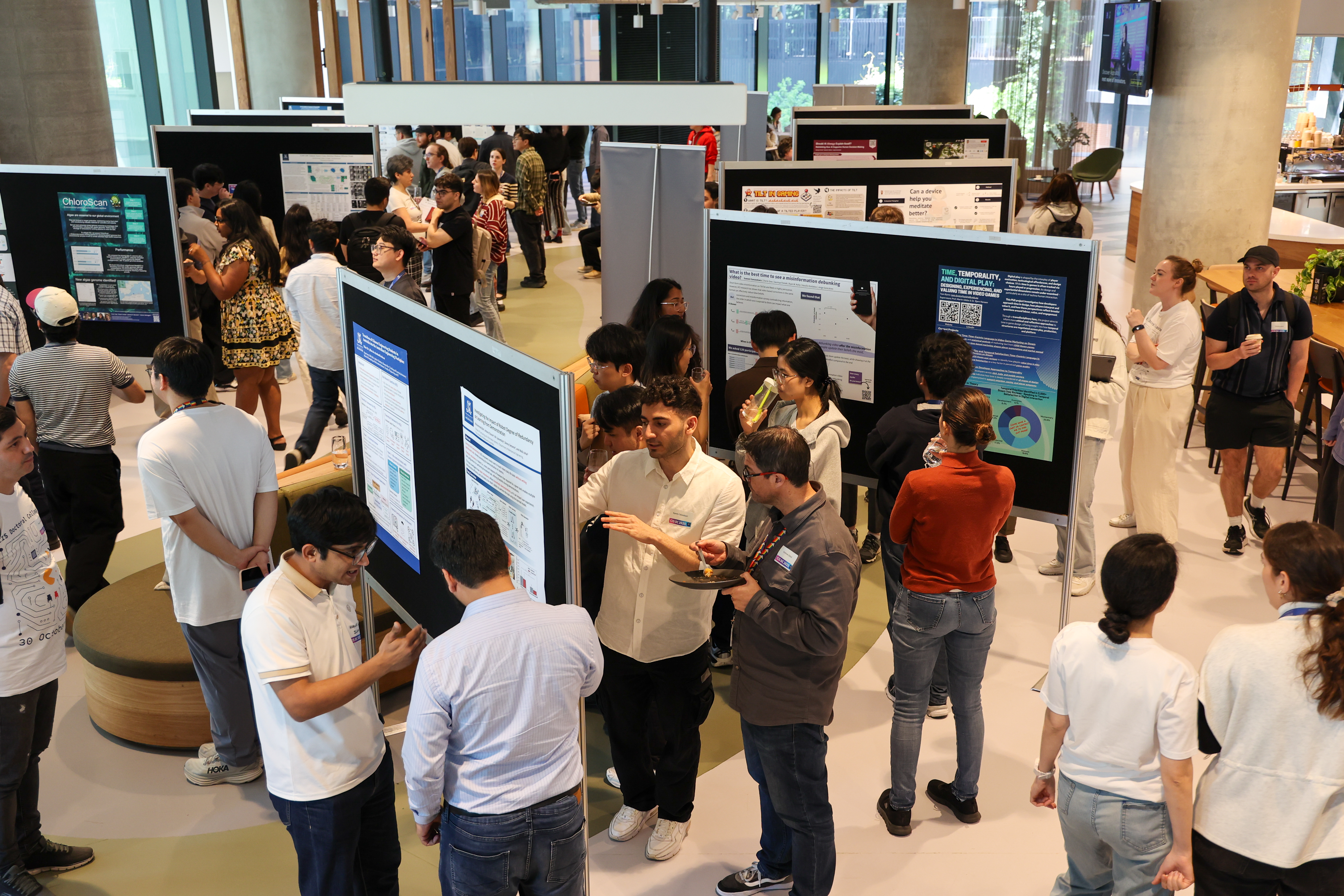
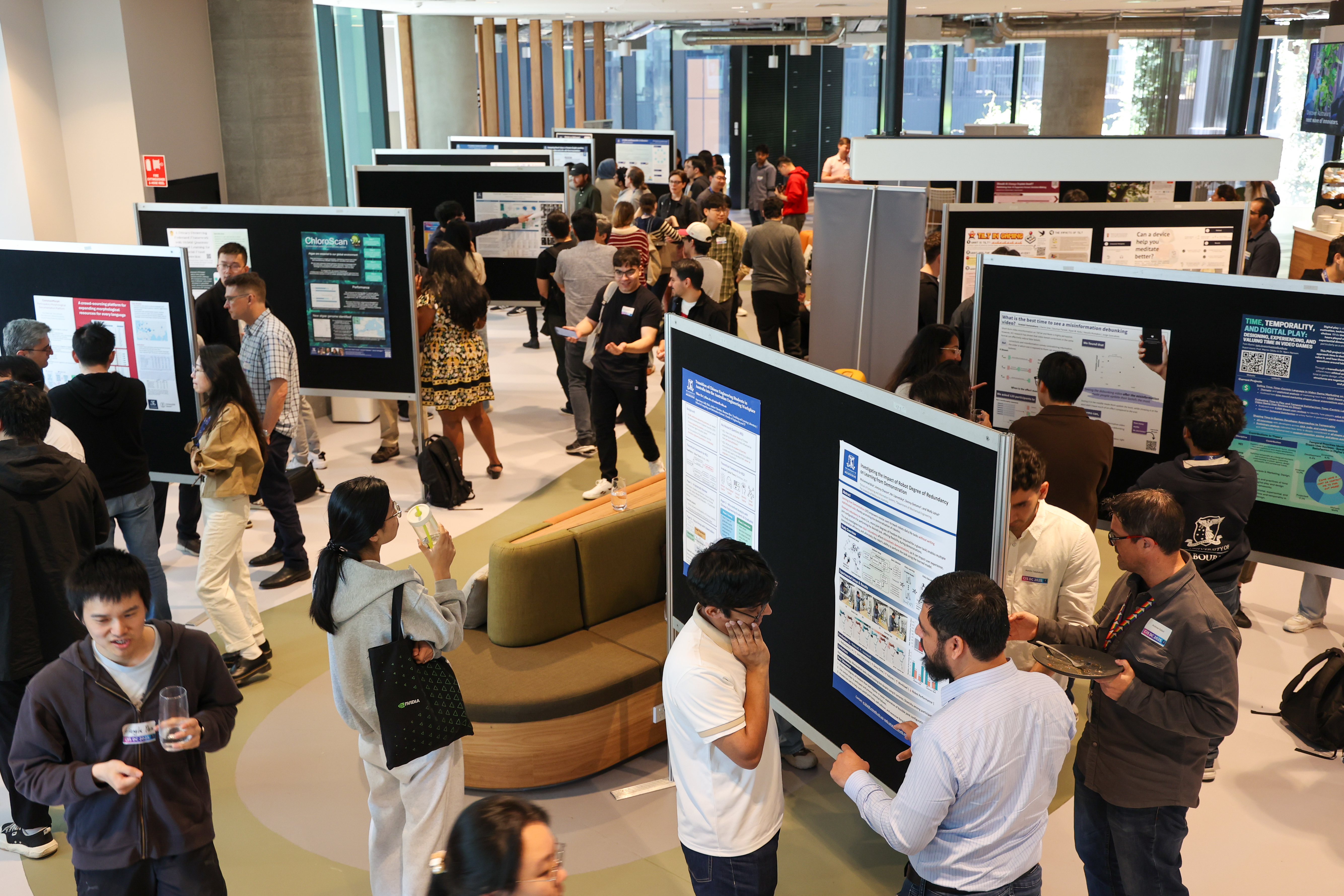
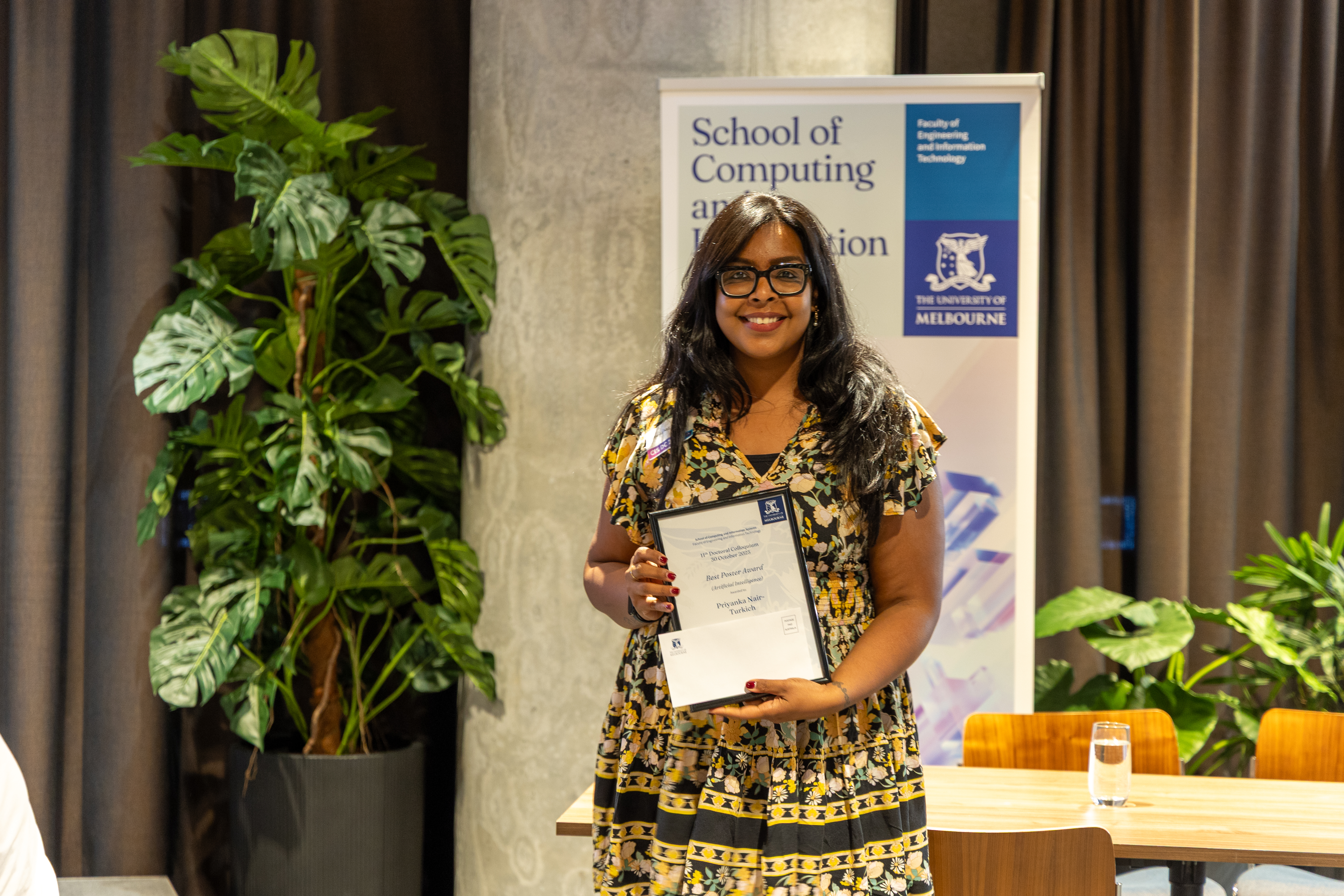
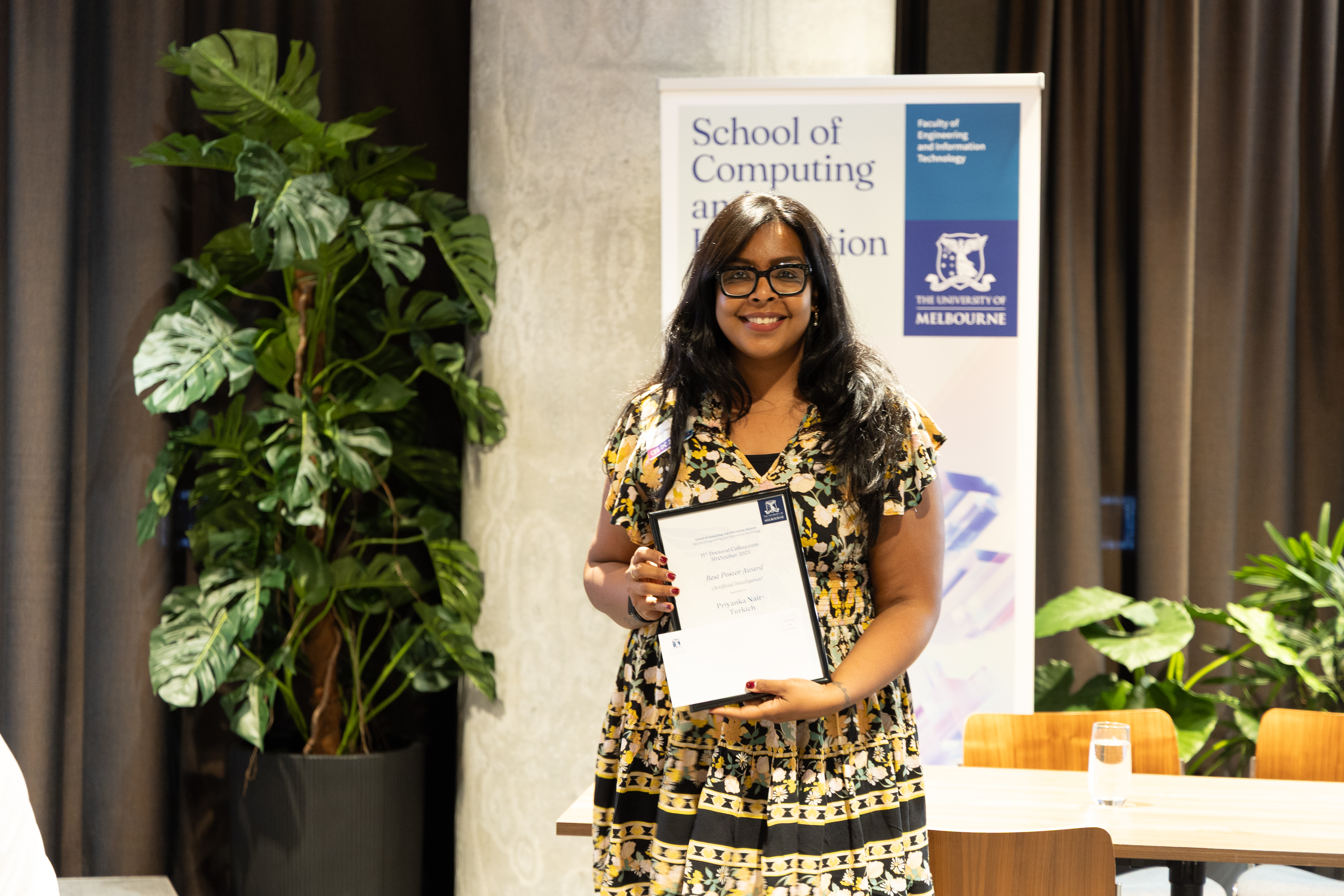
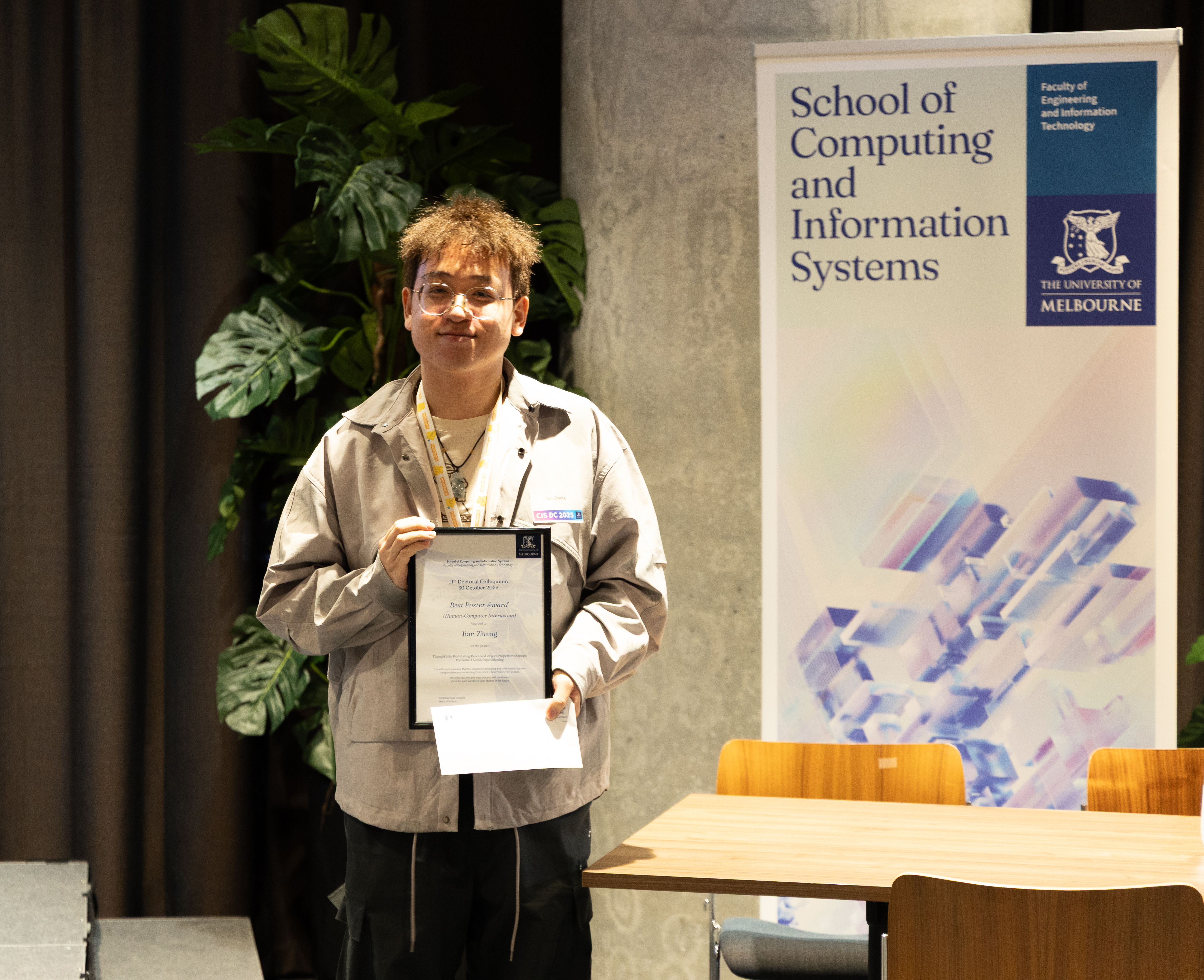
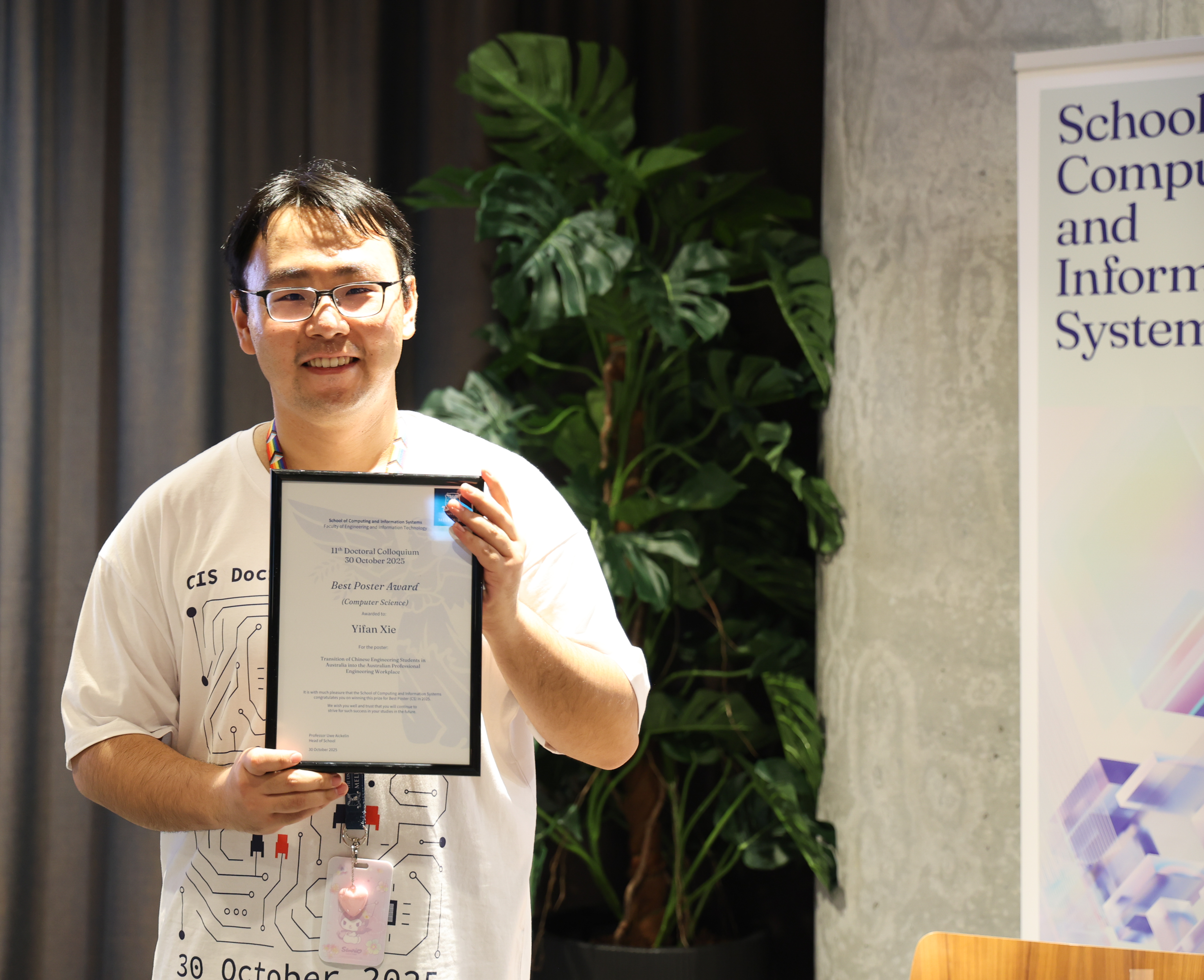
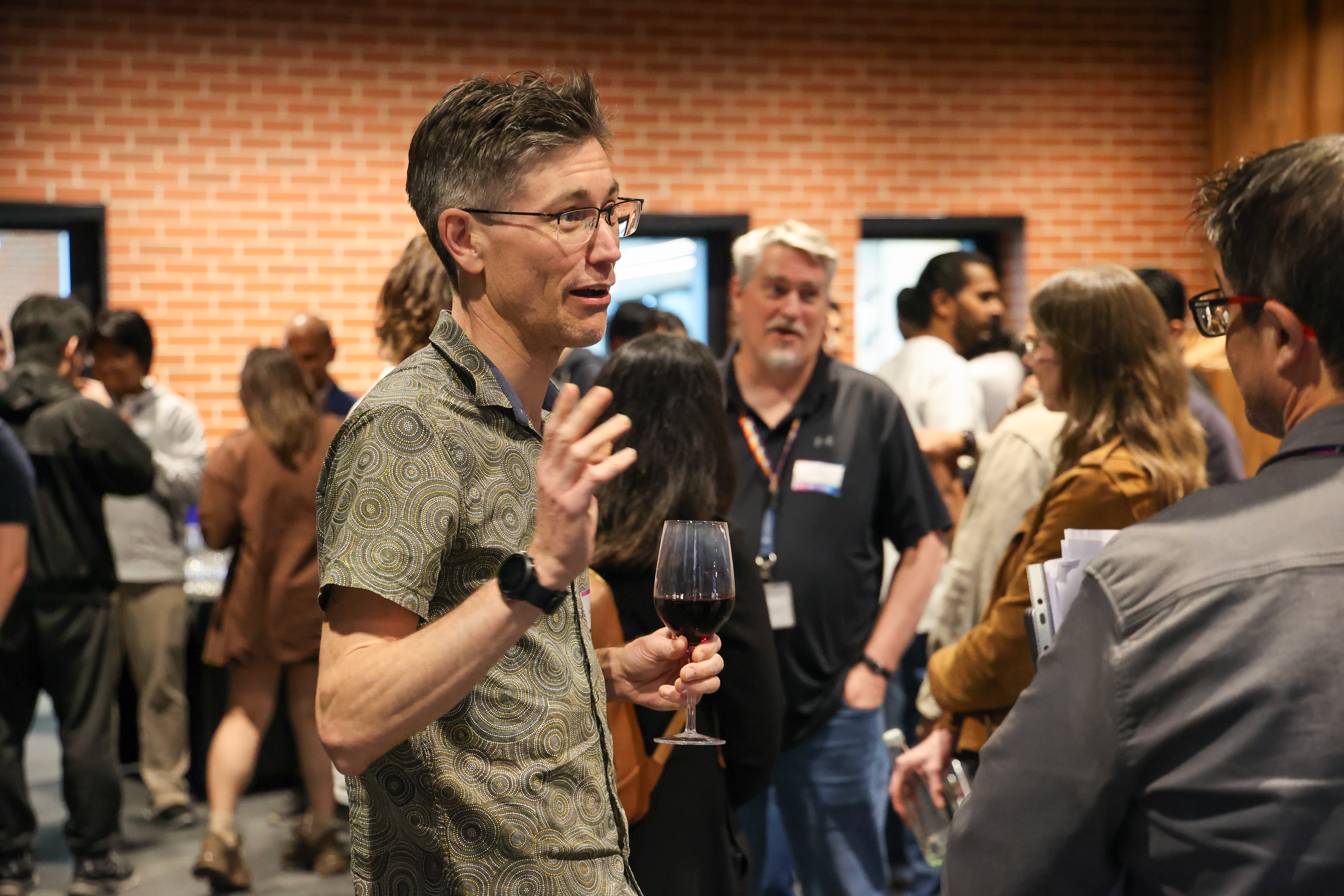
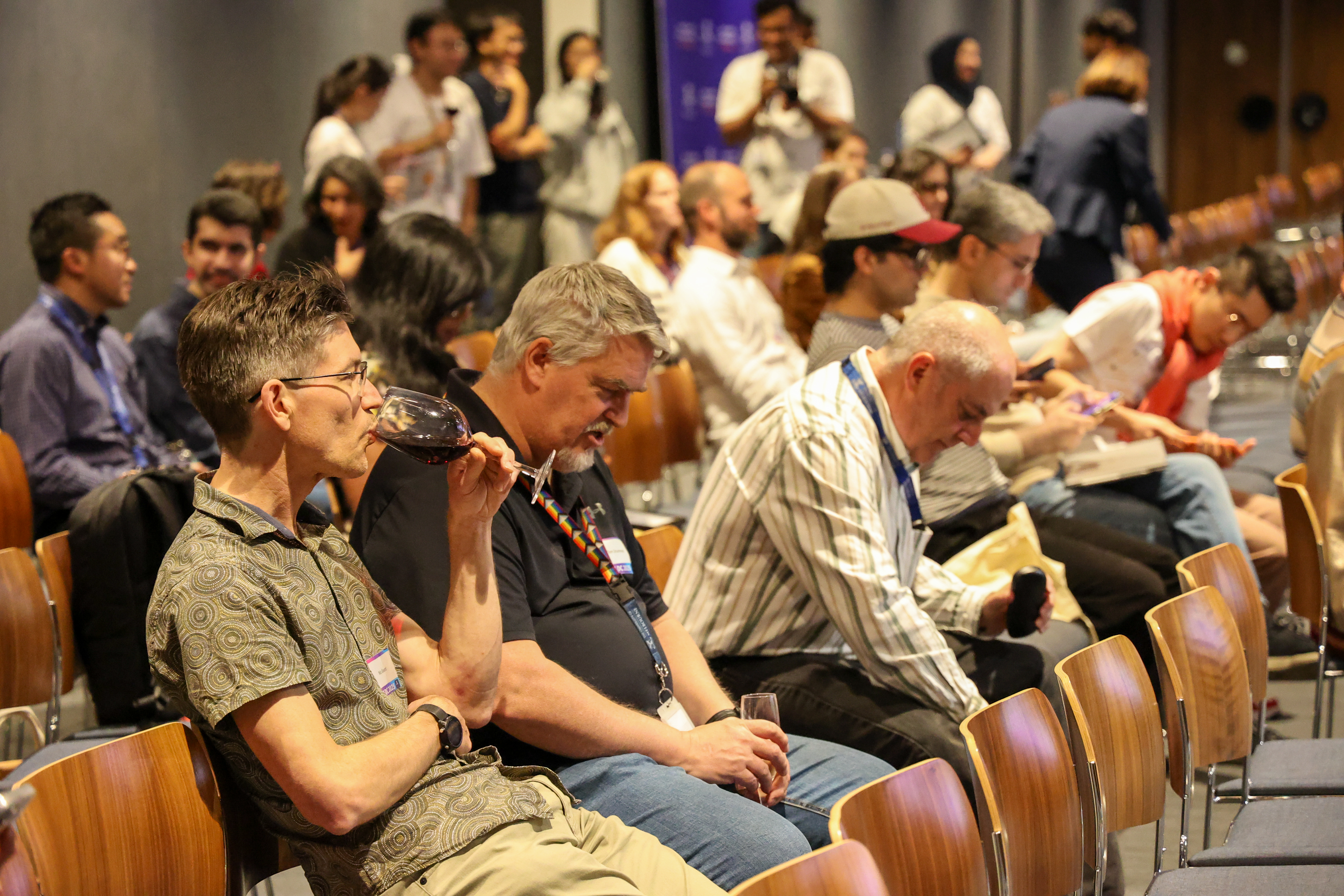
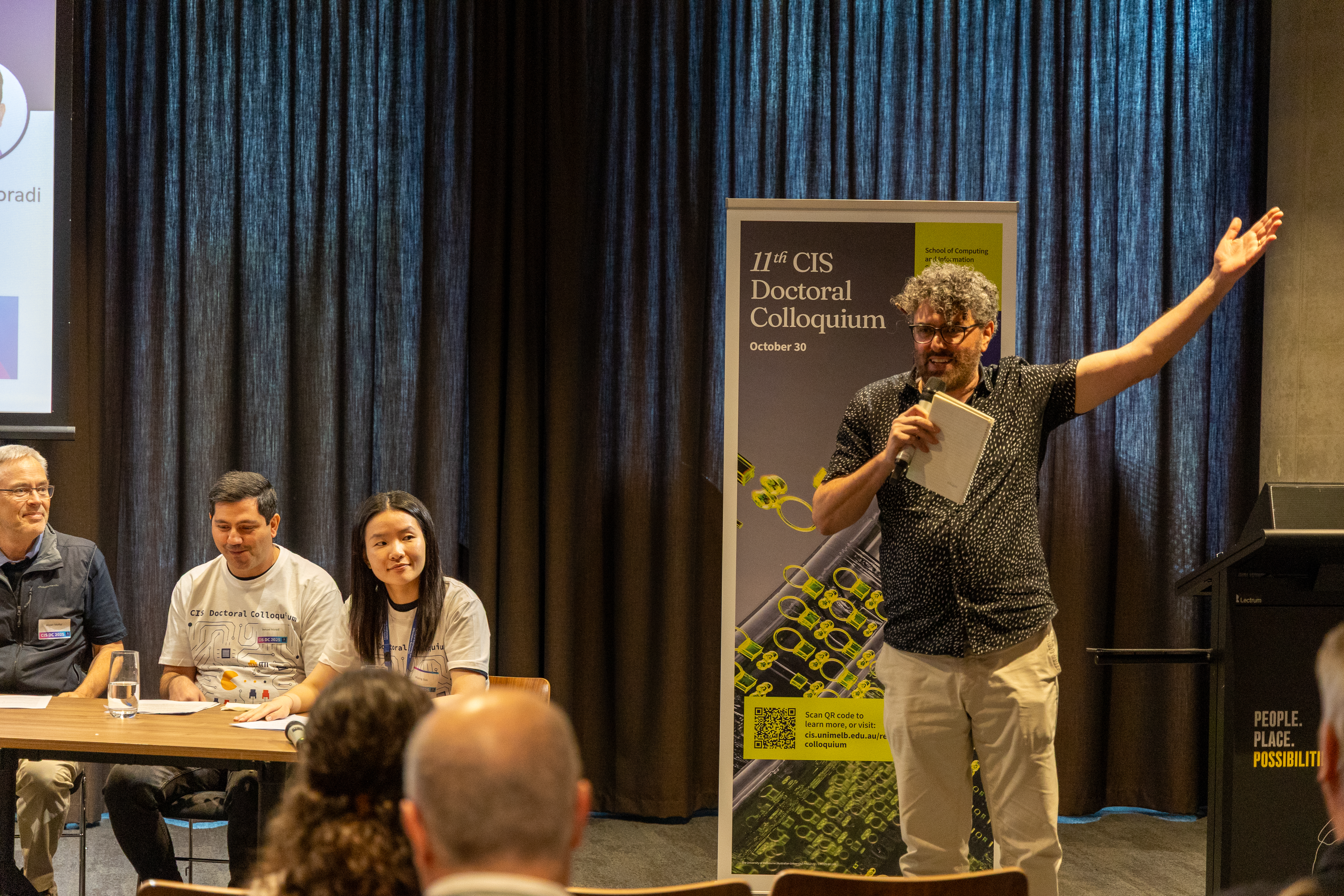
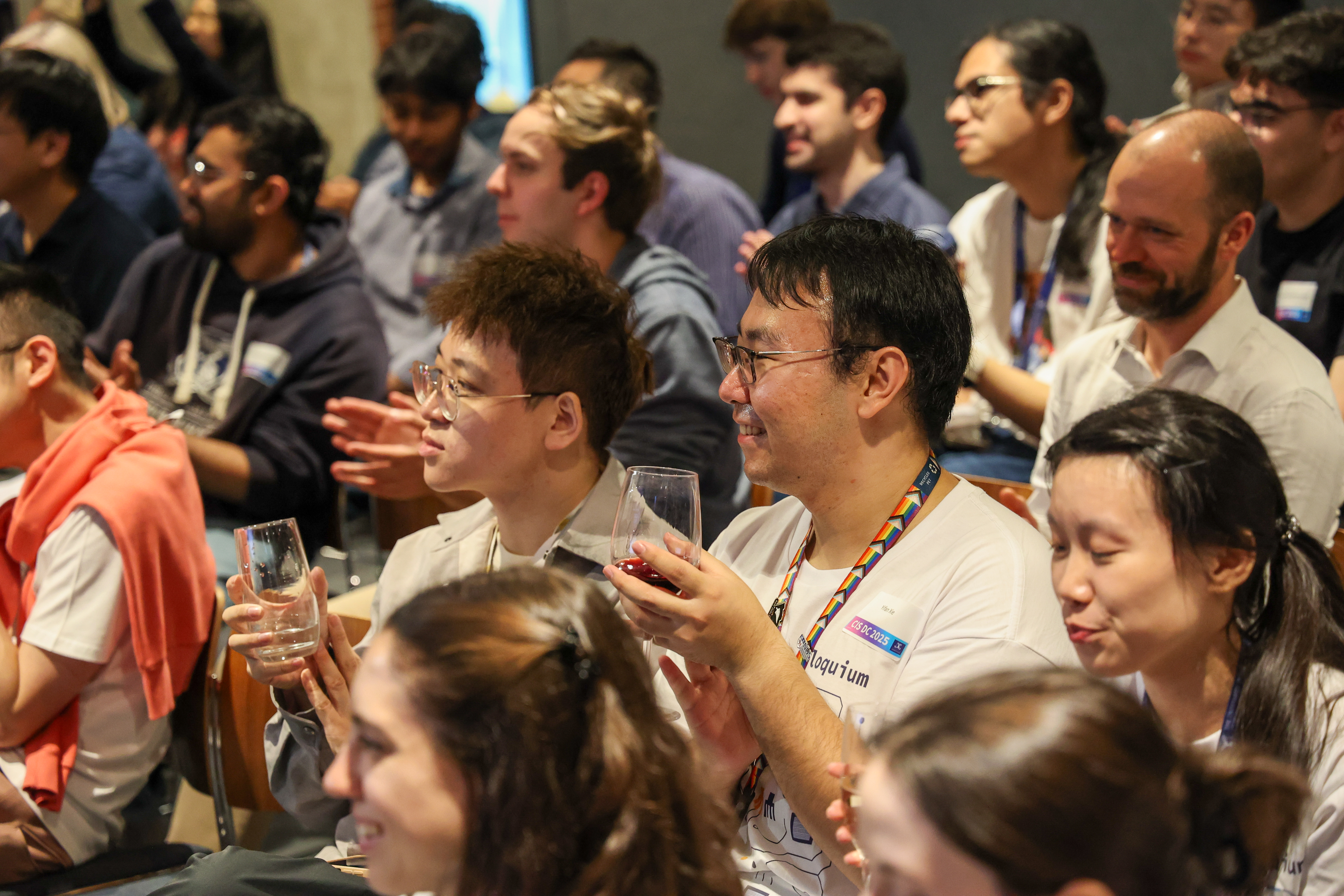
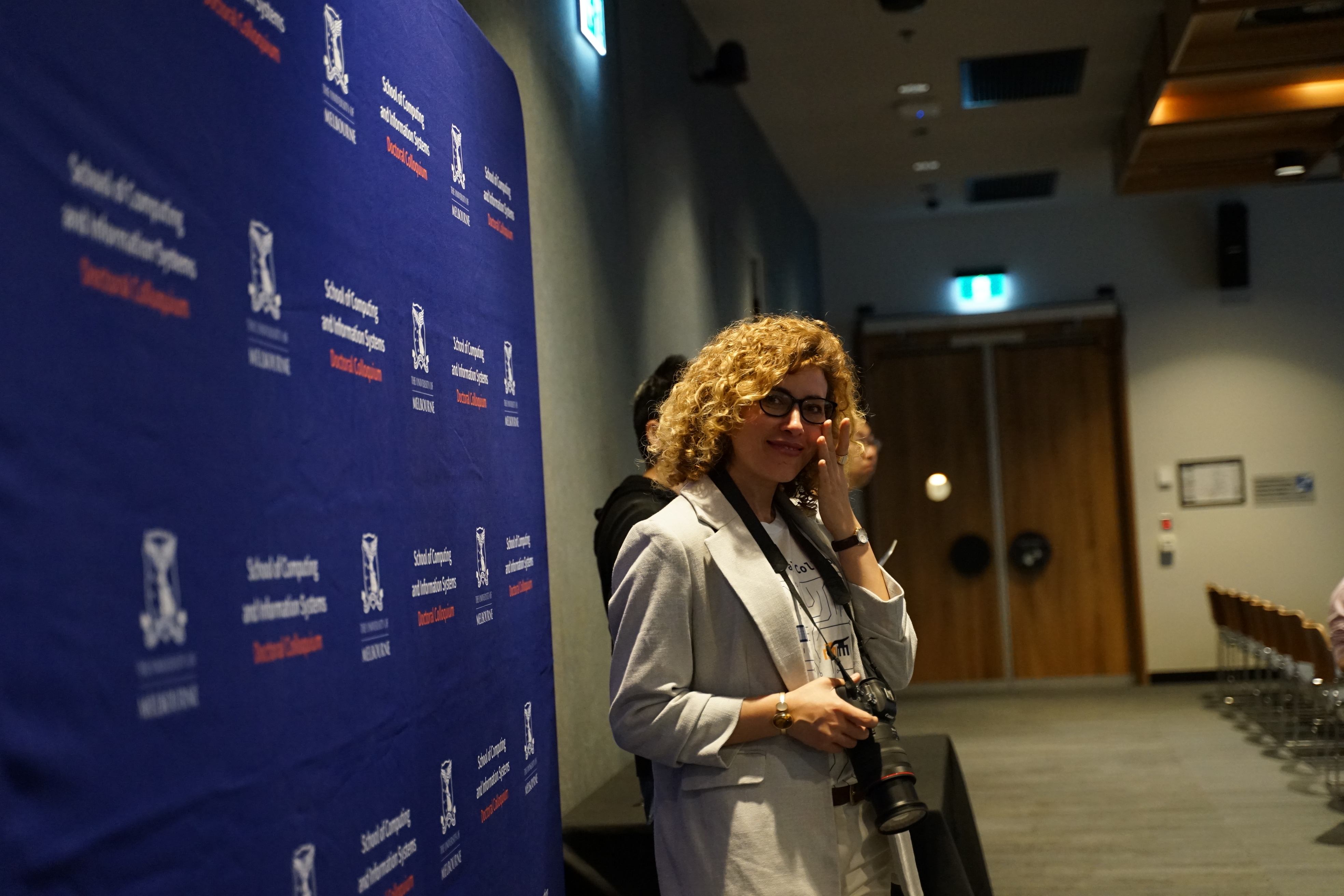
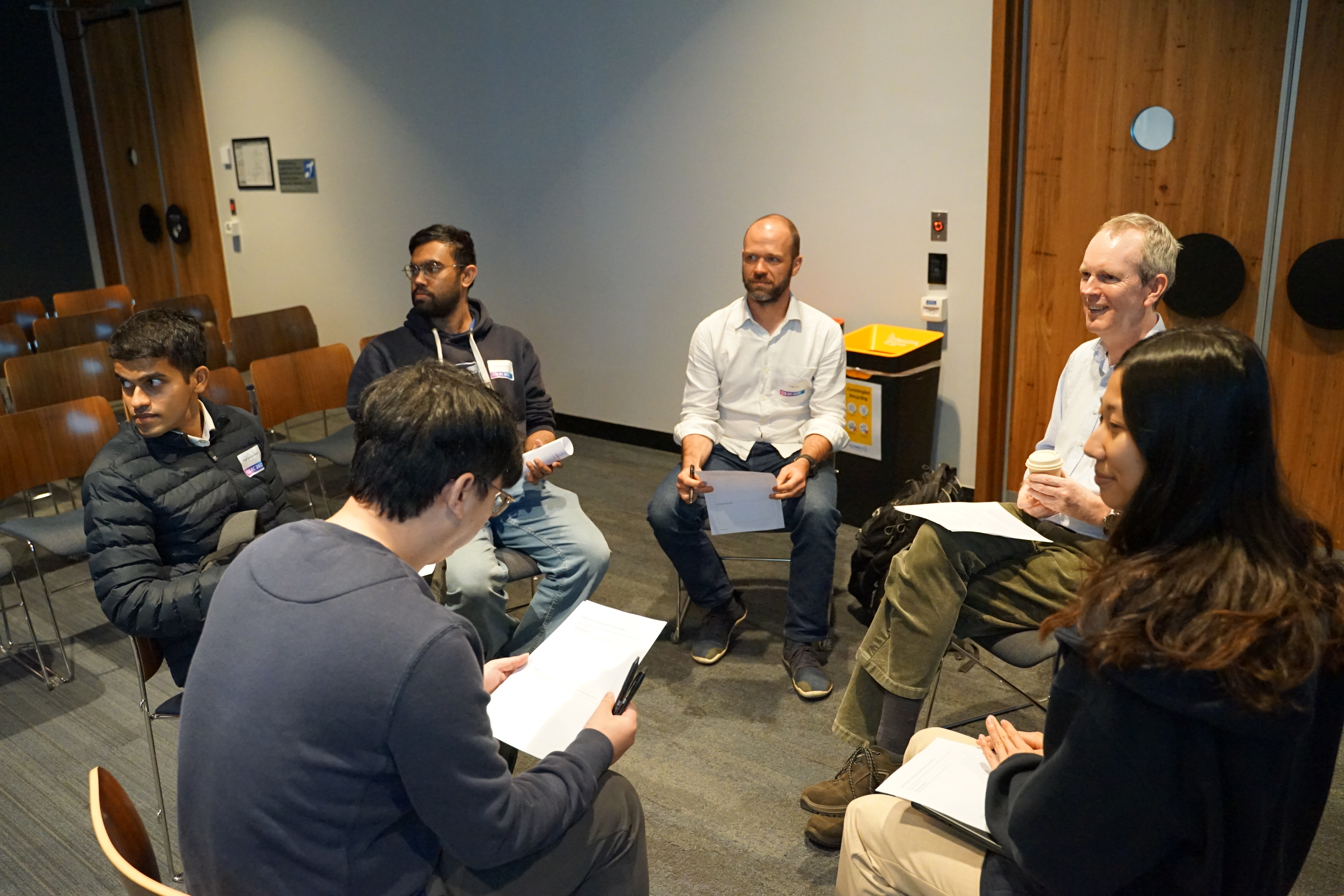
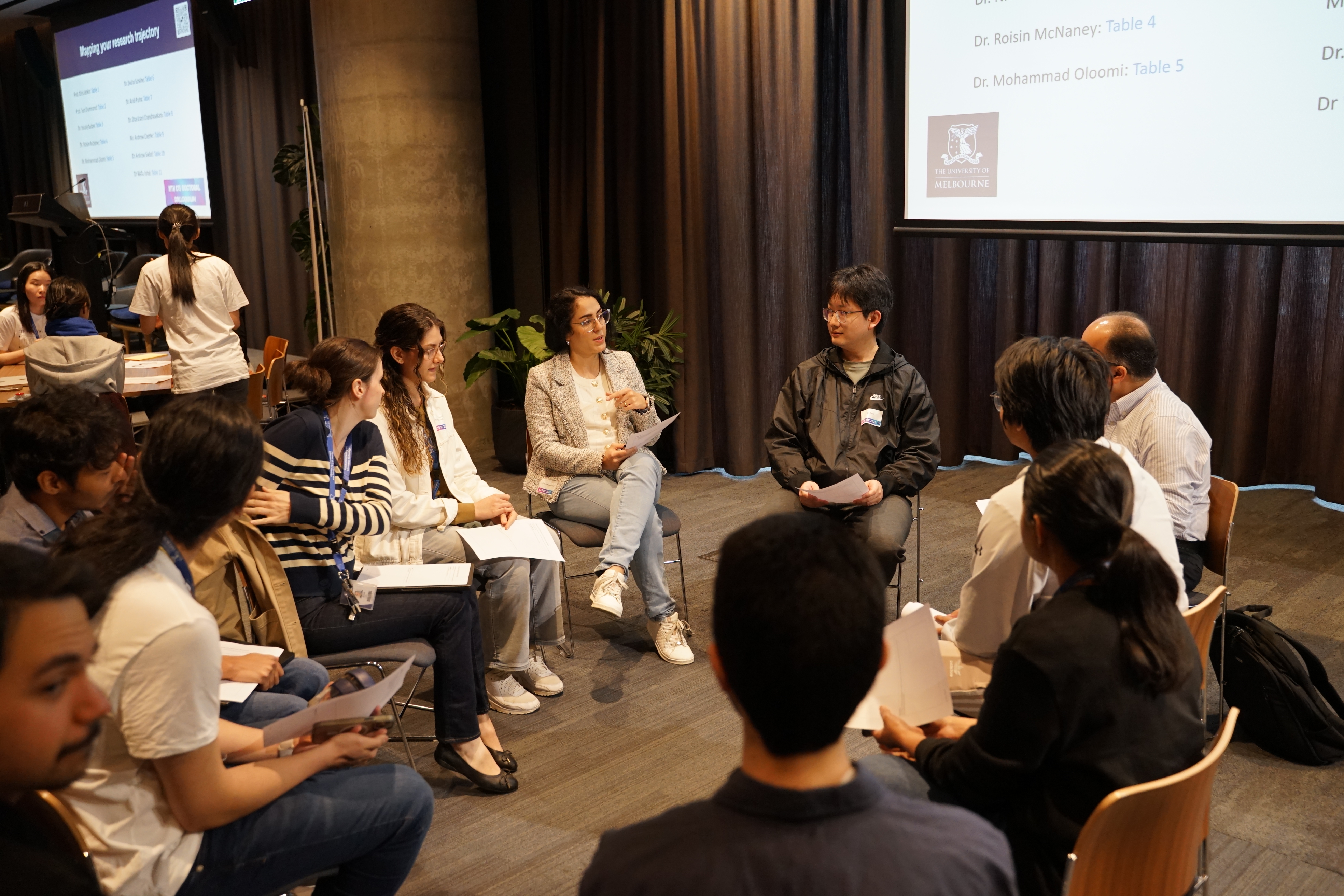
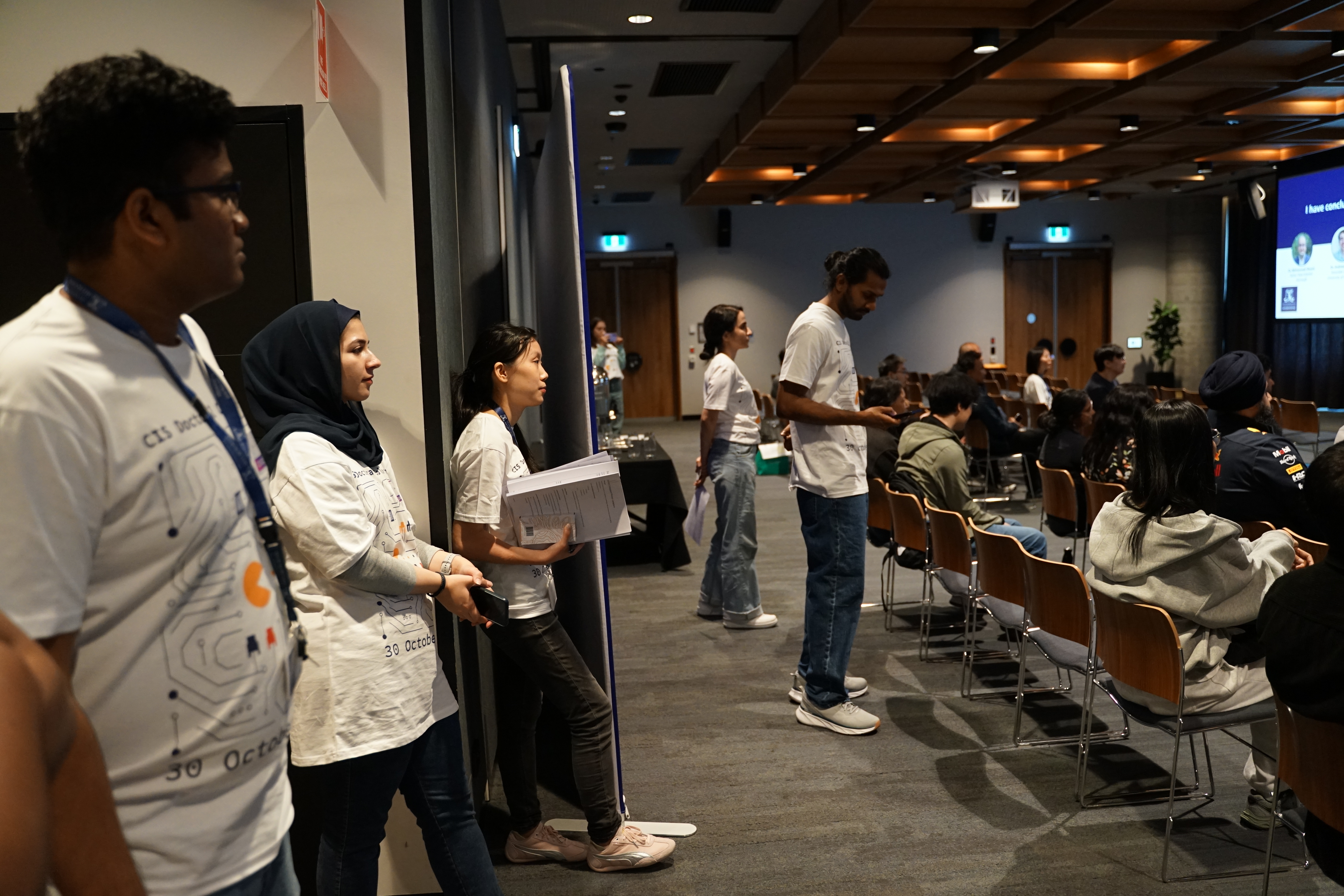
Event Photos
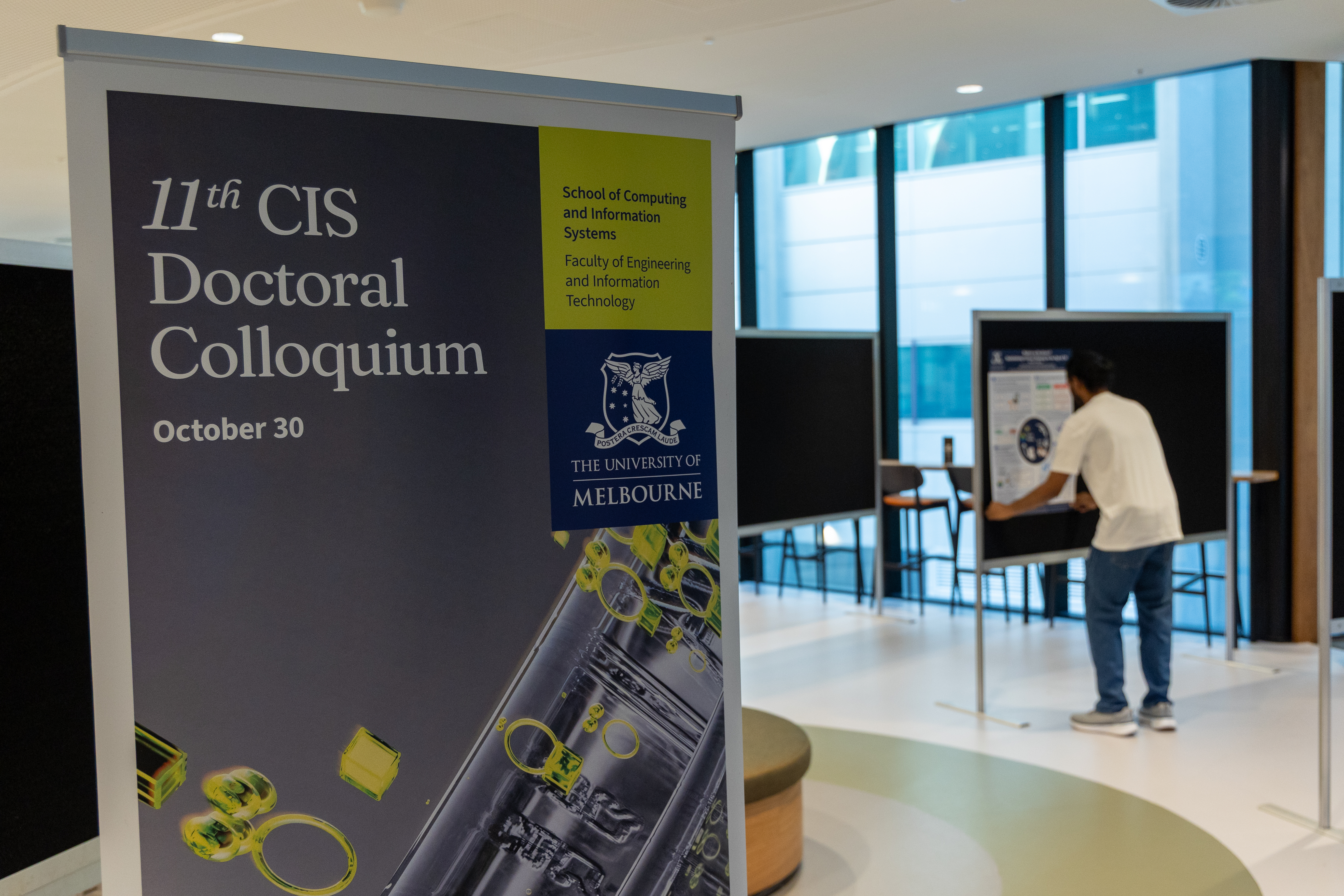

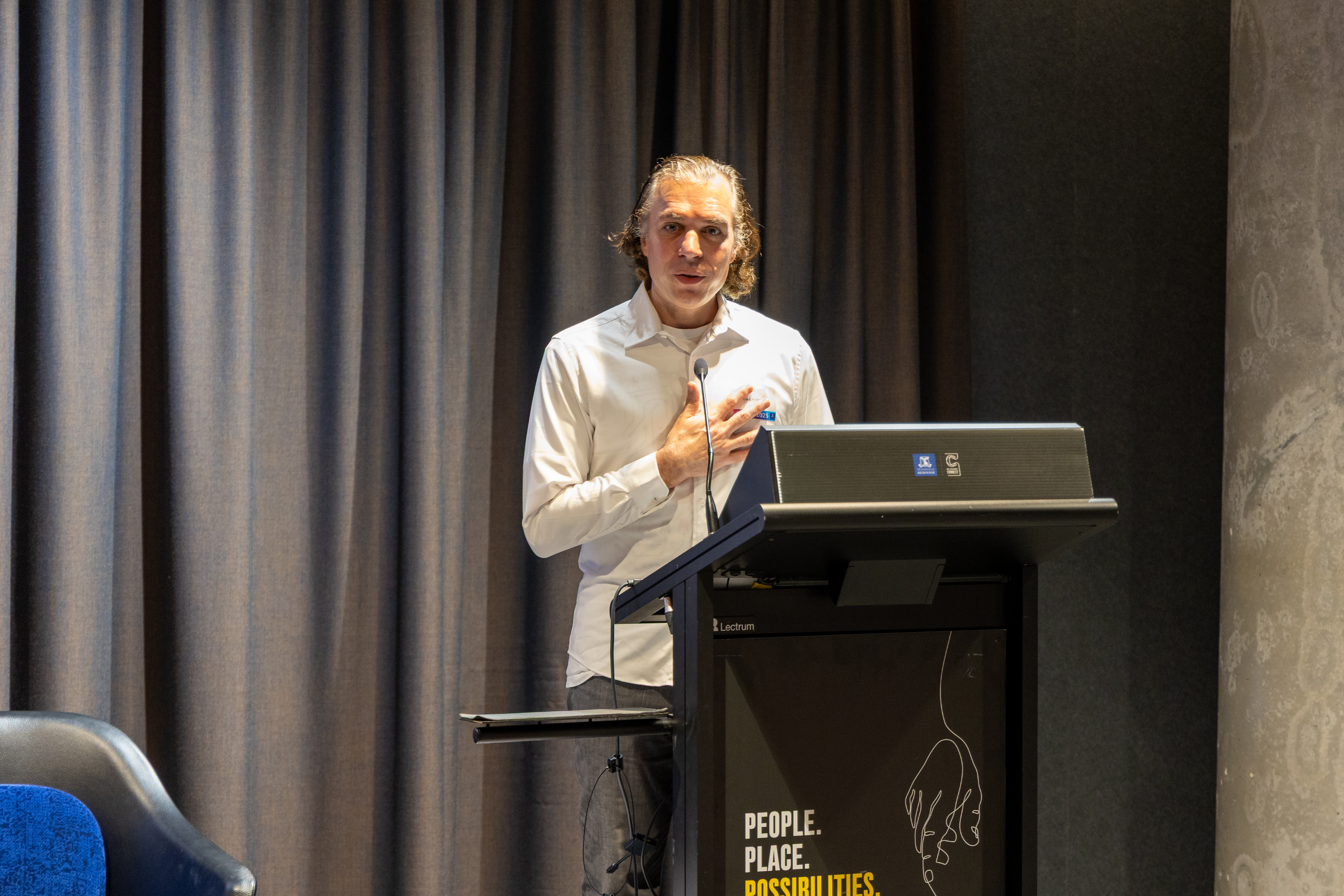
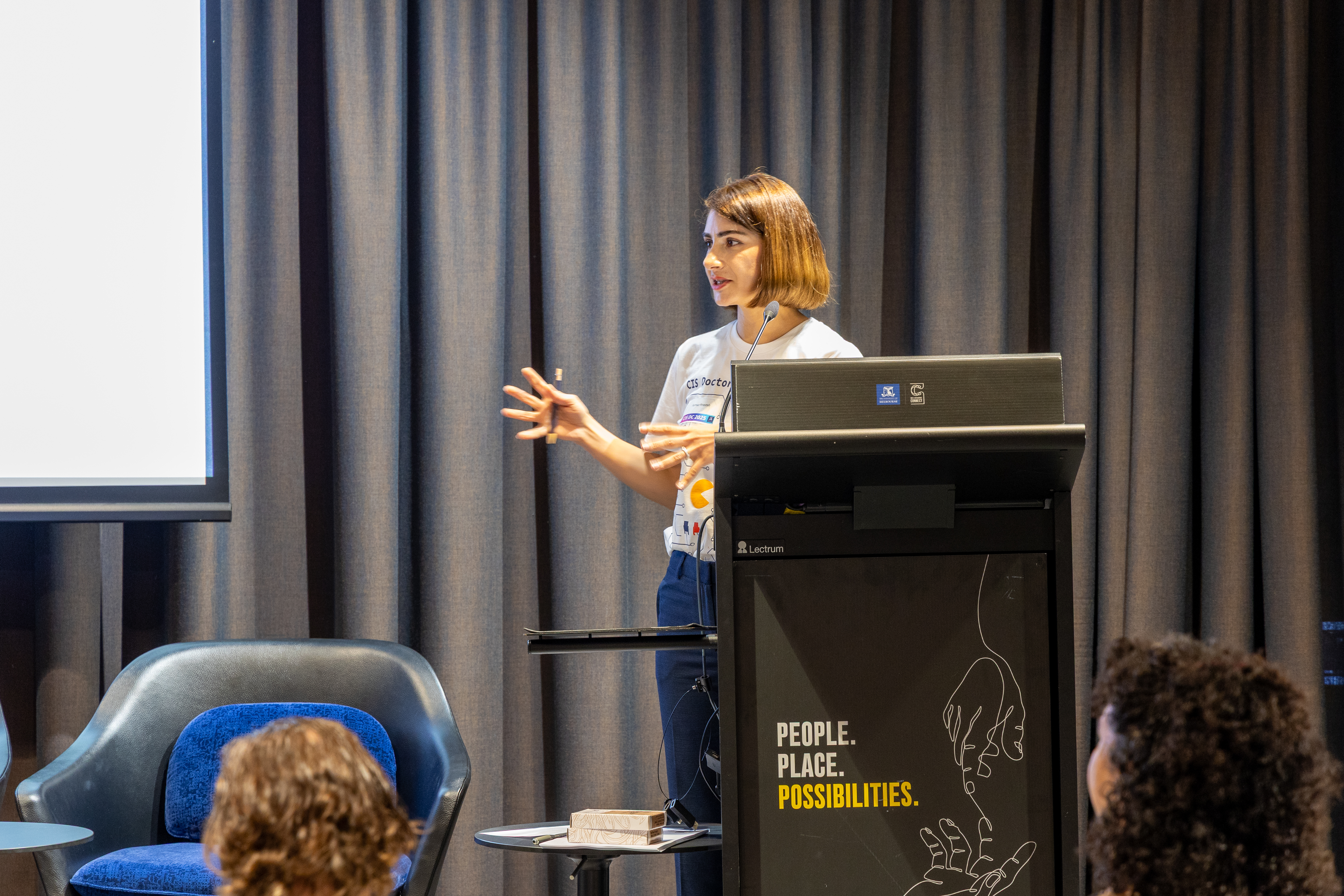
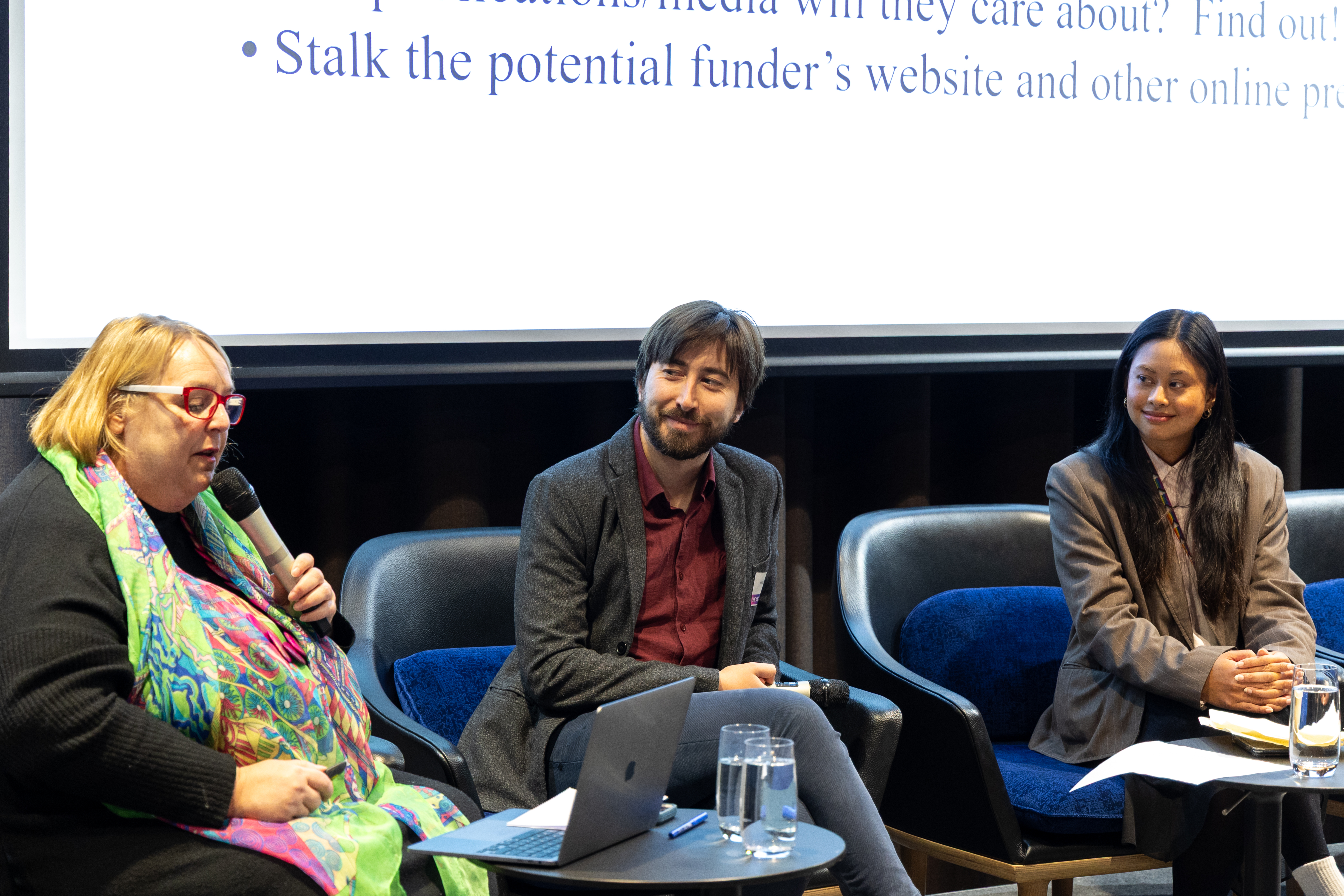
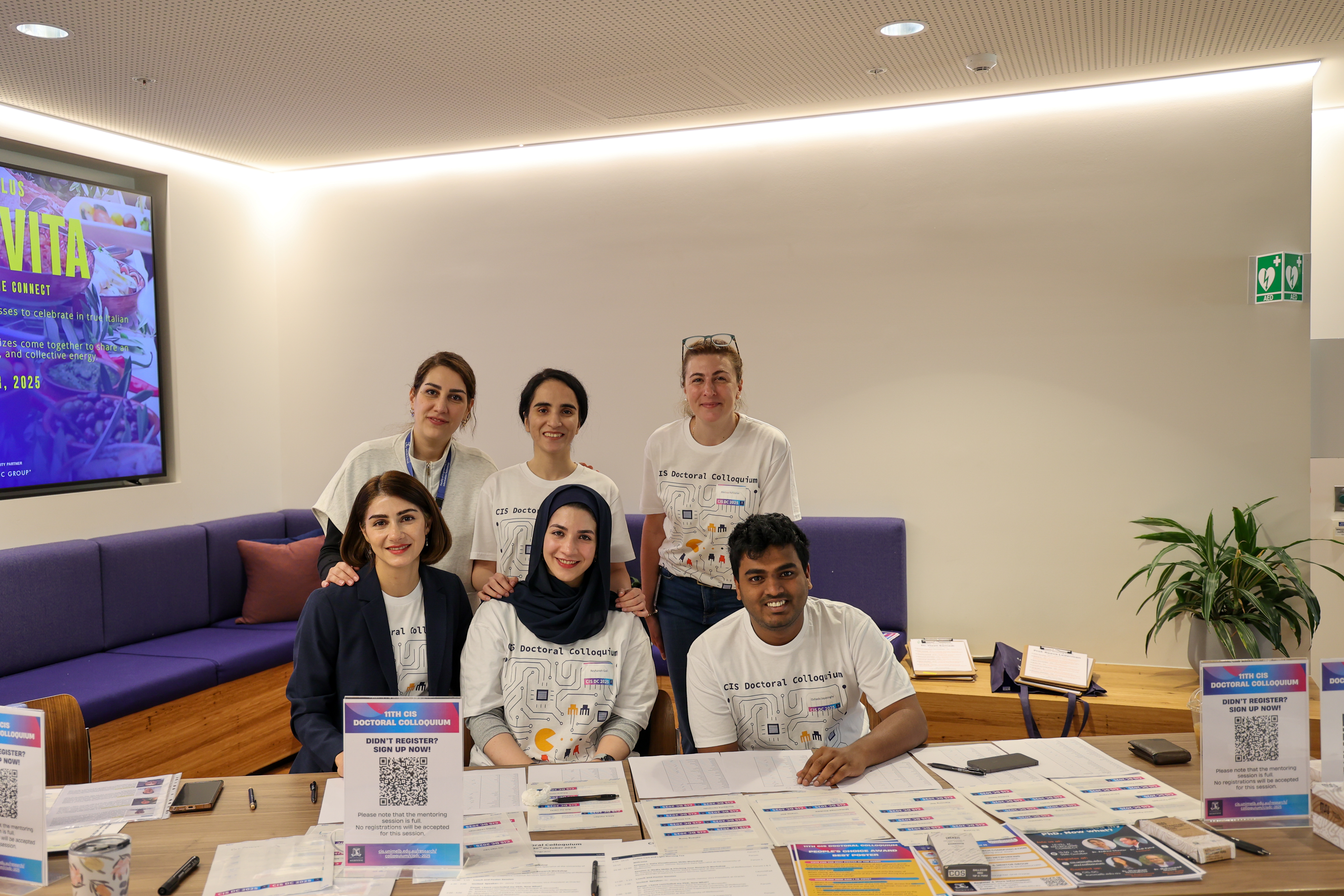
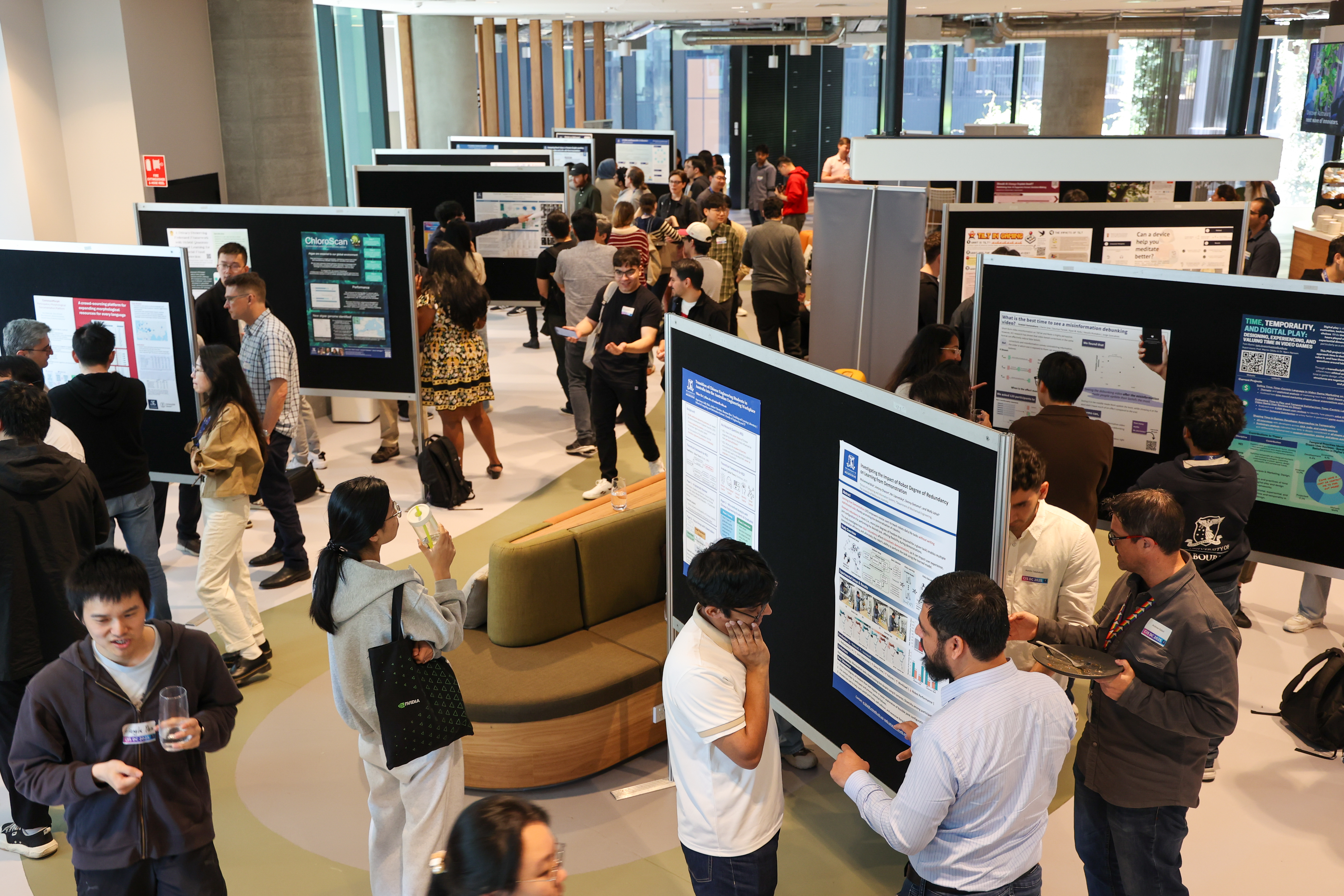
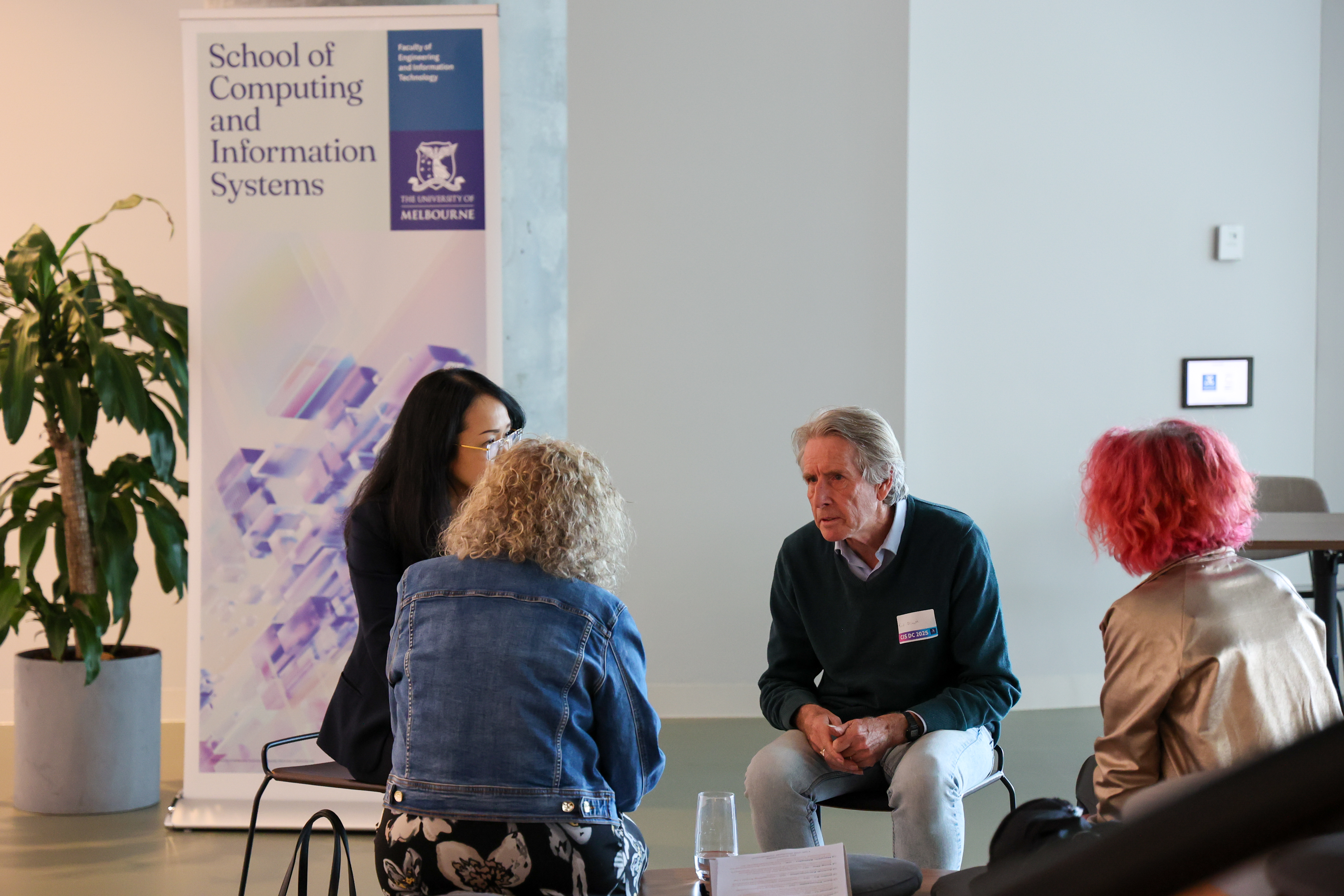
Previous colloquiums
Registrations are now open for the
2025 CIS Doctoral Colloquium!
Date & Time
Thursday, 30 October, 2025
10:00am - 5:15pm
Venue Information
Melbourne Connect
The Superfloor, Melbourne Connect700 Swanston Street, Carlton VIC 3053
Program
| Time | Session | Location |
|---|---|---|
| 9:45 - 10:15 | Coffee Cart and Light Morning Tea | Forum 1 |
| 10:15 | Welcome | Forum |
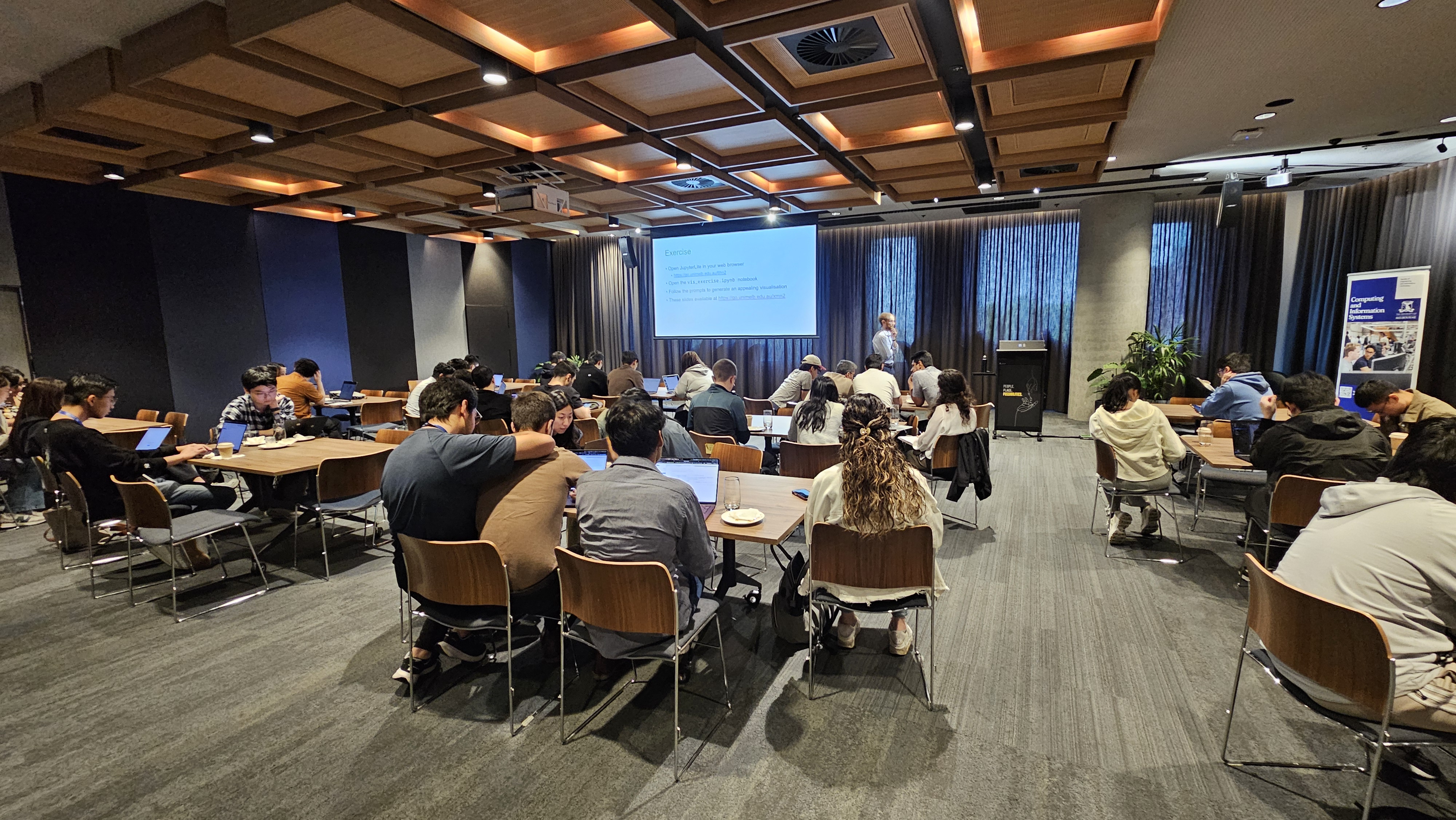
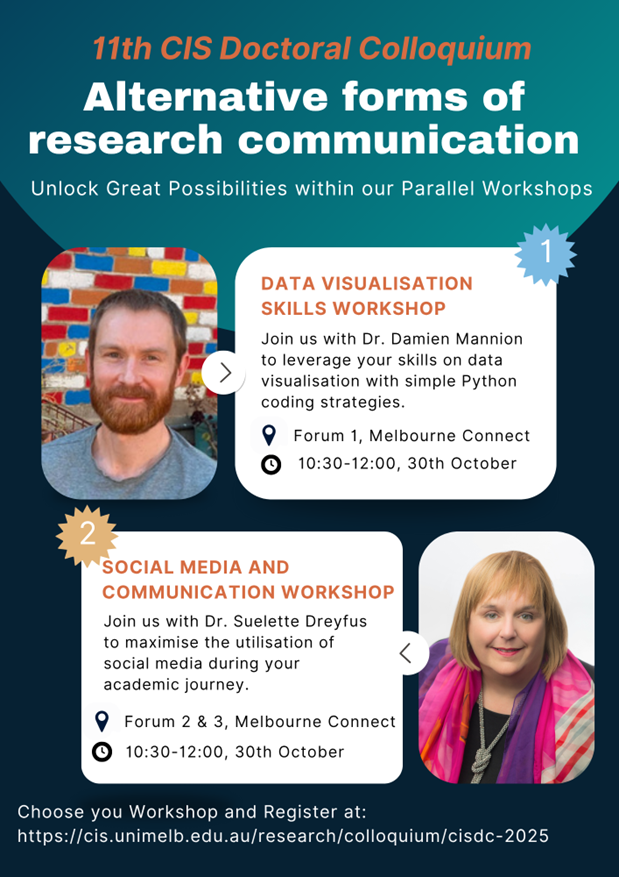
| 10:30 - 12:00 | Session 1: Data Visualisation Skills Workshop Dr. Damien Mannion (Senior Research Data Specialist at the University of Melbourne) | Forum 1 |
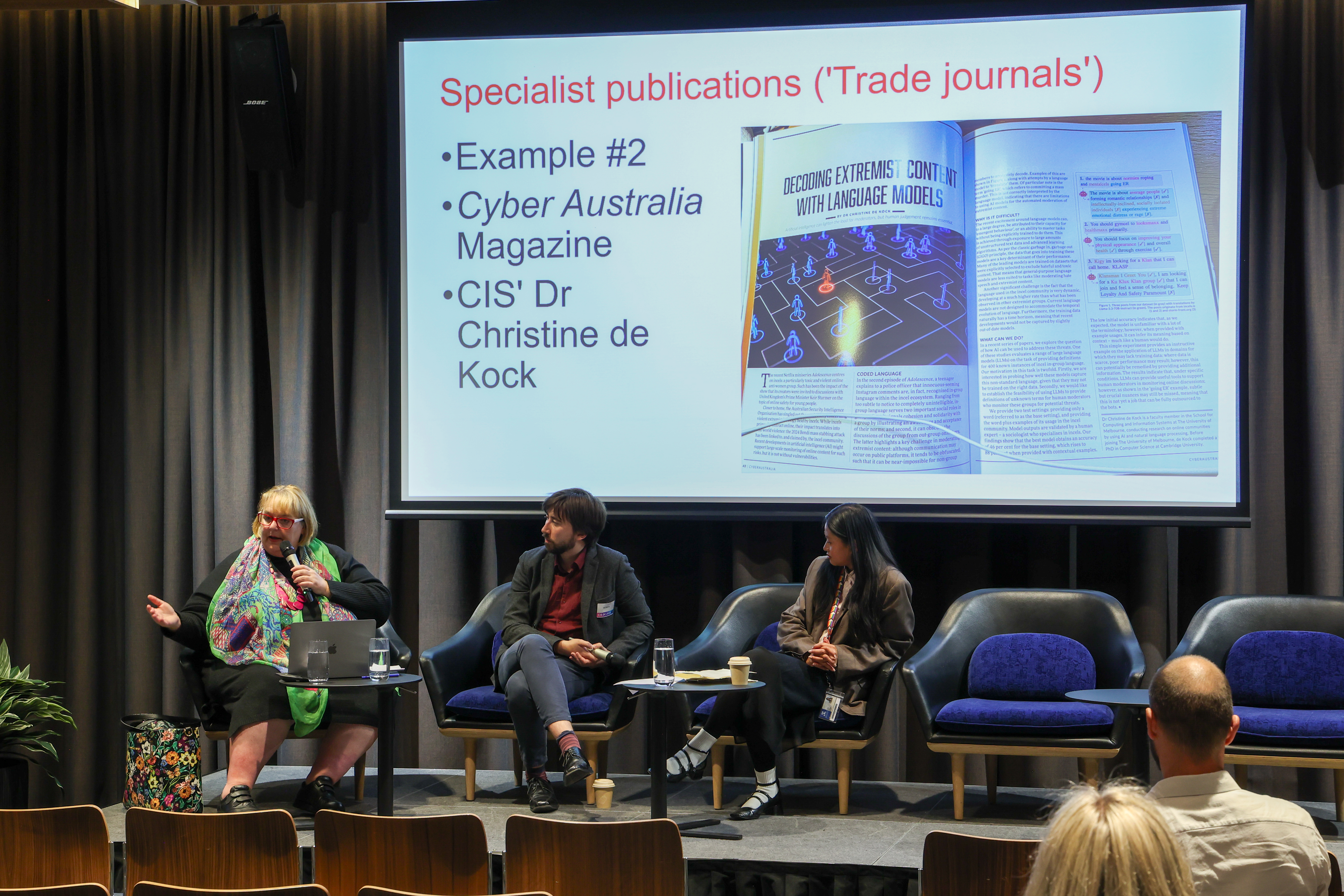
| Session 2: Media Skills & Pitching Your Research Workshop Dr. Suelette Dreyfus (Academic Media Specialist at the University of Melbourne) Alyssa Bitanga (Freelance Creative Services Specialist) | Forum 2 & 3 | |
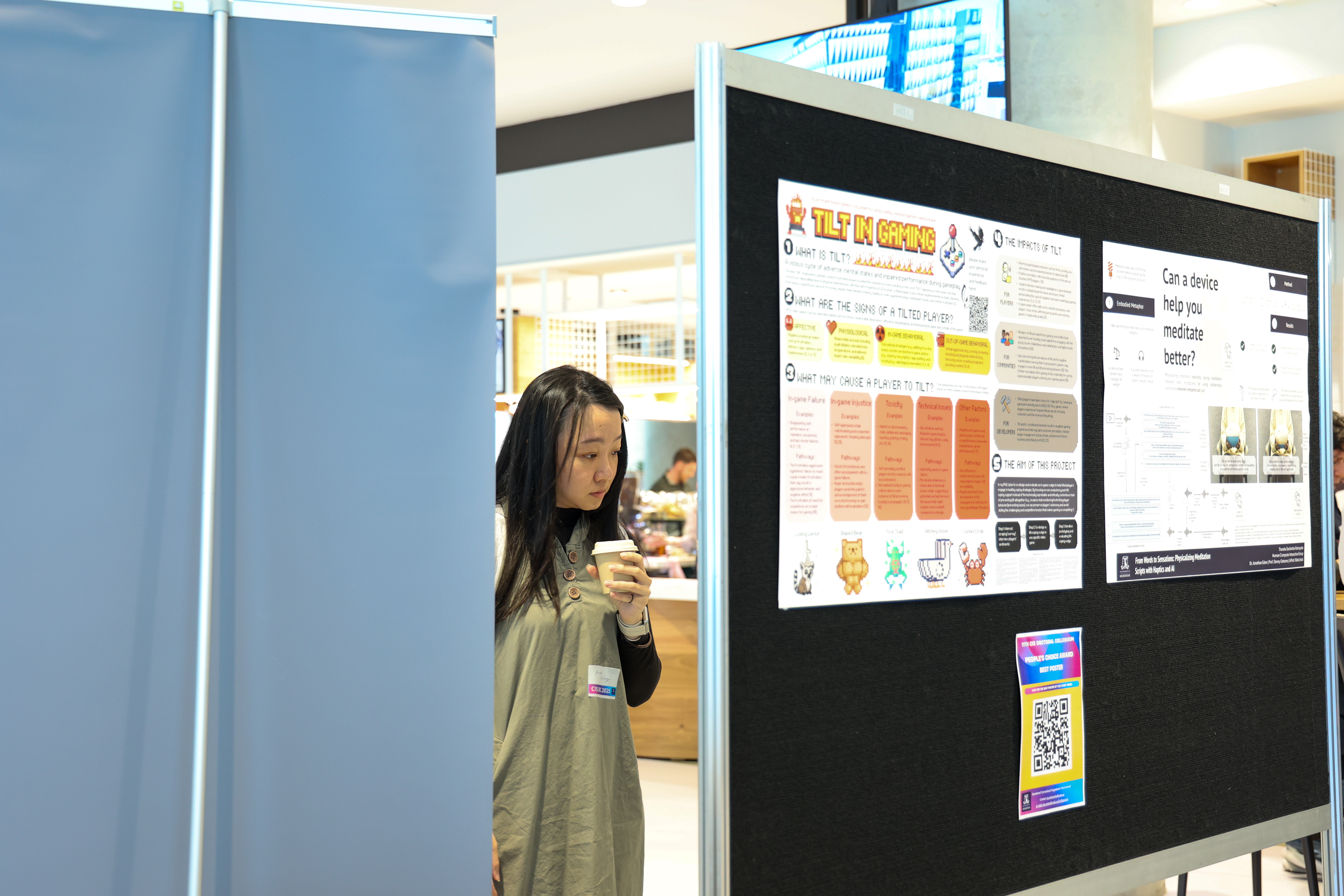
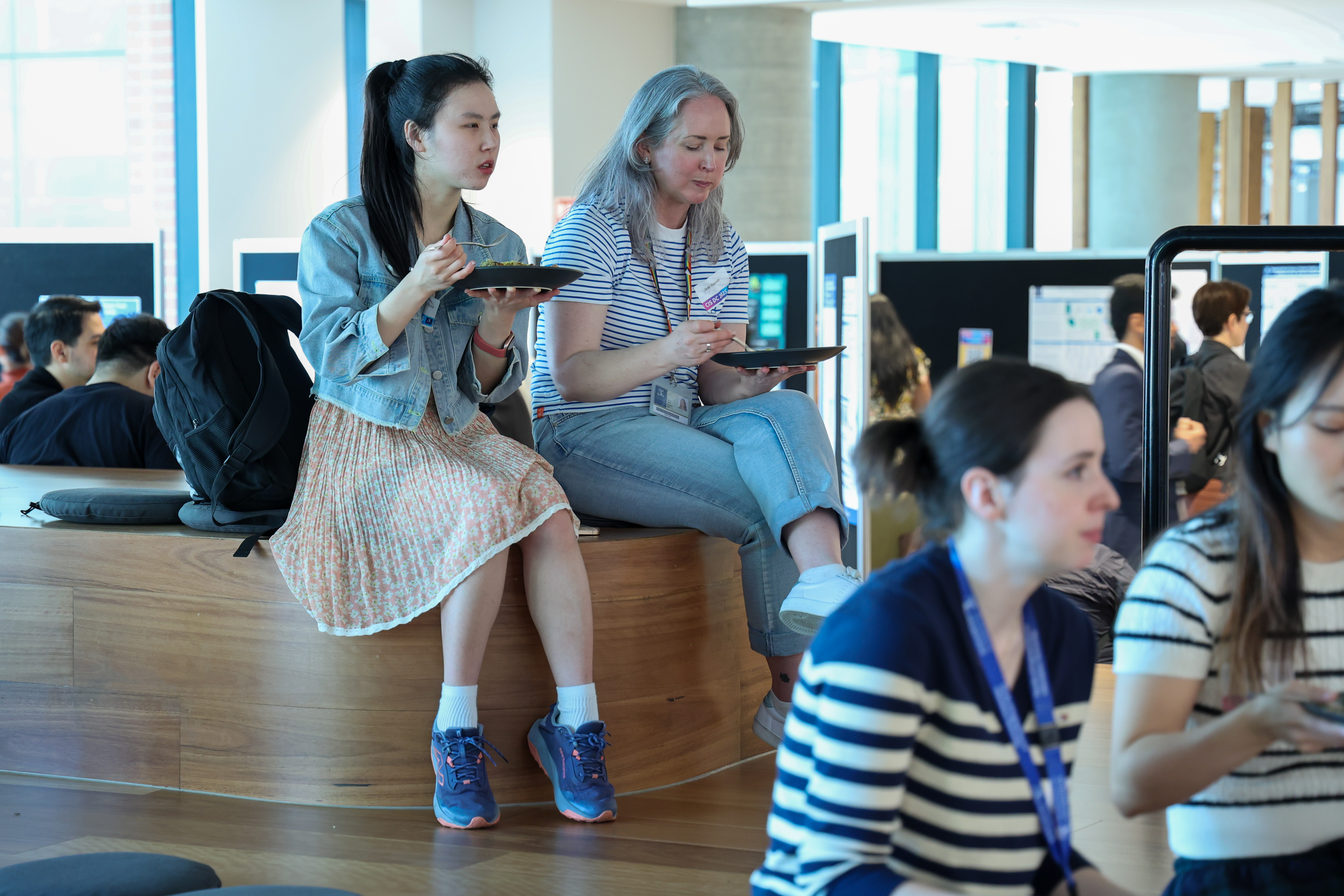
| 12:00 - 1:15 | Lunch and Poster Session | LaunchPad |
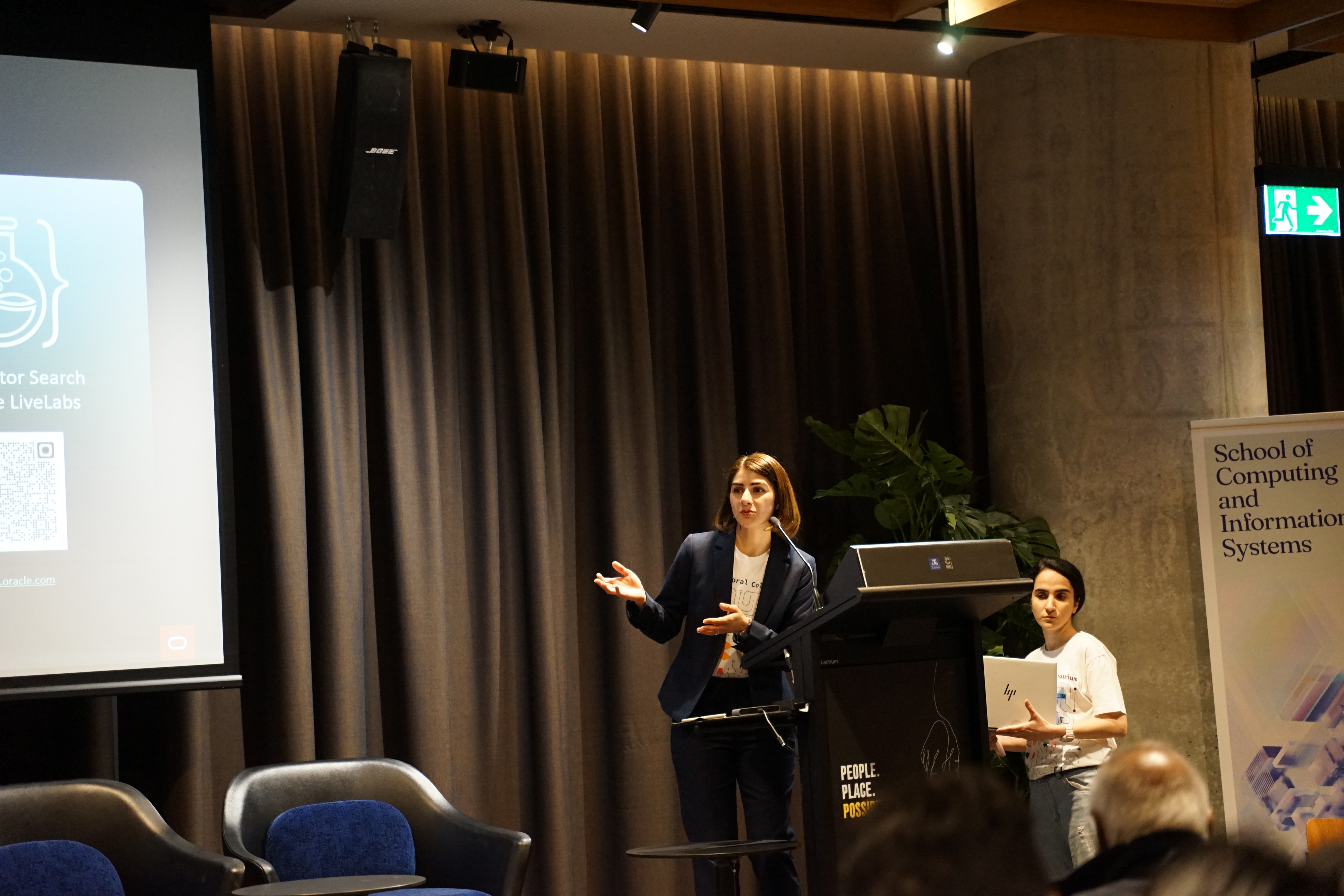
| 1:30 - 2:00 | Invited Speaker: Dr. Jenny Tsai-Smith (Senior Vice President at Oracle) | Forum |
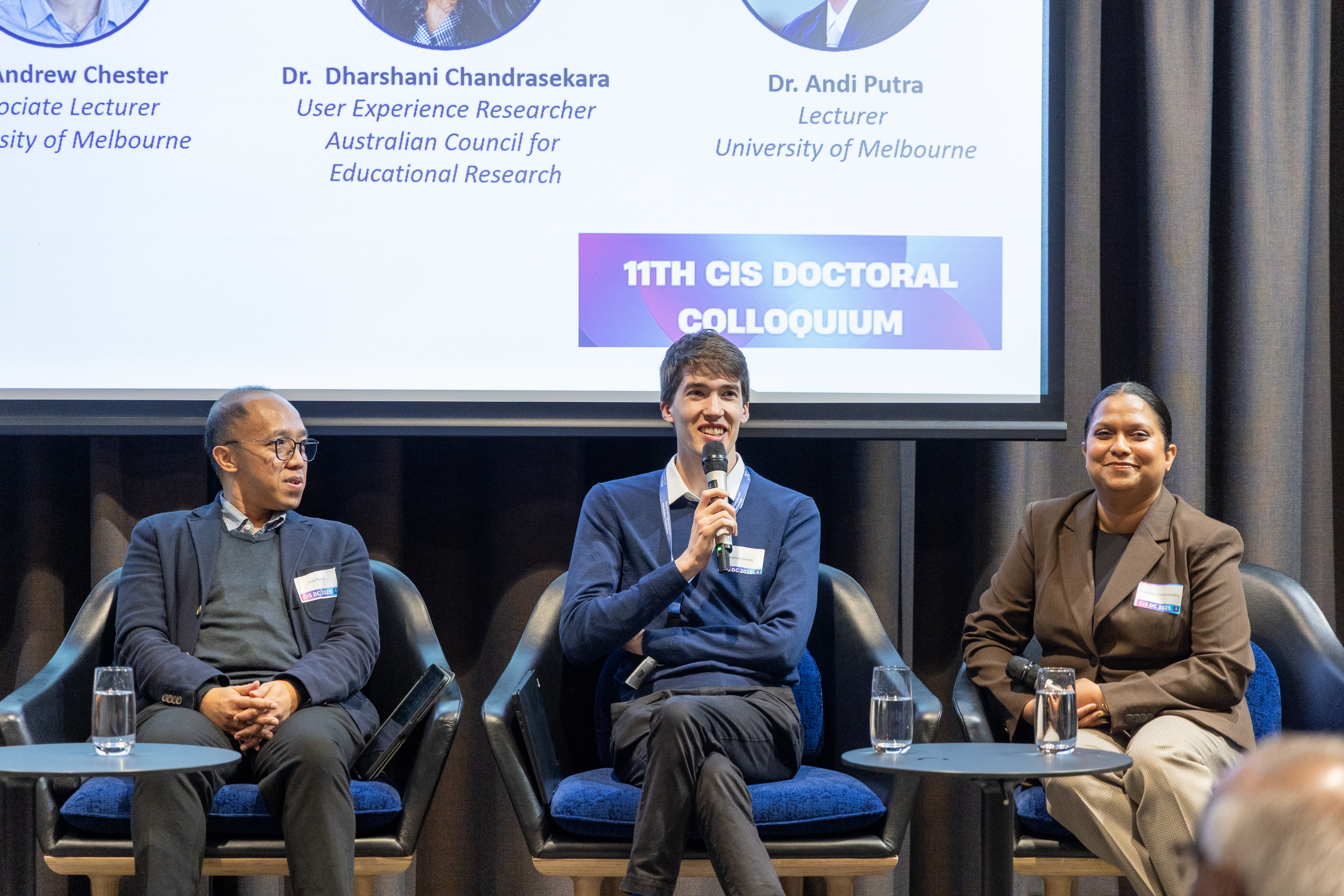
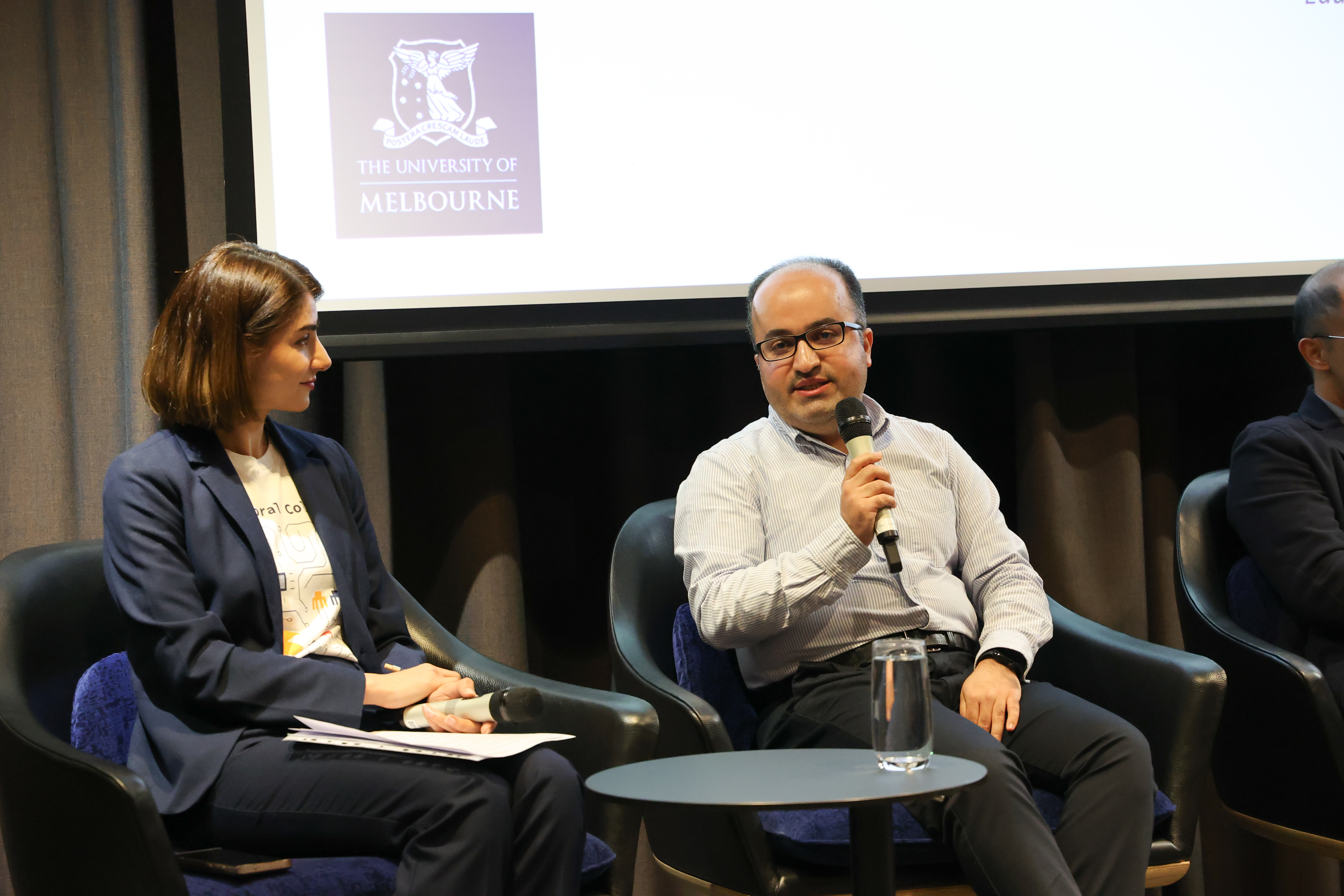
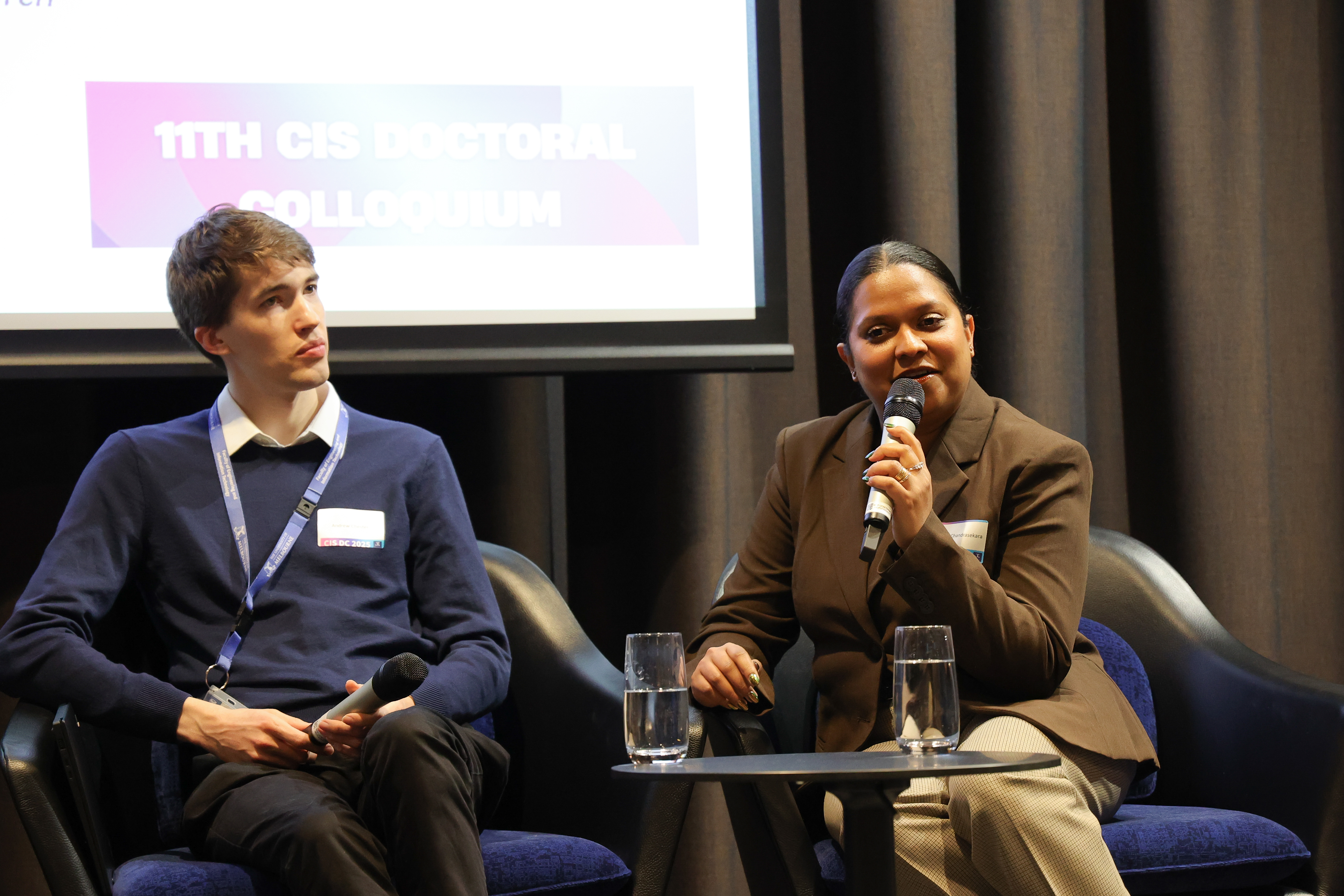
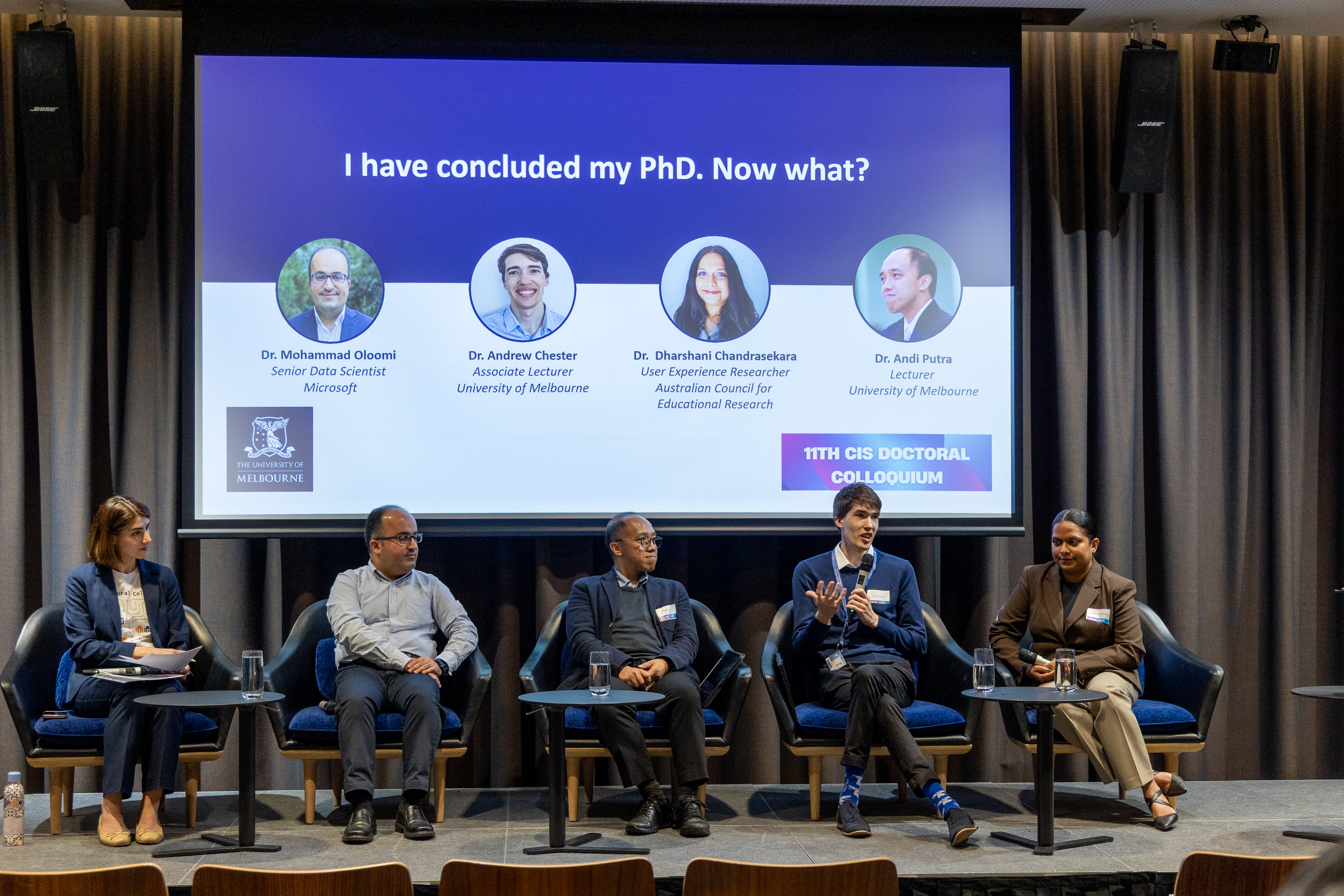
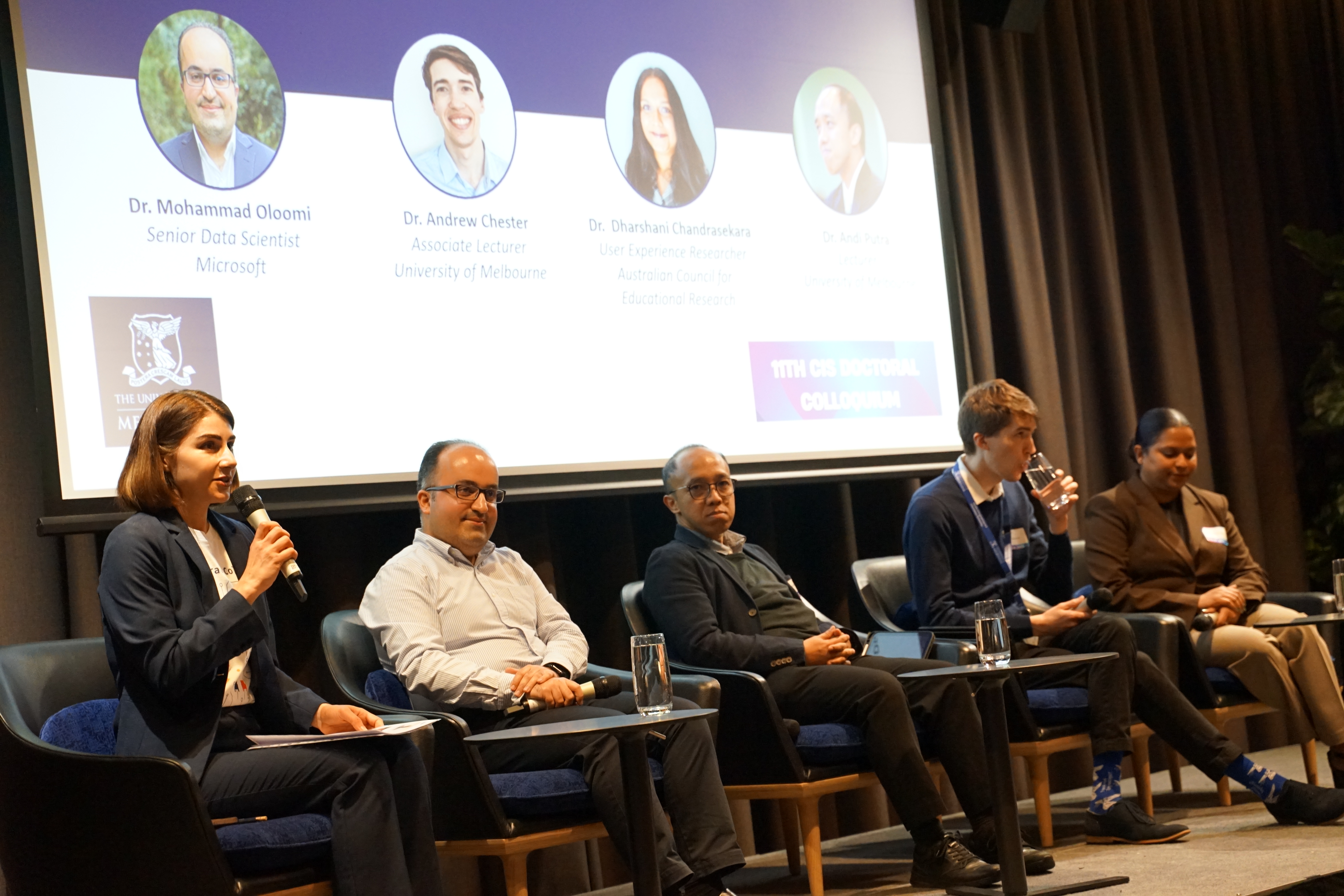
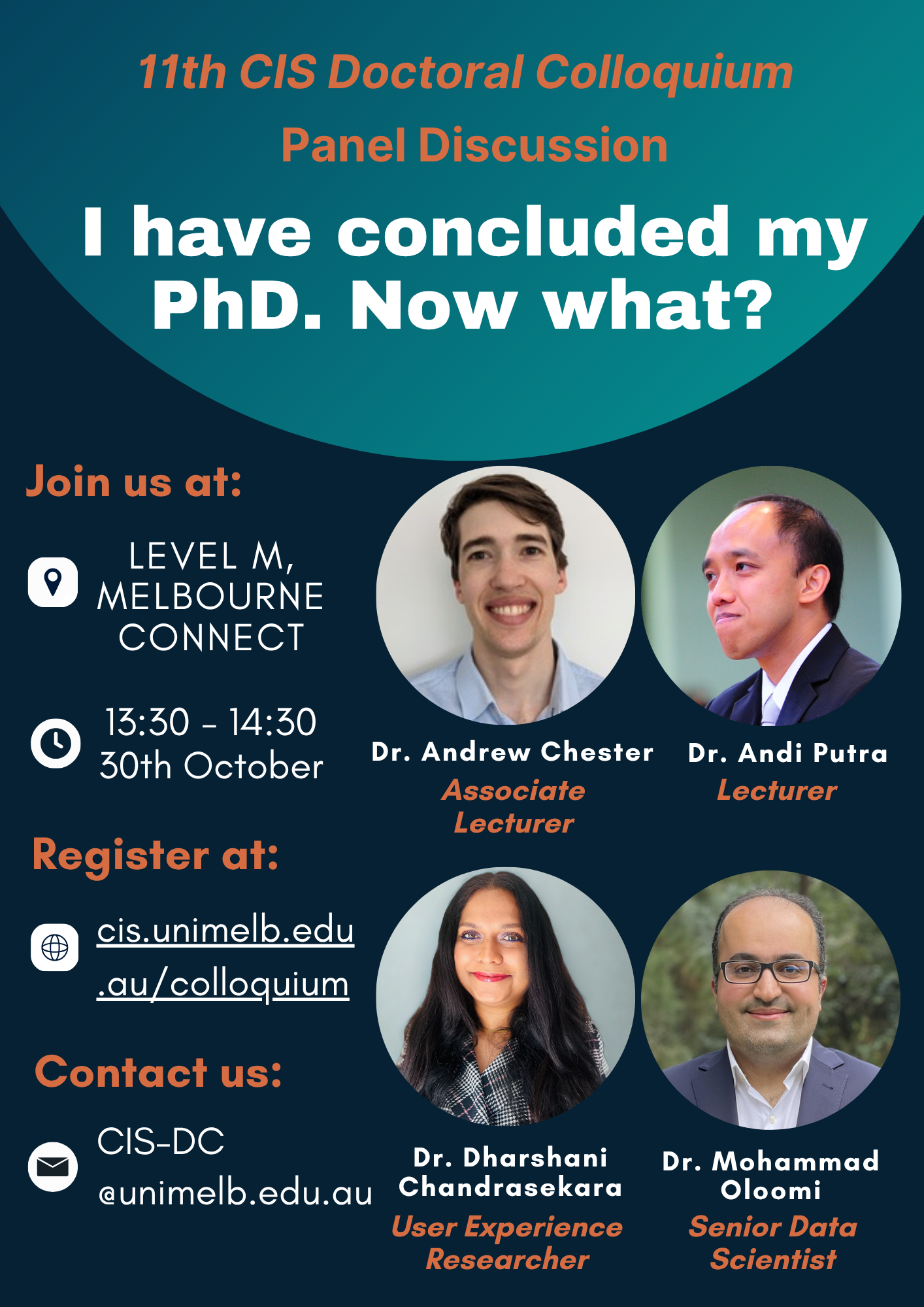
| 2:00 - 3:00 | Panel: I have concluded my PhD, Now What? Dr. Mohammad Oloomi (Senior Data Scientist at Microsoft) | Forum |
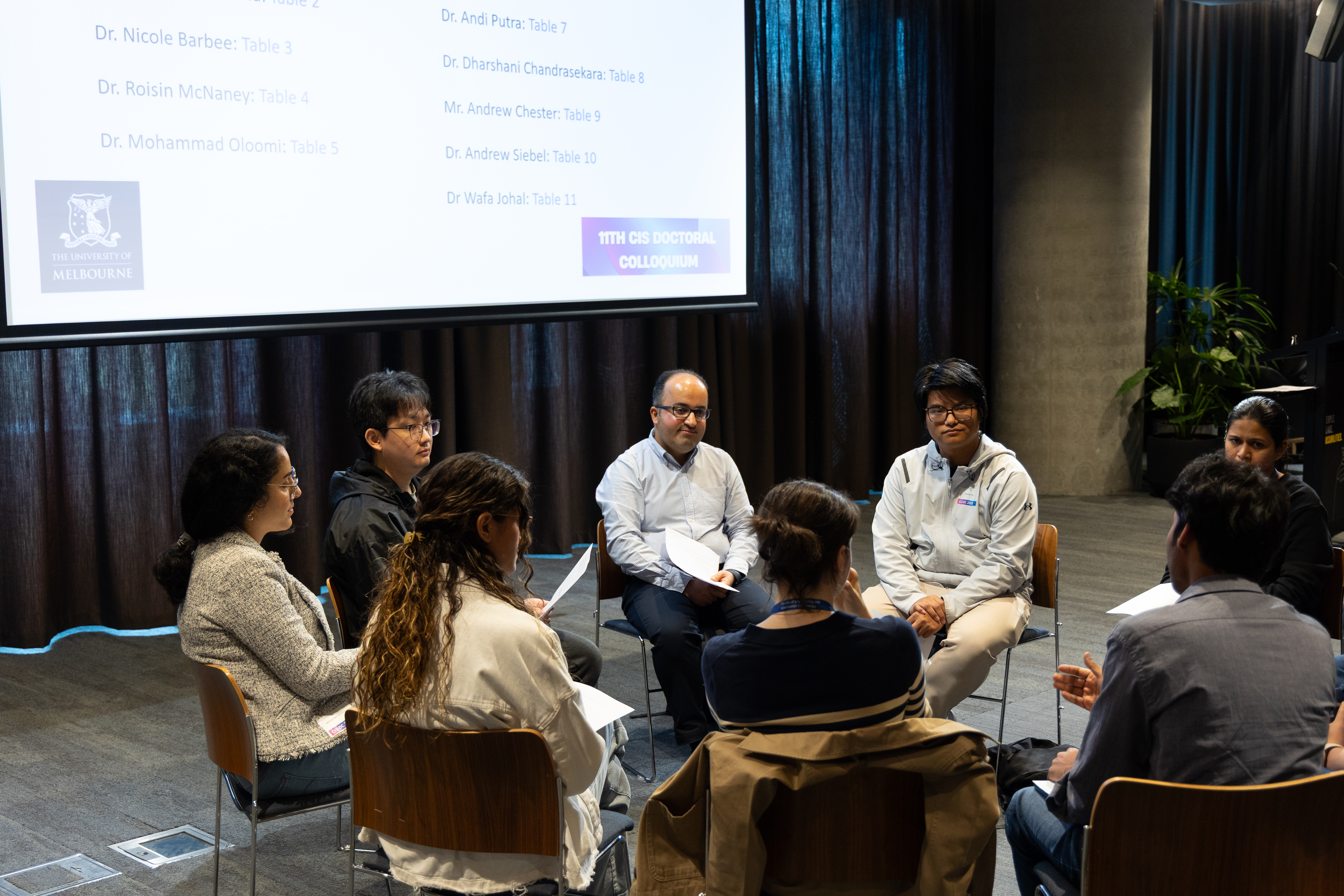
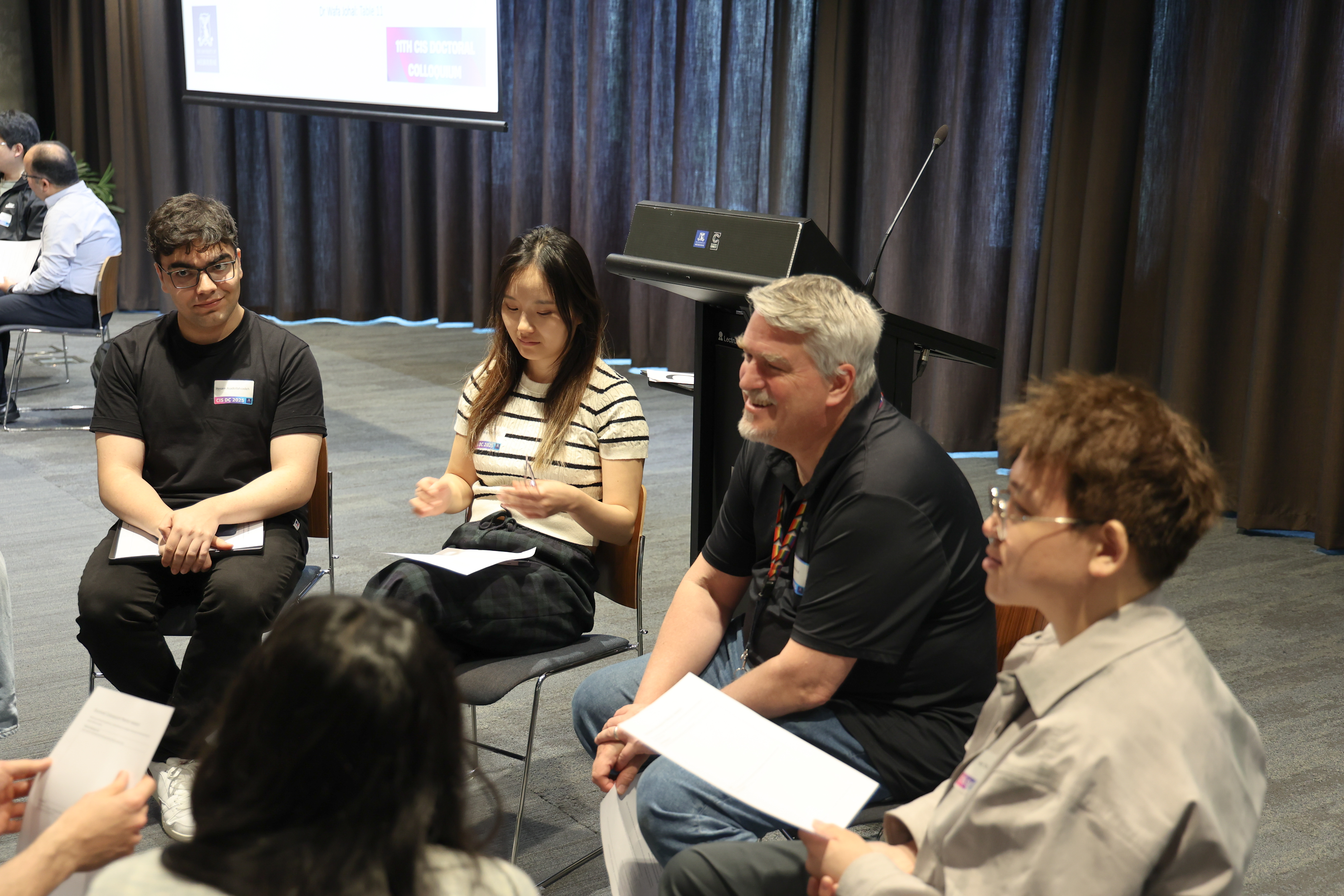
| 3:00 - 3:30 | Mentor Group Sessions: Mapping your research trajectory | Forum |
| 3:30 - 3:45 | Awards | Forum |
| 3:45 - 4:15 | Networking Drinks and canapes | Forum |
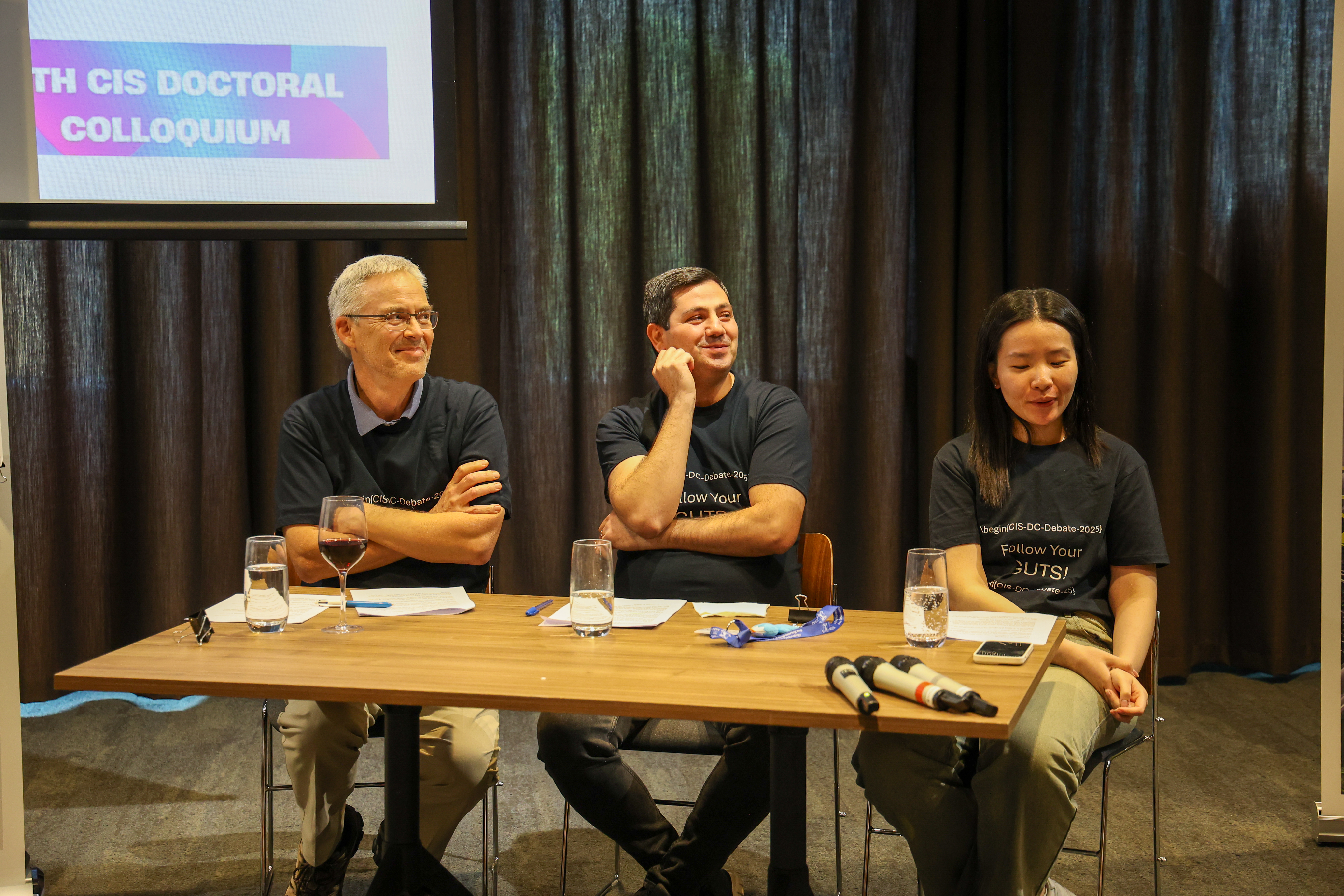
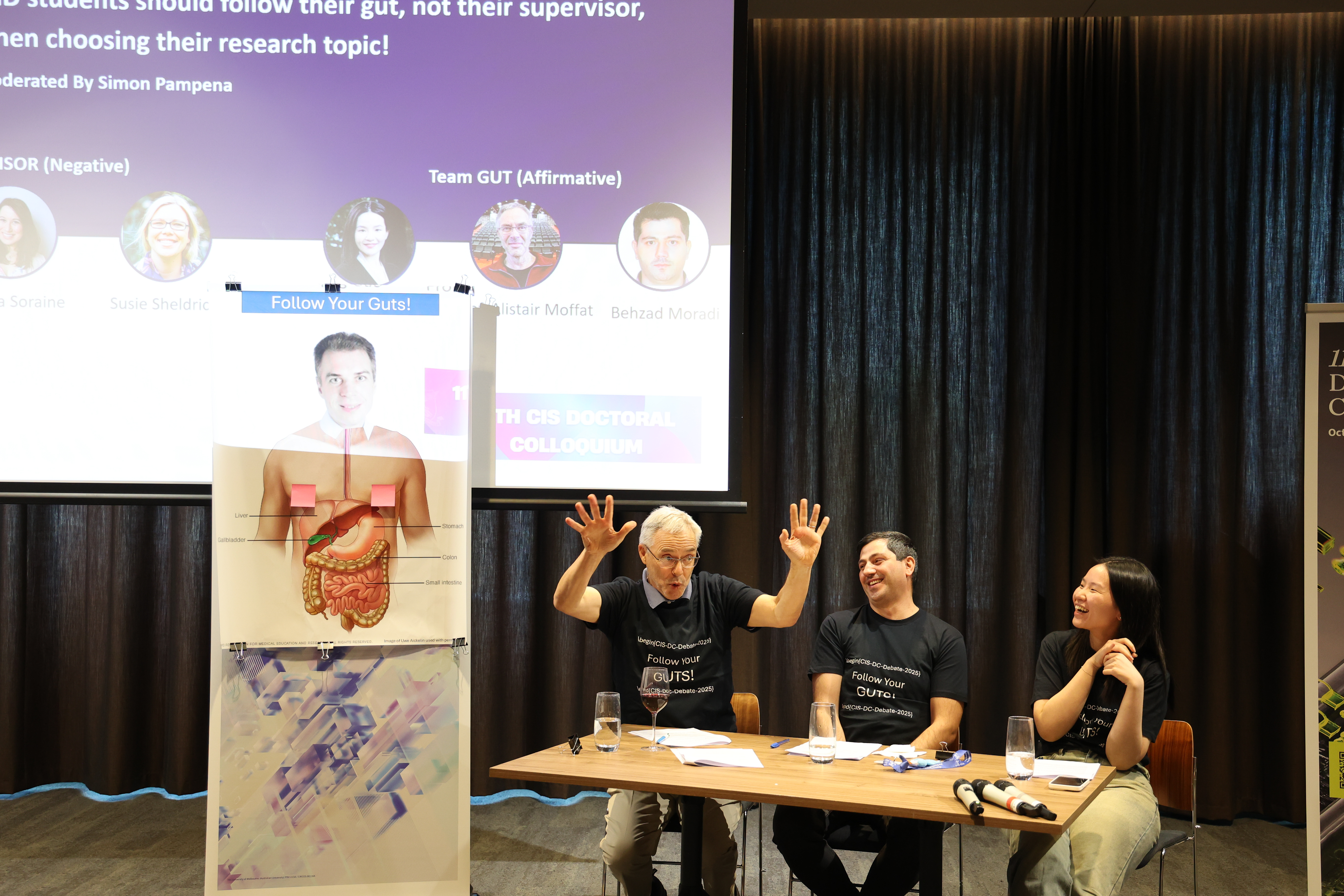
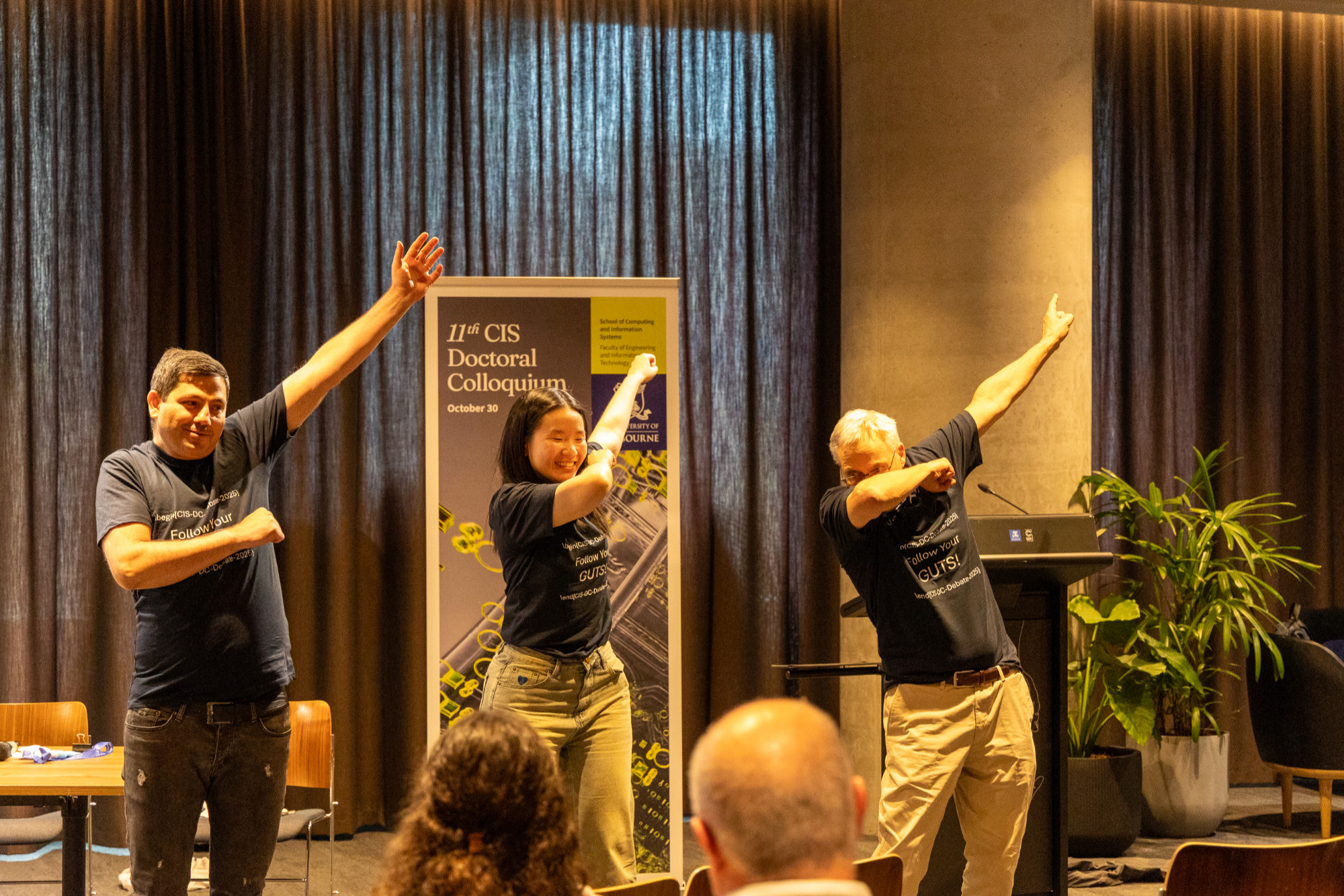
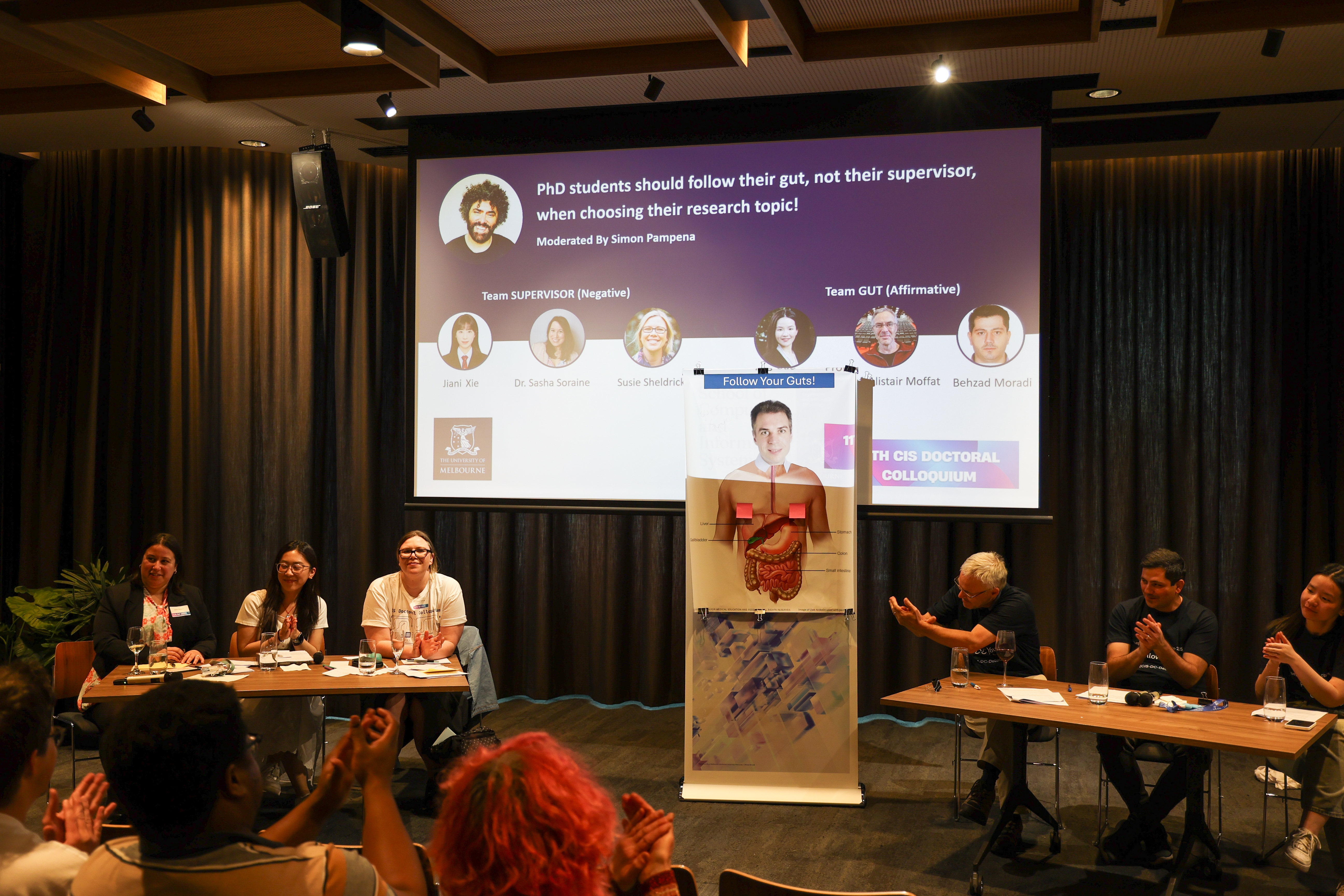
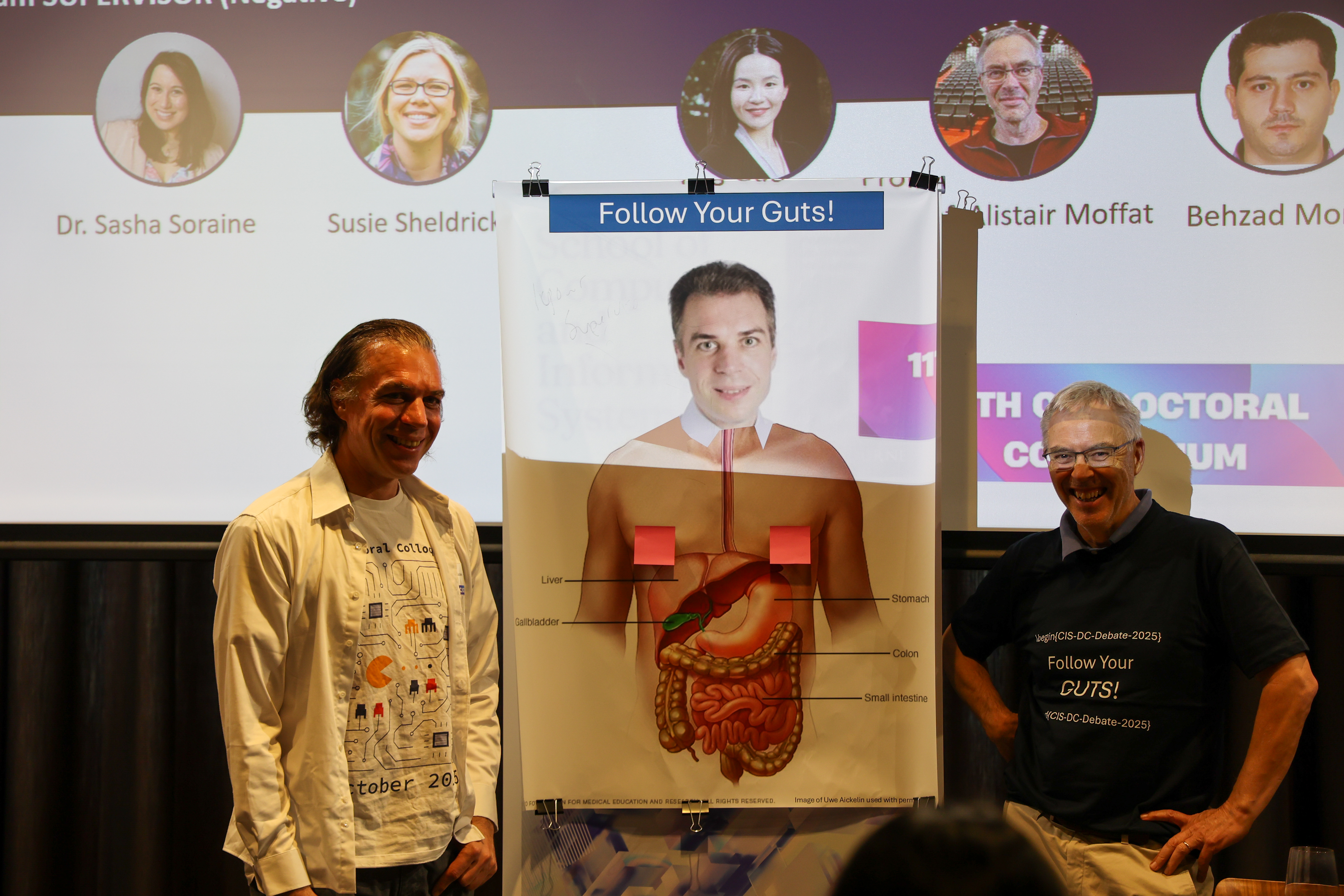
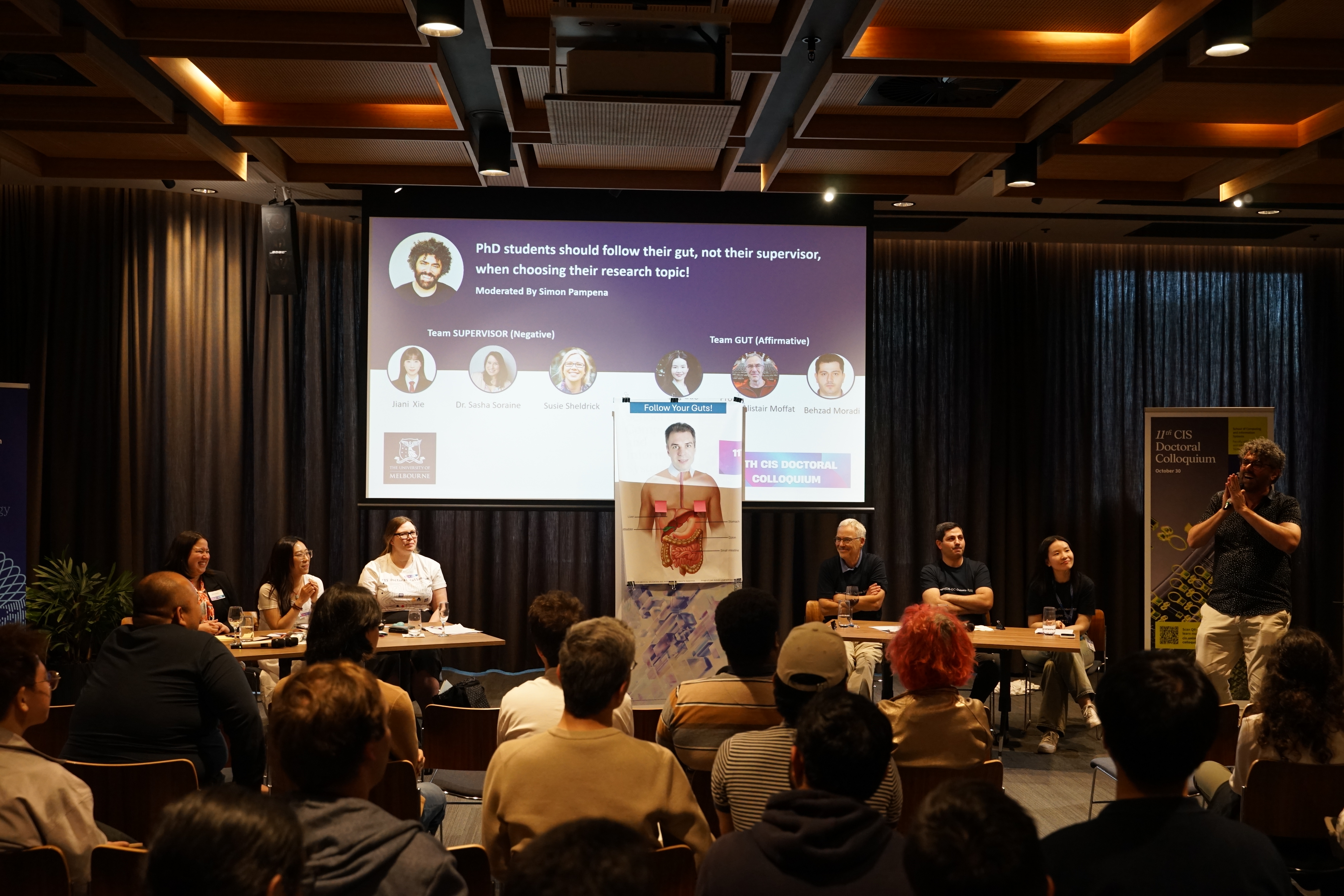
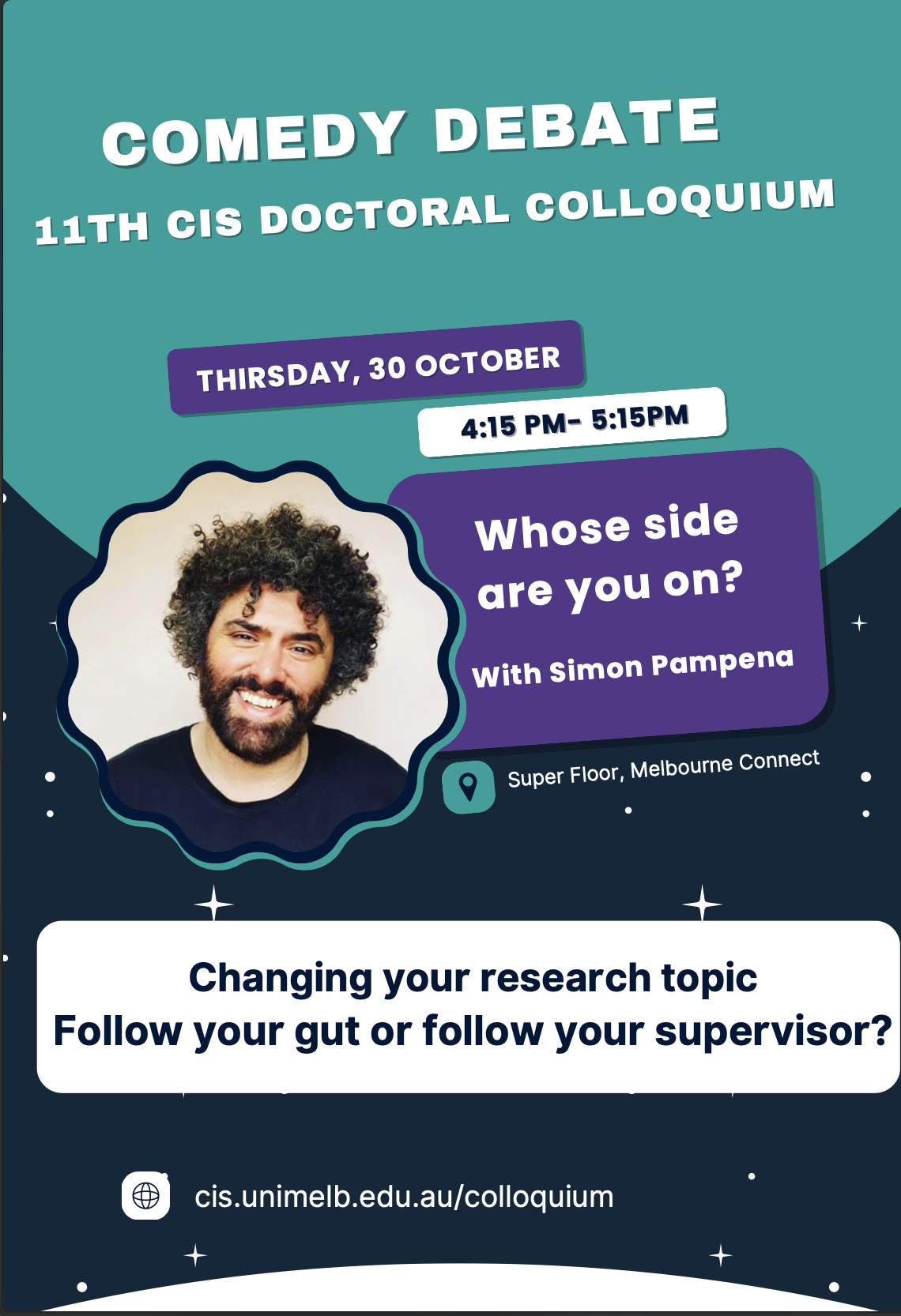
| 4:15 - 5:15 | Comedy Debate: "PhD students should follow their gut, not their supervisor, when choosing their research topic." Moderated by Simon Pampena Team Gut (Affirmative): Prof. Alistair Moffat (Professor at the University of Melbourne) Team Supervisor (Negative): Dr. Melissa Rogerson (Senior Lecturer at the University of Melbourne) | Forum |
Mentor Group Session Details
- Chris Leckie is a Professor in the School of Computing and Information Systems at the University of Melbourne. Research interests: Artificial Intelligence (AI); machine learning, anomaly detection, unsupervised learning; telecommunication and cyber security. Prof Leckie has a strong interest in developing AI and Machine Learning techniques for a variety of applications in telecommunications, such as cyber security, network management, fault diagnosis and the Internet-of-Things. He also has an interest in robust and scalable machine learning algorithms for problems such as clustering and anomaly detection, with a focus on adversarial machine learning and security analytics.
- Tom Drummond is the Melbourne Connect Chair of Digital Innovation for Society at the University of Melbourne. Prior to July 2021, he was Head of Department of Electrical and Computer Systems Engineering at Monash University, where he was also Chief Investigator at Monash Node Leader for the ARC Centre of Excellence in Robotic Vision and prior to September 2010, he was a University Senior Lecturer at the University of Cambridge. His research interests include High Performance Computing, Machine Learning and Computer Vision, with a particular emphasis on real-time systems for Augmented Reality, Robotics and Assistive Technologies. He has been awarded the Konderink prize and the ISMAR 10 year impact award. He has been awarded ARC and EU Framework research grants totalling in excess of $35M AUD as well as numerous funded industry collaborations.
- Melissa Rogerson is a Senior Lecturer in the School of Computing and Information Systems. In 2024, she commenced a three-year ARC DECRA fellowship as well as an ARC Discovery Project. Her research examines the use of digital tools in tabletop play and the materialities of play, as well as the ways in which people form and enact strategies in games. It explores what players value about modern boardgames and boardgame play, and what interactions play evokes and creates, as well as how players use a game and its components during play. Her research has been published at Game Studies conferences, in Games and Culture, and at the CHI conference in Human-Computer Interaction. Melissa brings many years of industry experience, most recently in online services, information design, and usability evaluation, to teaching subjects in Human-Computer Interaction and Information Systems.
- Roisin McNaney is a cross disciplinary digital health researcher at the intersection of healthcare and computing science. Her research focuses on the role of new and emerging technologies in supporting health and care needs, with a particular focus on brain and mental health (e.g. Parkinson's, Youth mental health, Parenting and maternal mental health, Eating disorder and body image, inclusive design in mental health services). She has specific expertise in co-design within these health communities and in ensuring that responsible innovation is embedded in the design process. She is director of the CSIRO Next Generation of Graduates program in AI in Mental Health, which is working with national scale organisations such as Turning Point, headspace and Orygen to develop AI driven solutions to support organisational needs.
- Sasha Soraine is a Postdoctoral Research Fellow in Human Computer Interactions. Their research interests lies in exploring the complexities of player experiences across gaming modalities. Her previous work at McMaster University focused on how the design choices behind a game's mechanics impose ability requirements on human players. Sasha is currently working with Dr. Melissa Rogerson on the hybrid games project as part of a DECRA fellowship. Through this work she aims to combine her knowledge of software engineering, human computer interaction, and game design.
- Andi Putra is a Lecturer at the Department of Mechanical Engineering, joined at early 2025. He received his Bachelor of Engineering in Mechanical Engineering from the University of Brawijaya (Indonesia). After a stint as an engineer in the concentrator facility of a copper mining facility, he completed a double degree Master of Technological Design (Mechatronics) from Technische Universiteit Eindhoven (TU/e) and the National University of Singapore (NUS). He received his PhD in Electrical Engineering from NUS. He subsequently worked as a Research Fellow and a Lecturer in NUS, where he was one of the founding staff of a design-centric education program and a living-learning residential unit. He is a Fellow of Higher Education Academy (FHEA).
- Dharshani Chandrasekara is a User Experience Researcher at the Australian Council for Educational Research. She has a background in digital health and technology-driven community development, and completed her PhD in Computer Science at Monash University. Following her doctorate, she worked as a Research Fellow on interdisciplinary projects focused on social impact. Beyond academia, she co-founded an NGO in Sri Lanka and continues to support start-ups and not-for-profit organisations that leverage technology to empower vulnerable communities. Her work bridges research, design, and social innovation in both local and global contexts.
- Andrew Chester is an Associate Lecturer in the School of Computing and Information Systems. He recently completed his PhD in Artificial Intelligence at RMIT University. He also has five years of industry experience as a data scientist at Deloitte. Andrew has a passion for teaching and is particularly interested in the disruption to the education sector caused by increasingly powerful AI systems (primarily LLMs). He is excited to understand how we can best adapt our teaching and learning experiences to equip students with the skills they need for an ever-changing future.
- Mohammad Oloomi is a seasoned Machine Learning Engineer and Data Scientist with a PhD in Computer Science from the University of Melbourne. He has extensive experience across industry, consulting, and academia, specialising in crafting end-to-end AI/ML solutions on big data, productionizing large-scale ML solutions using MLOps best practices, and building AI/ML platforms. He is currently a Senior Data Scientist at Microsoft.
Flyers
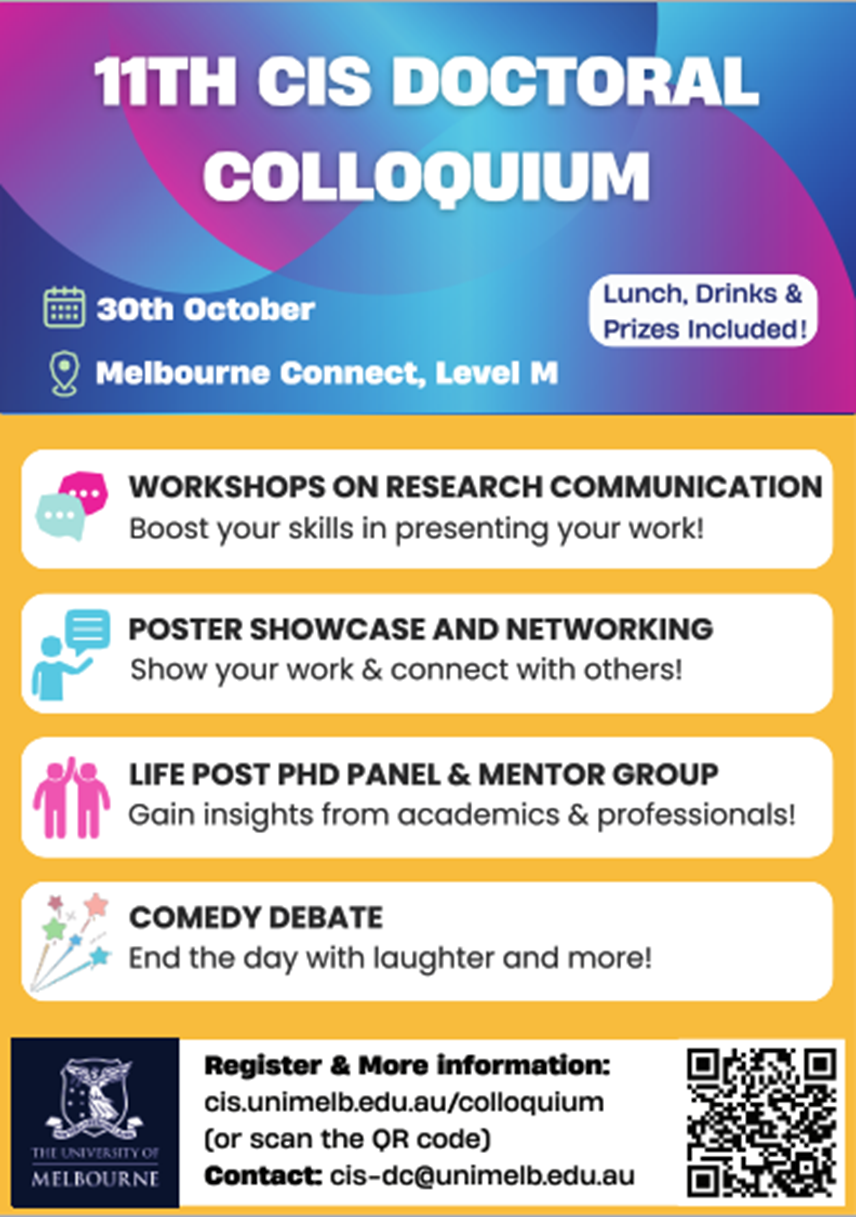
Want to share your research to the community?
The CIS Doctoral Colloquium the perfect place for you!
The CIS Doctoral Colloquium is an exciting opportunity for PhD students to share their research with the University community and the general public. It's also an opportunity to meet with industry representatives and network with your peers.
In 2025 we are offering a poster track only.
If you have any questions about the colloquium or the submission process please email:
CIS-DC@unimelb.edu.au
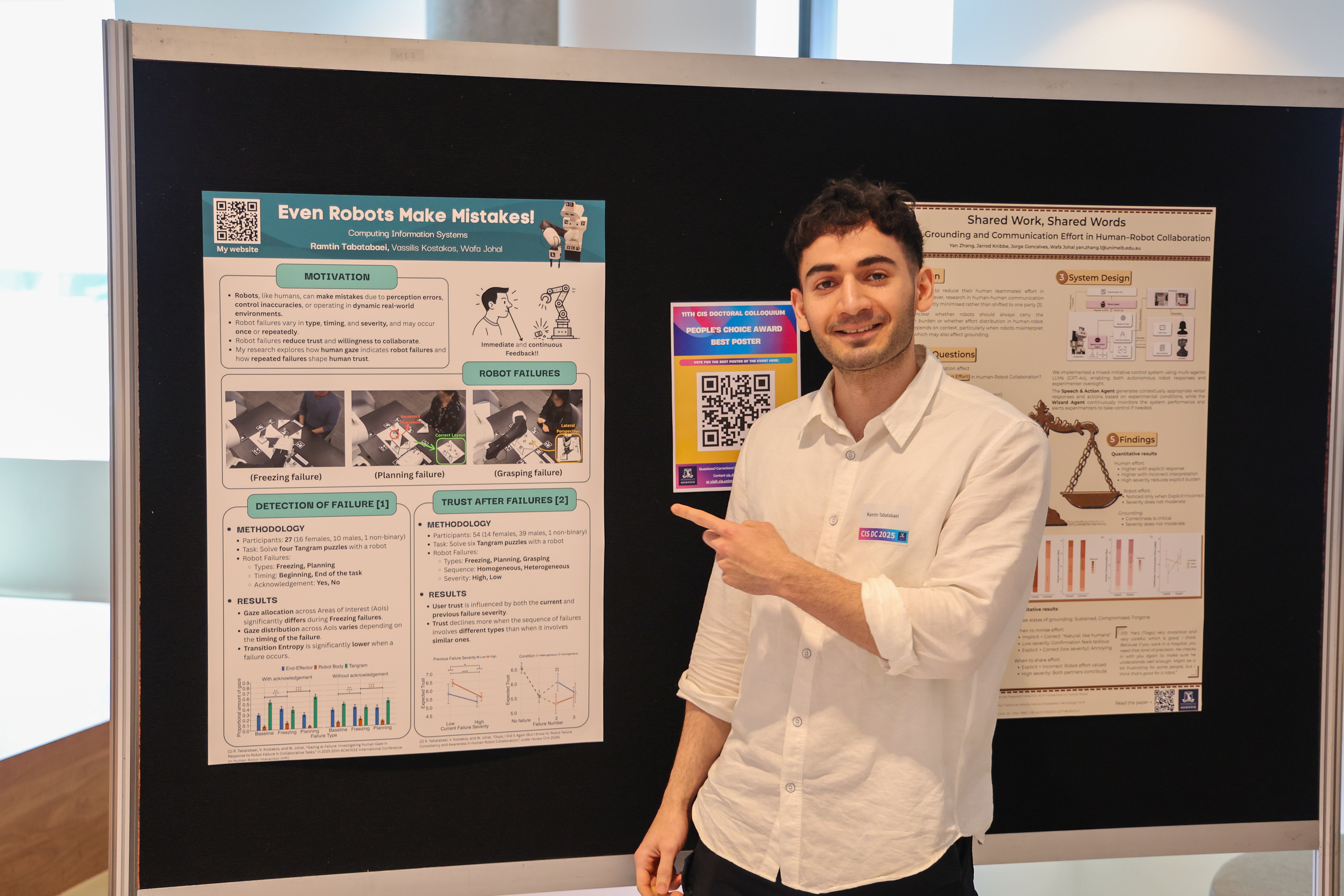
Vote for the Best Poster!
We’d Love Your Input!
Please take a moment to review all the posters and vote for the “Audience Choice” award (excluding the one selected by the judges).
When voting, kindly consider the following:
- The research topic and its significance.
- The presenters’ engagement during the poster session.
- The overall design and clarity of the poster.
Voting Rules:
- You may vote for any poster, regardless of your research group affiliation.
- No poster will receive two awards. If the poster chosen by the audience has already won the “Best Poster” award from the judges, the second most-voted poster will receive the Audience Choice award.
- Poster voting will begin on October 30, at the commencement of the poster session.
Voting Link
Poster Submissions
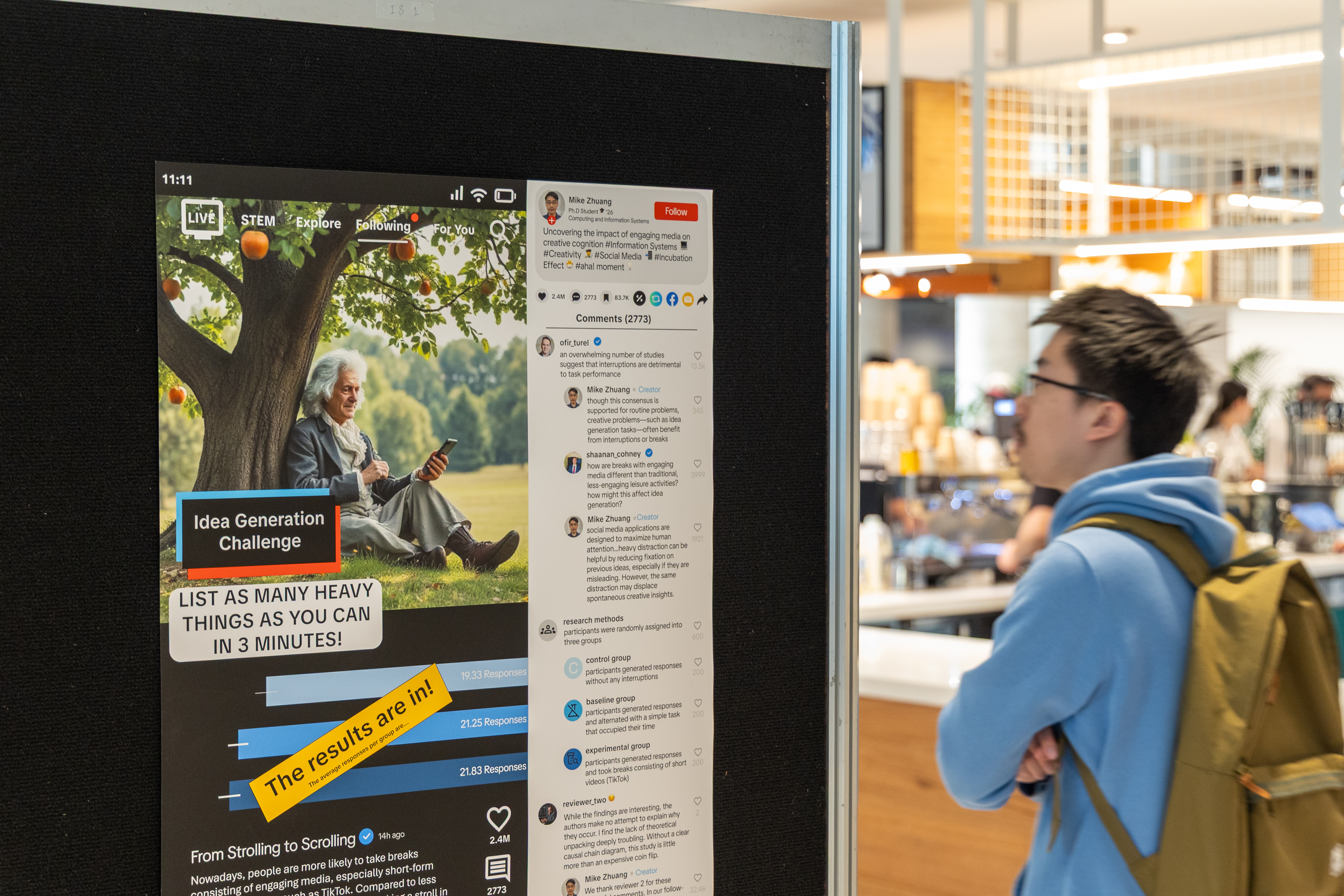
The poster track involves the submission of a poster outlining your academic work along with a showcase during the CIS-DC where you will present your work.
Demos are welcomed.
It is a great opportunity to present a pertinent aspect of your research, such as a methodology or framework where visuals are needed and could be used to their full advantage. This track is particularly useful for students who would like more face-to-face interaction with the audience.
Submit a 100 to 200-word abstract and your poster (A1, PDF).
Abstract submissions are now open.
Please send your poster via email to CIS-DC@unimelb.edu.au.
Eligibility
Applicants must:
- Be a current graduate researcher at the University of Melbourne.
- Be enrolled in the School of Computing and Information Systems.
- Provide required documents on time.
Domestic and international; part-time and full-time students are eligible. There is no capacity limits and no selection criteria. We welcome research at all levels of progress and completion.
Resources
Poster templates
Example posters from previous colloquiums:
Poster Design Workshop Recording
We held a Poster Design workshop with Dr Jade Sleeman from Academic Skills on September 18. Dr Sleeman has generously provided us with the recording and slides from her workshop.
Prizes
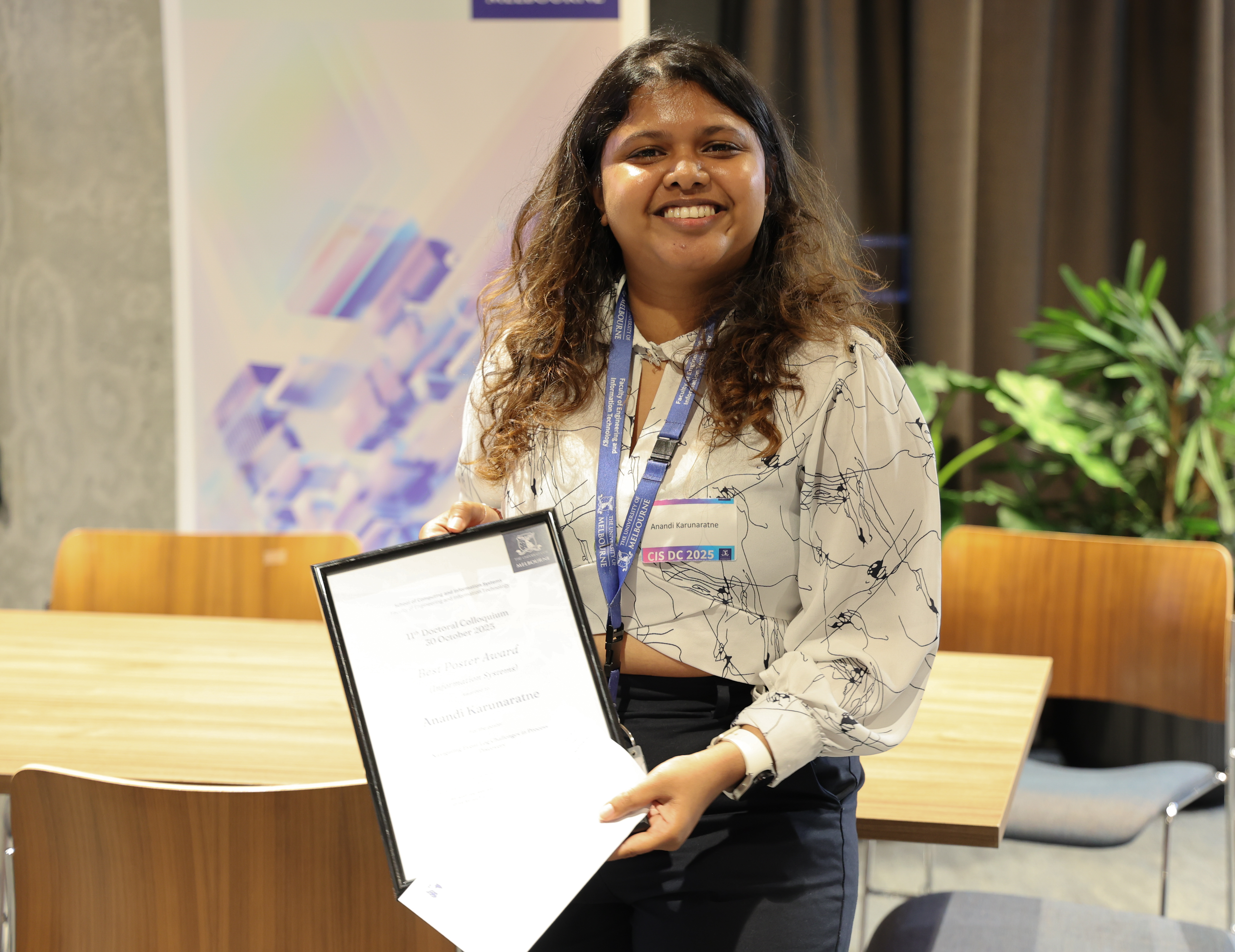
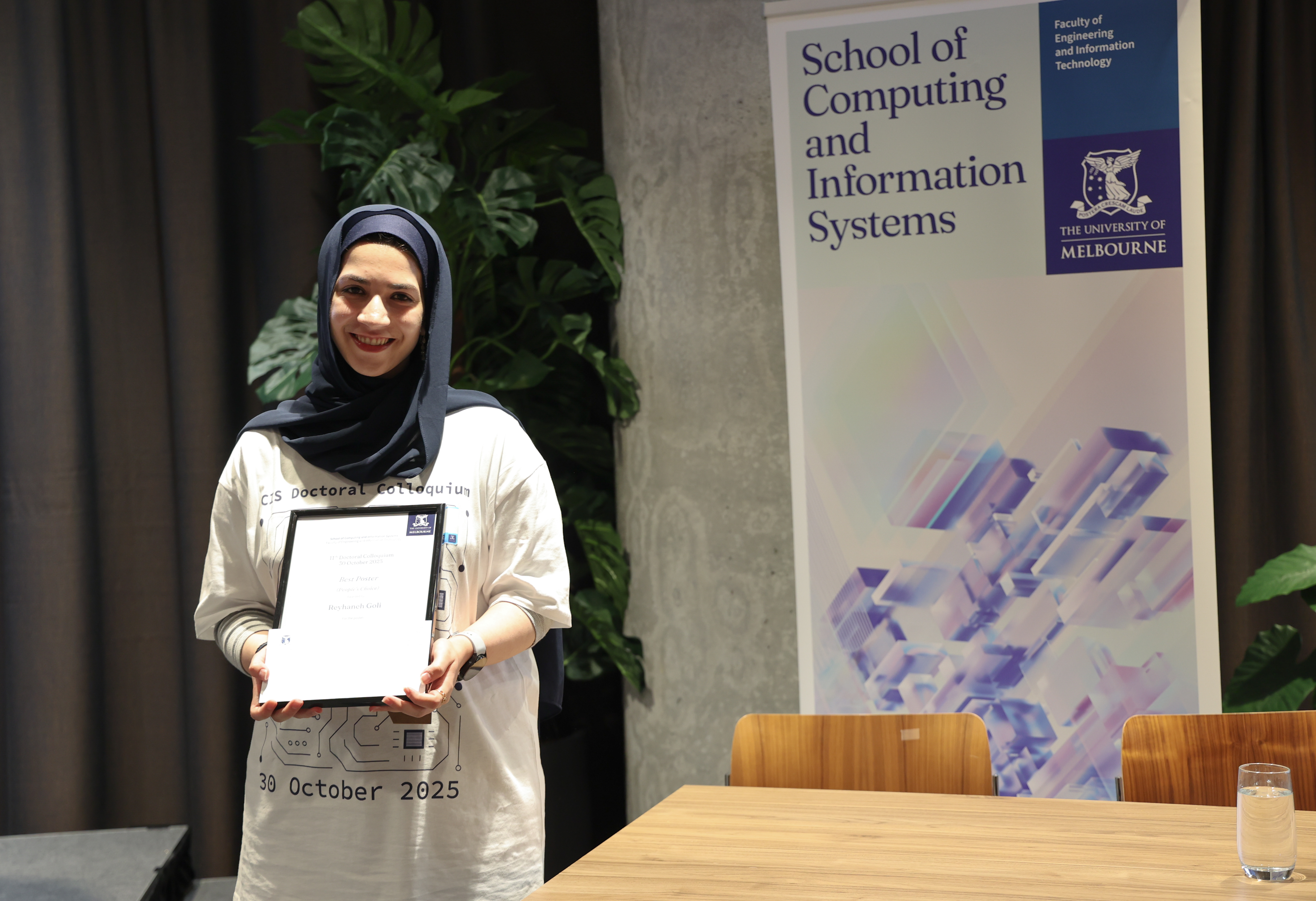
There will be a $500 prize awarded to a Gradutate Researcher from each research group*, and one People's Choice poster.
If you won a prize in a previous Colloquium, you will only be eligible to win again this year if you present a new piece of research.
*If there is a disproportionate number of student submissions from one group, we reserve the right to add additional prizes!
Important Dates
Please note these are the proposed dates and may be subject to change if necessary.
- Monday 8 September 2025
-
Abstract submissions for posters open
- Week of September 15
-
Poster Workshop
- Friday 10 October 2025
-
Poster Abstract Due
- Monday 20 October 2025
-
Posters Due
- Thursday 30 October 2025
-
Doctoral Colloquium
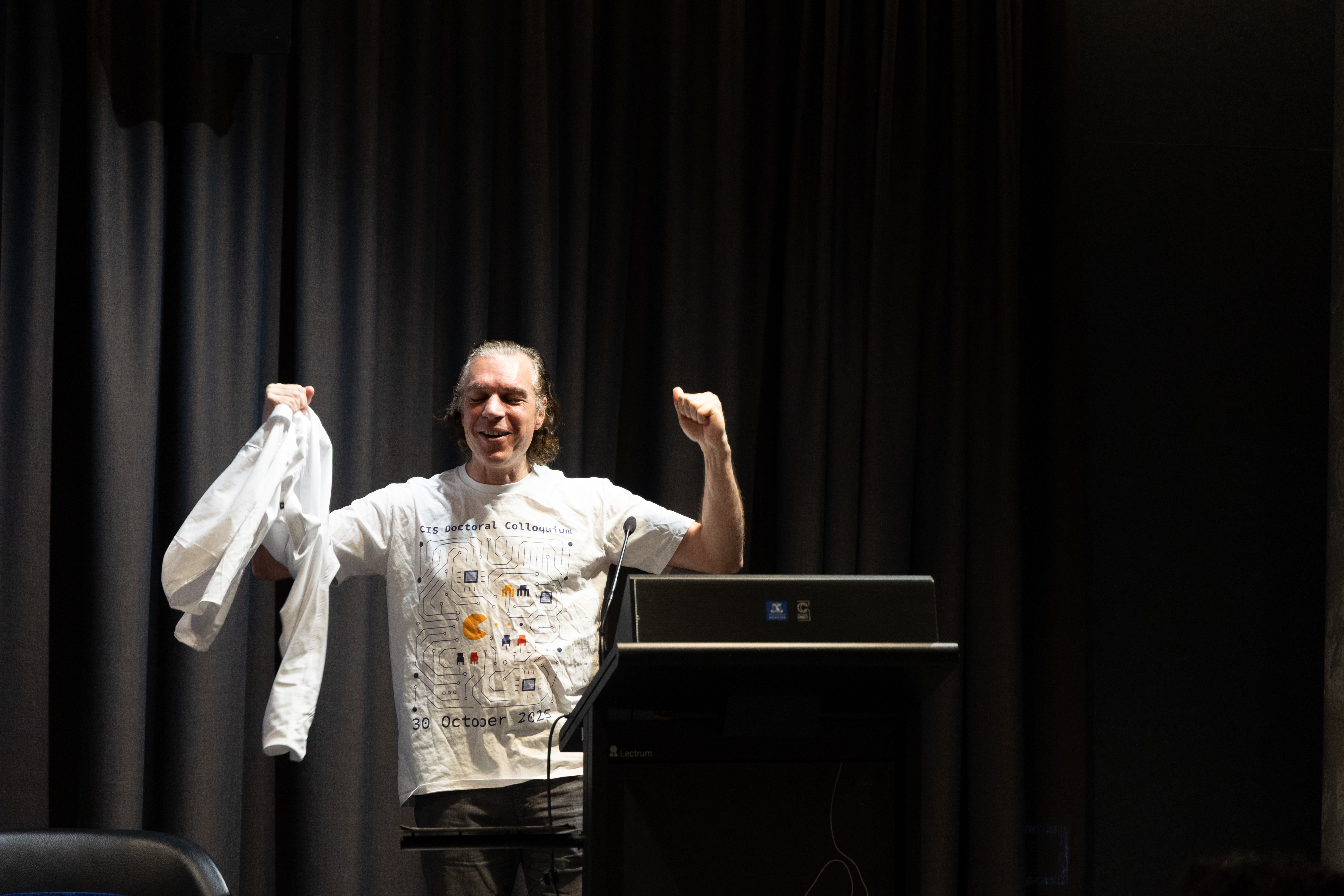
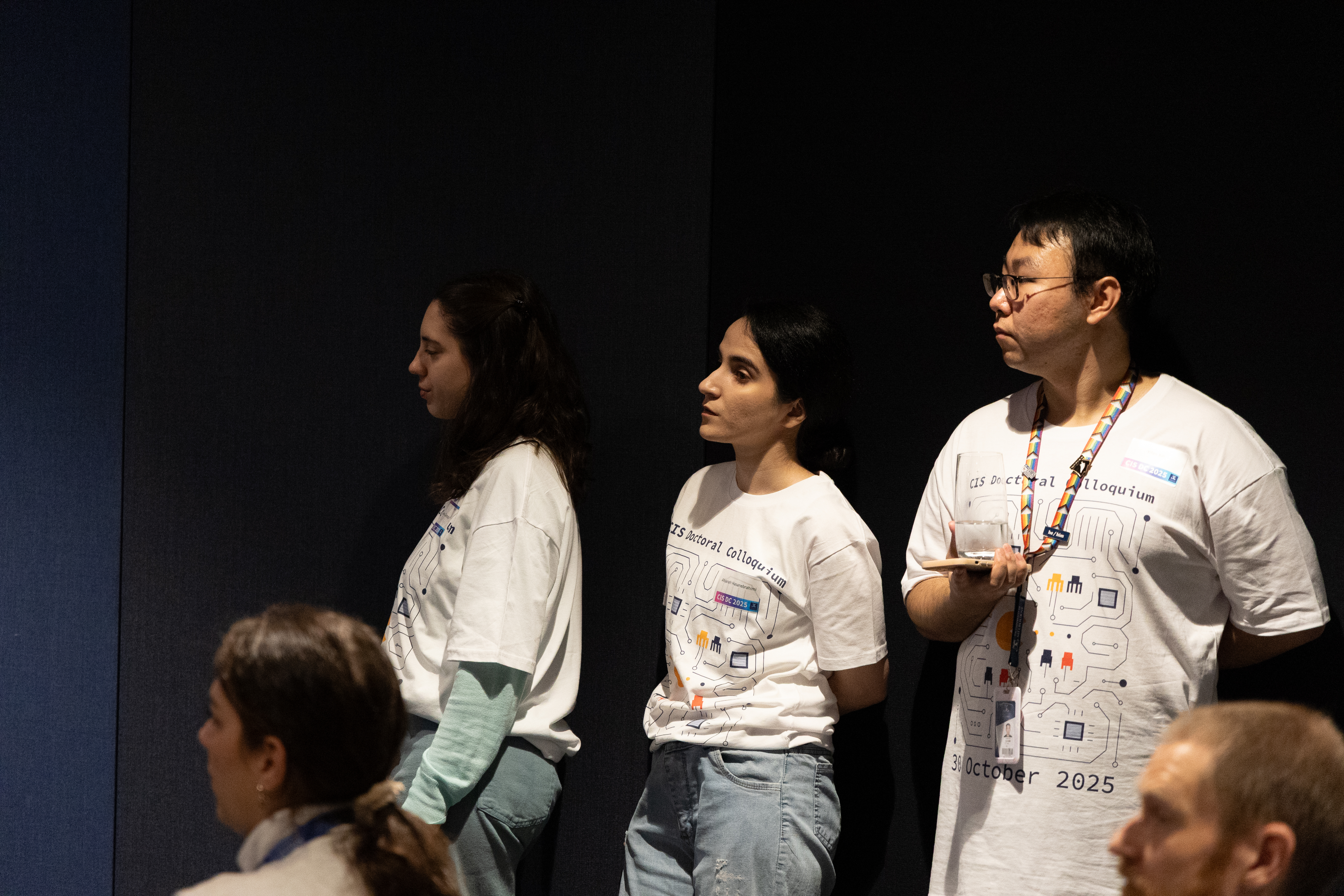
Vote for Your Favorite T-Shirt!
We’d love your input!
All amazing T-shirt designs are available for you to explore. You can view them either directly in the voting link or in the section below. Take a moment to admire everyone’s creativity and get a closer look at the designs before casting your vote.
On the final page of the Google Form, please vote for your favorite design, just one choice, and make sure to use your UniMelb email when submitting your vote.
Your voice helps decide the look of this year’s event T-shirt.
Voting has closed!
Voting Link
Submitted Designs
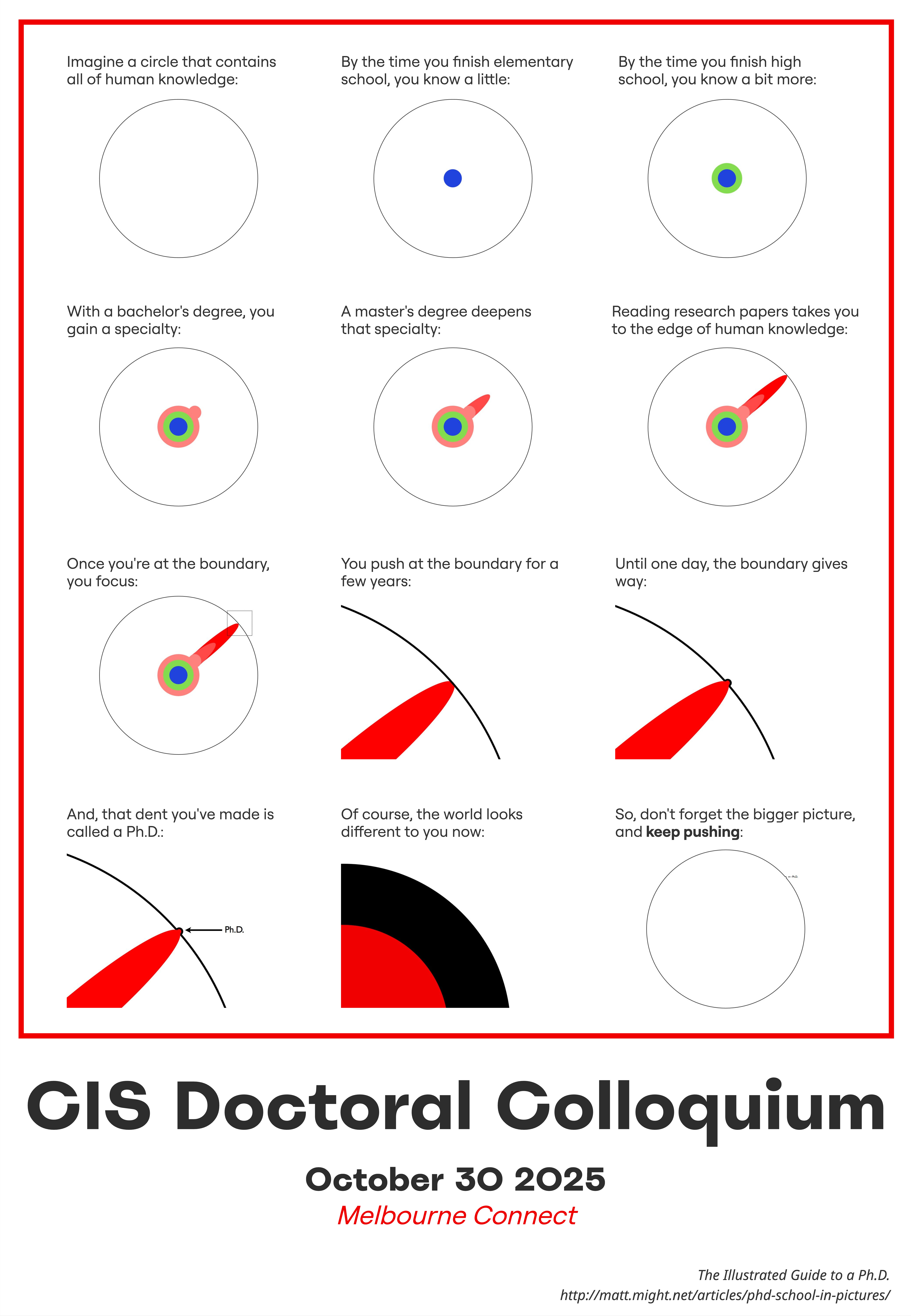
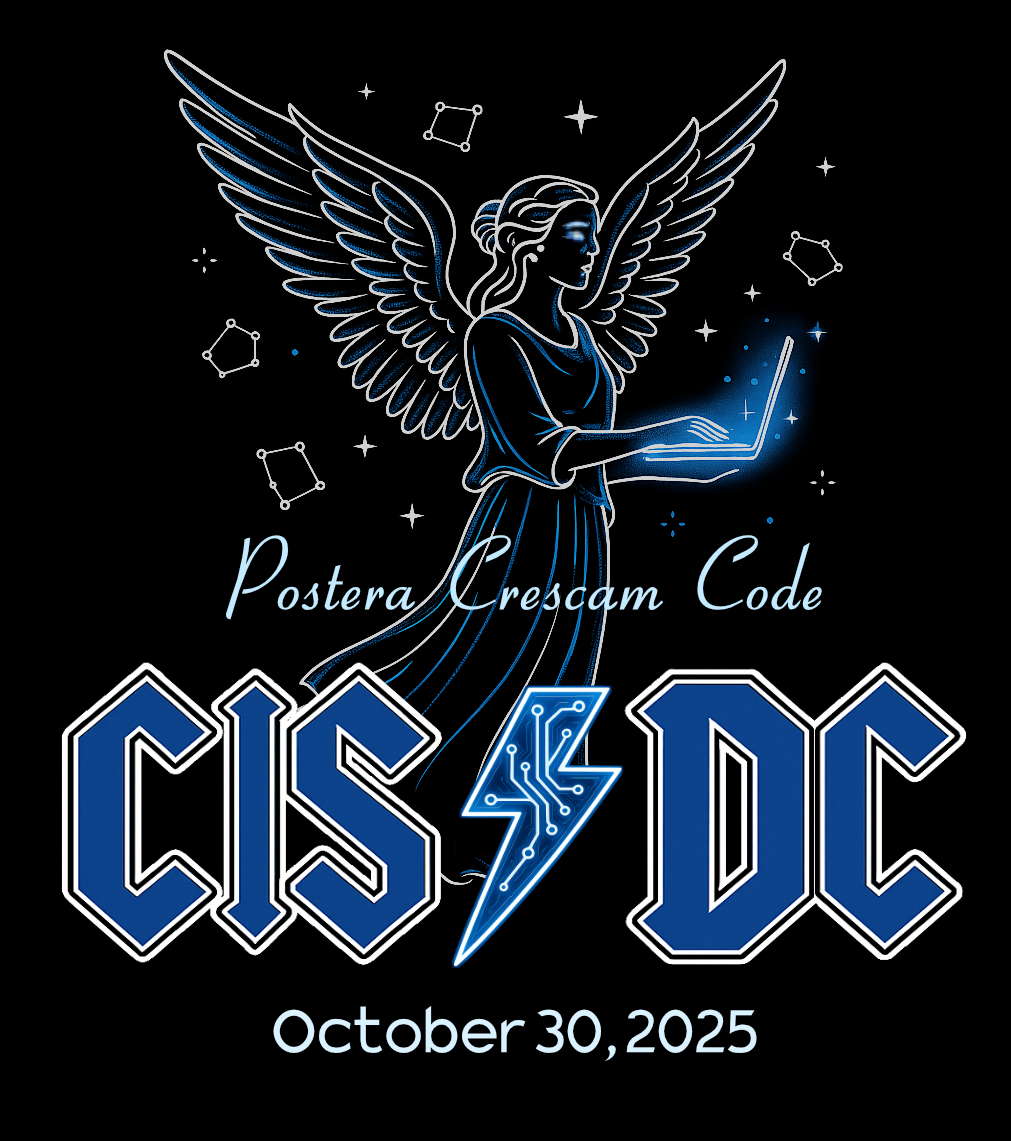
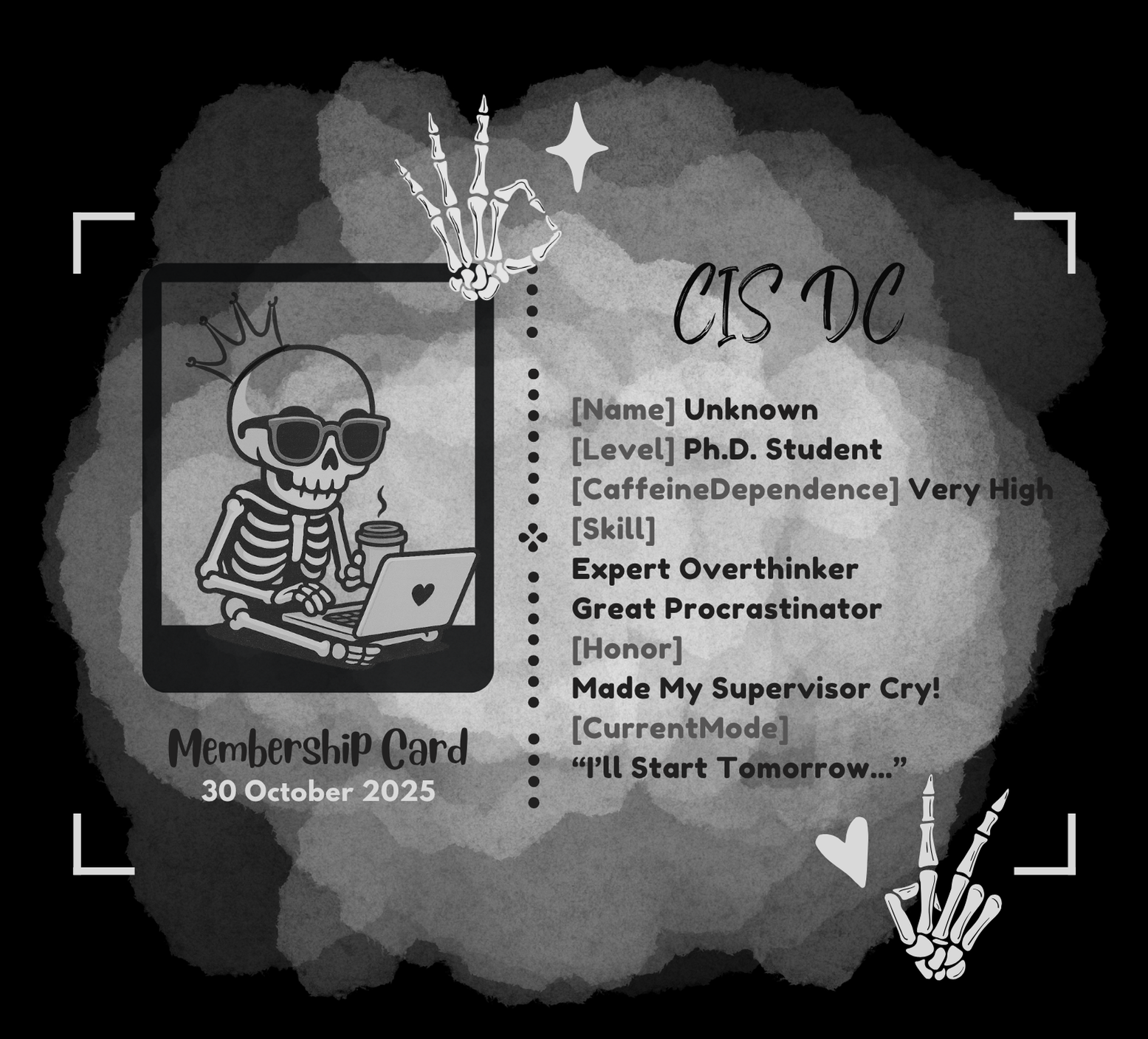

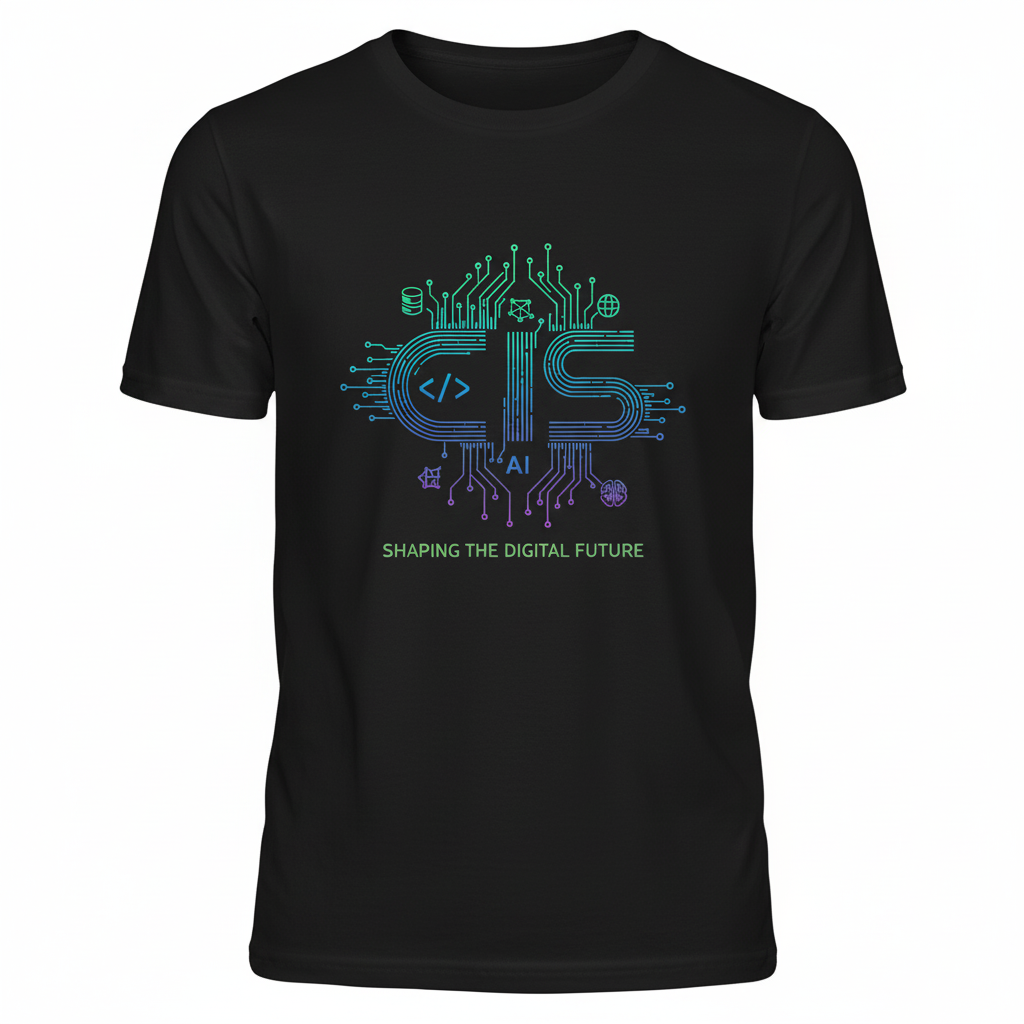
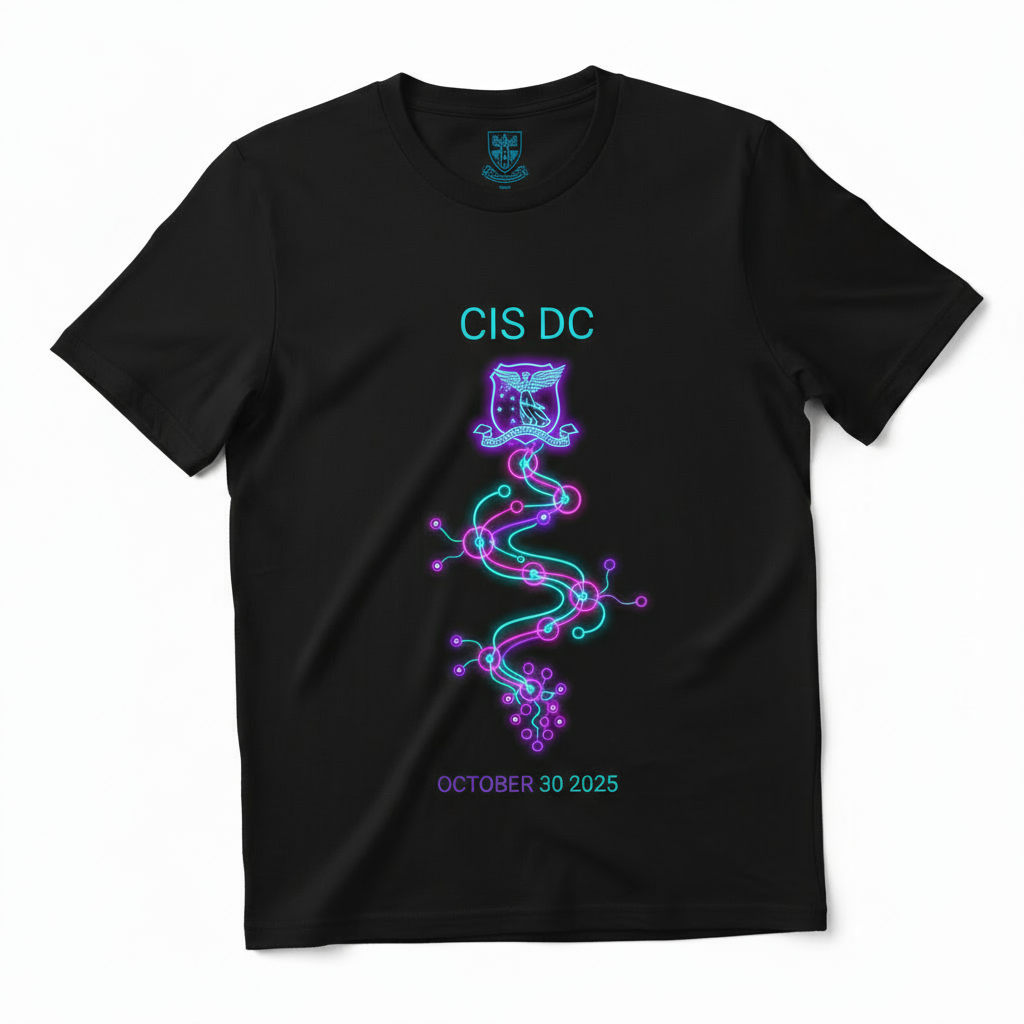
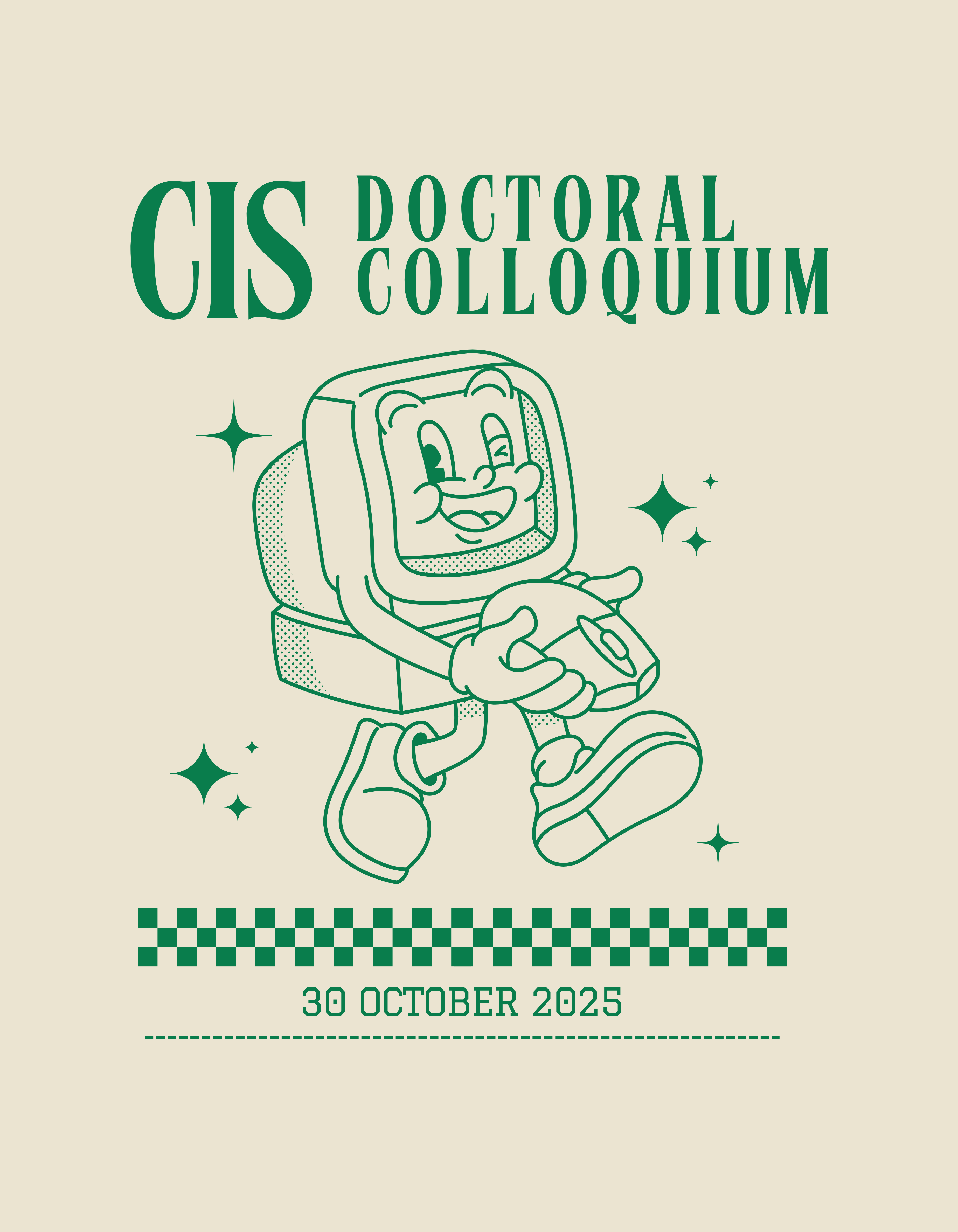

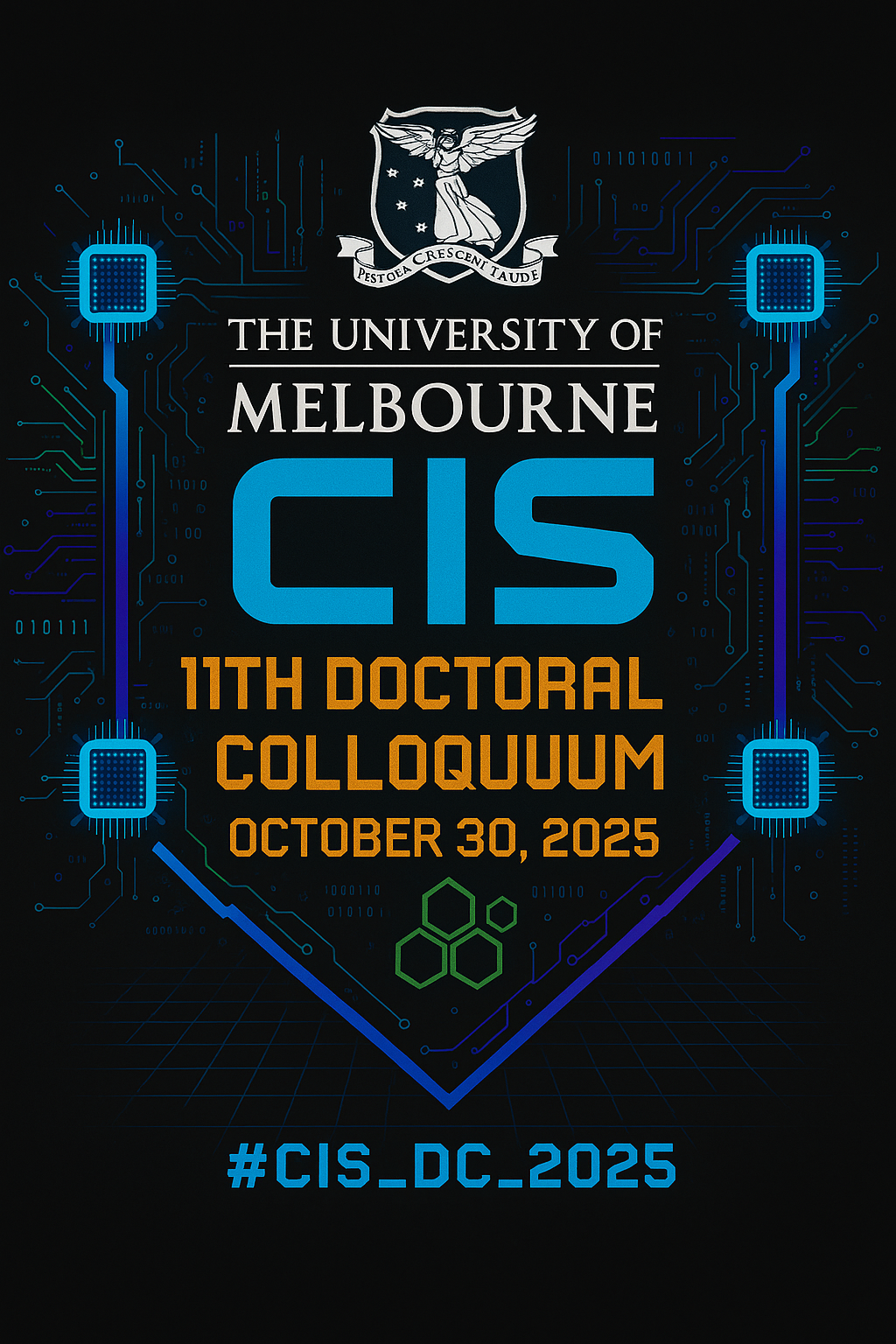
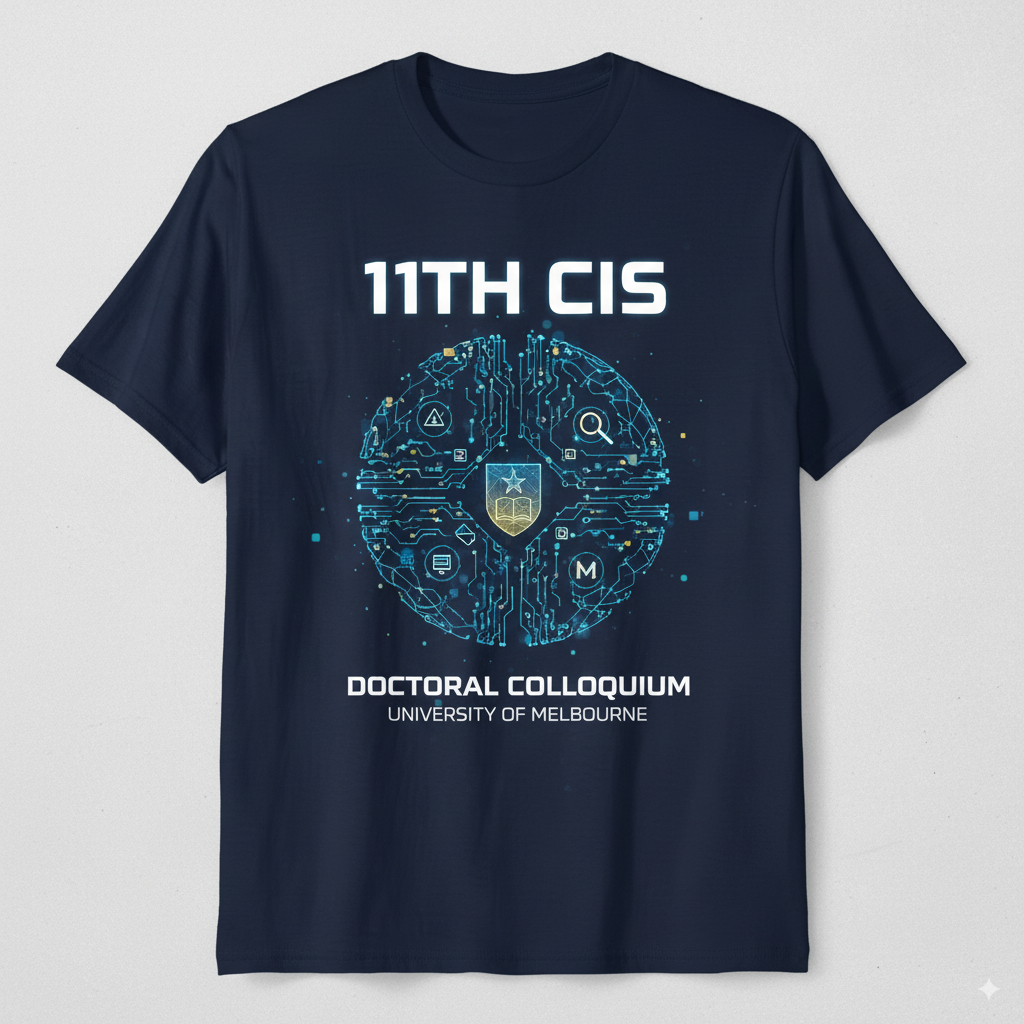
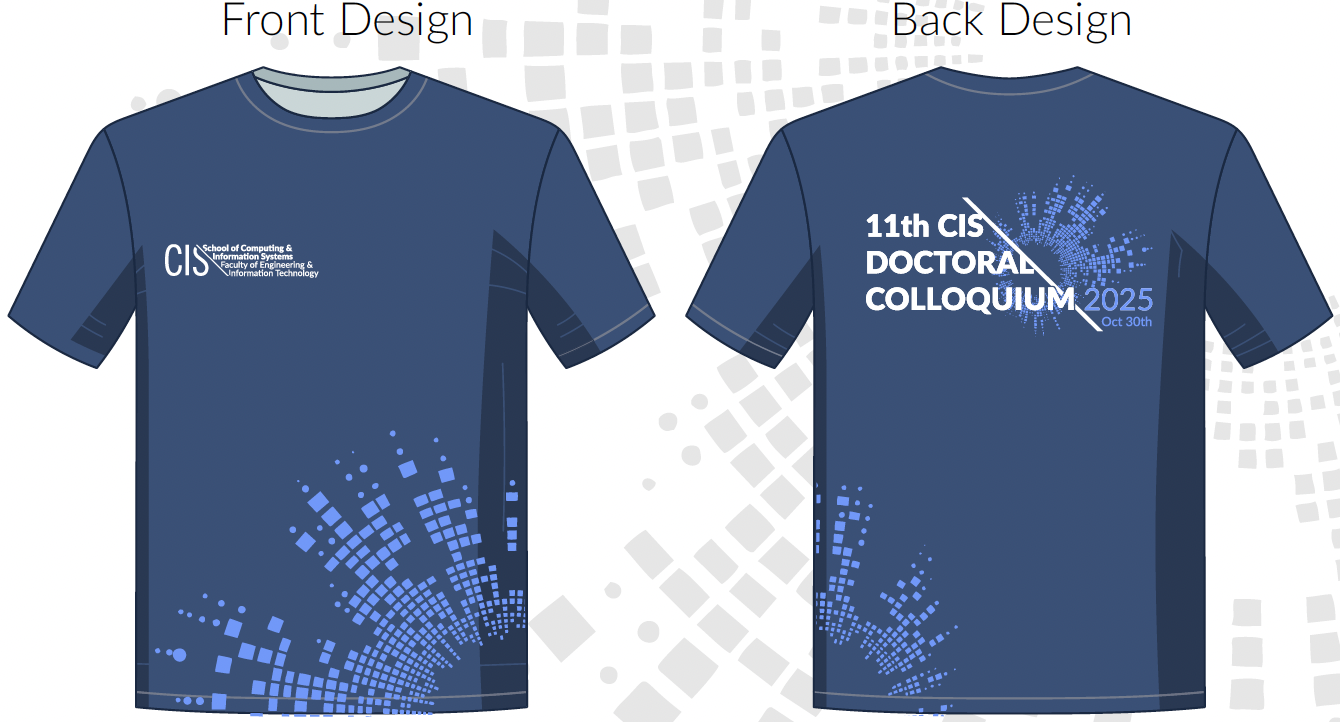
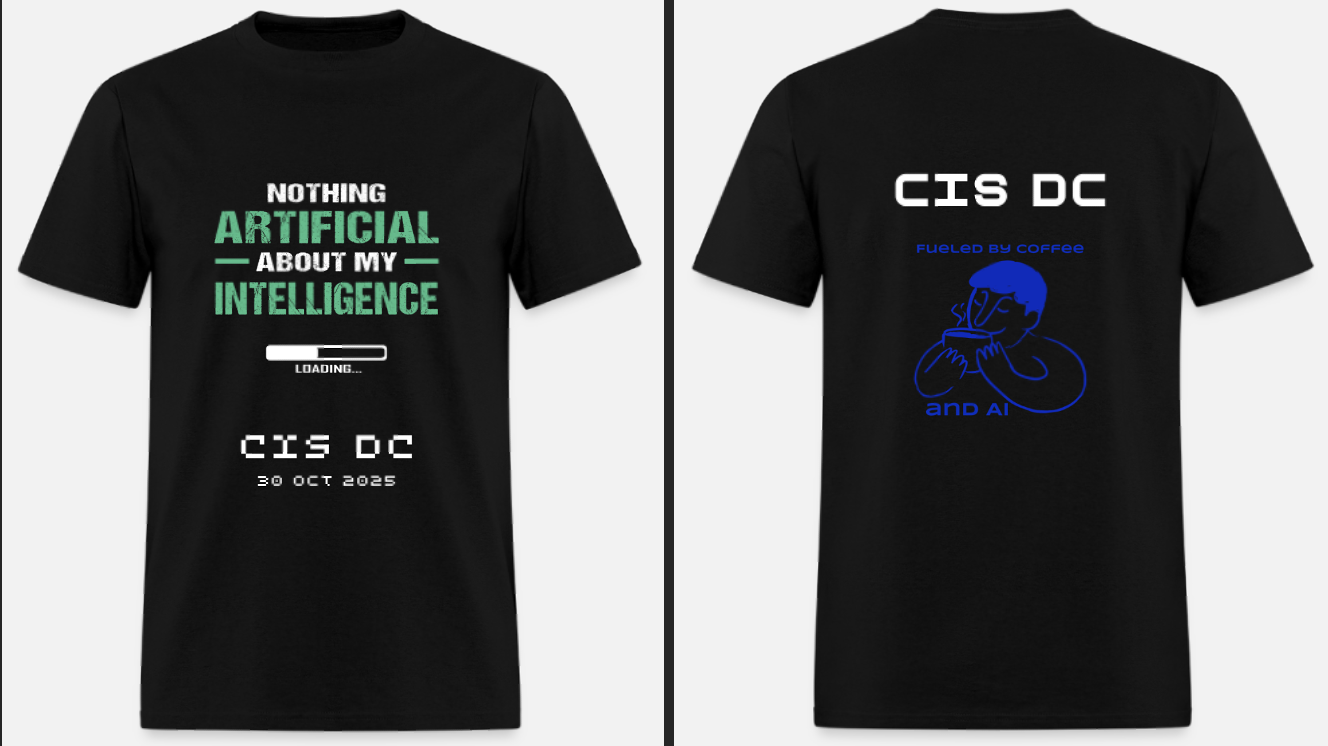
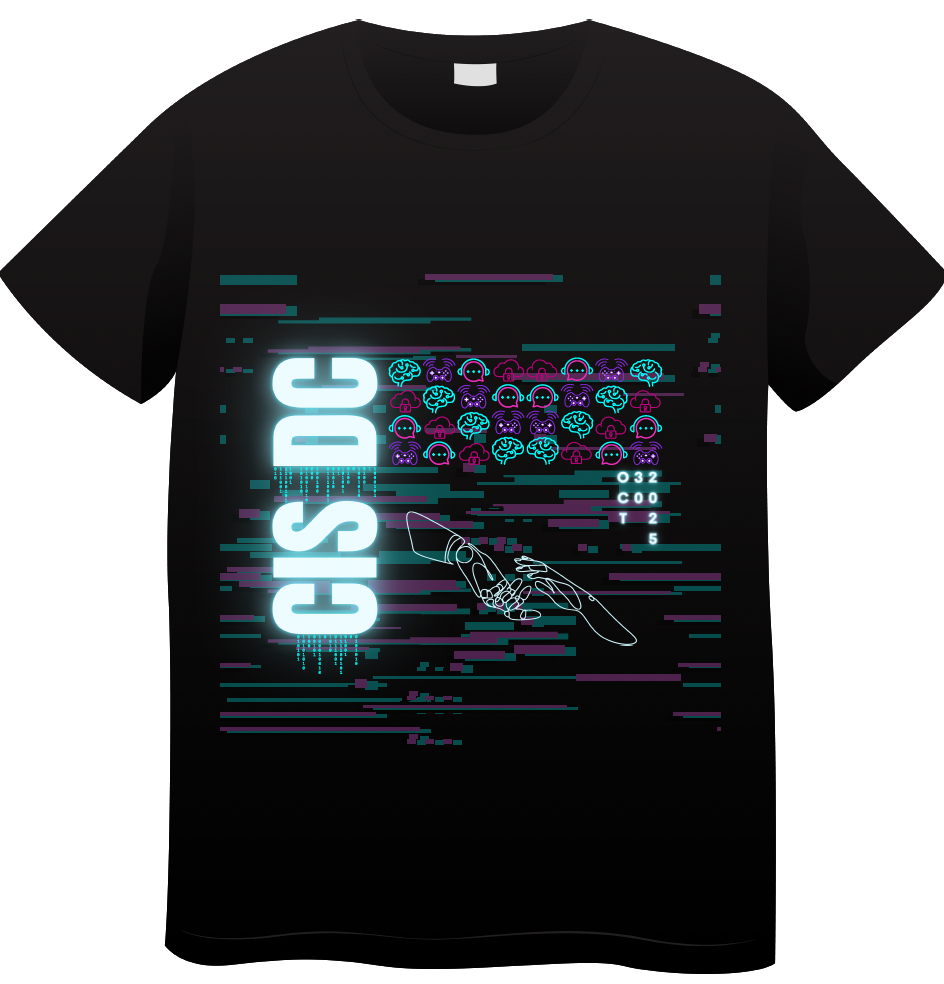
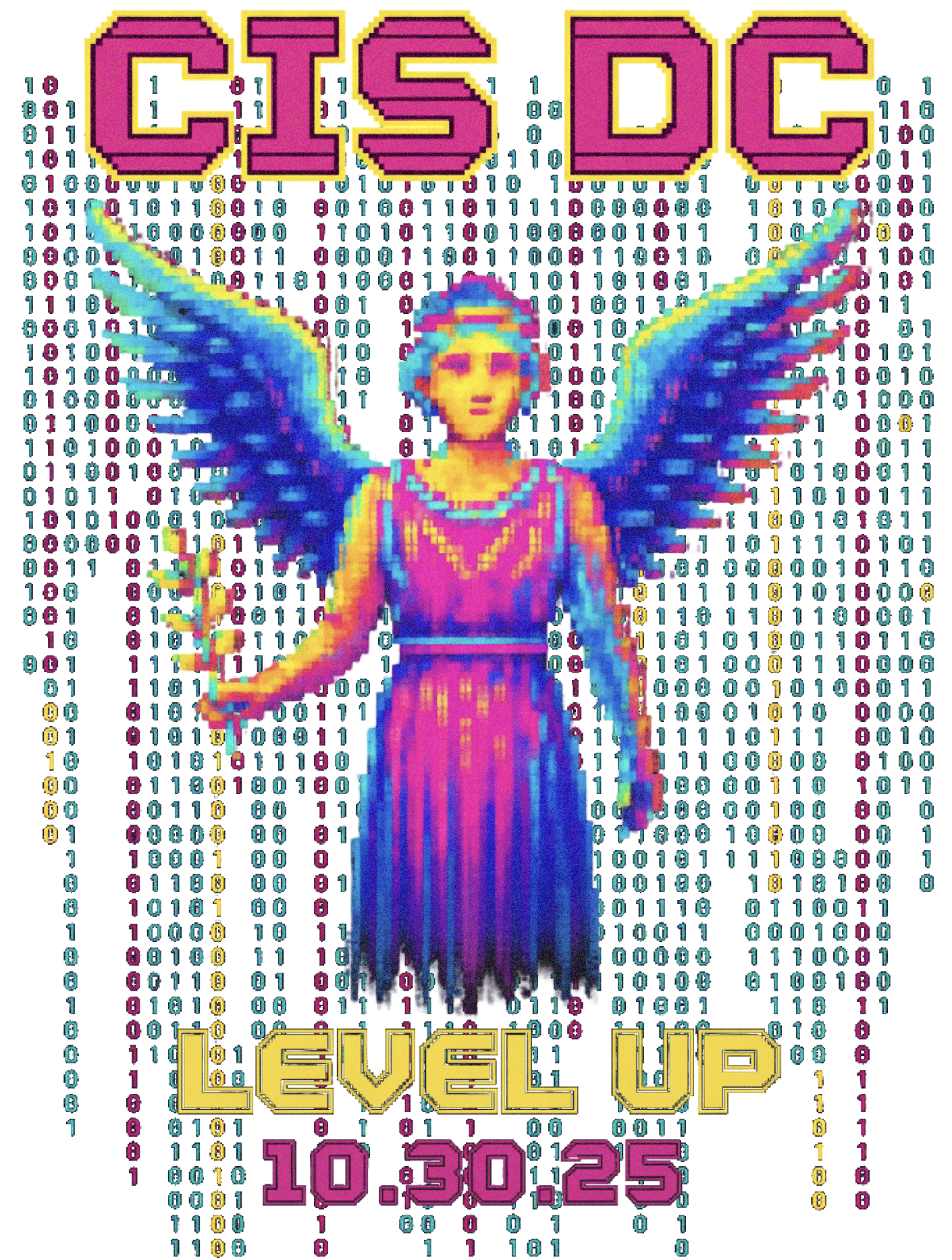
Winner
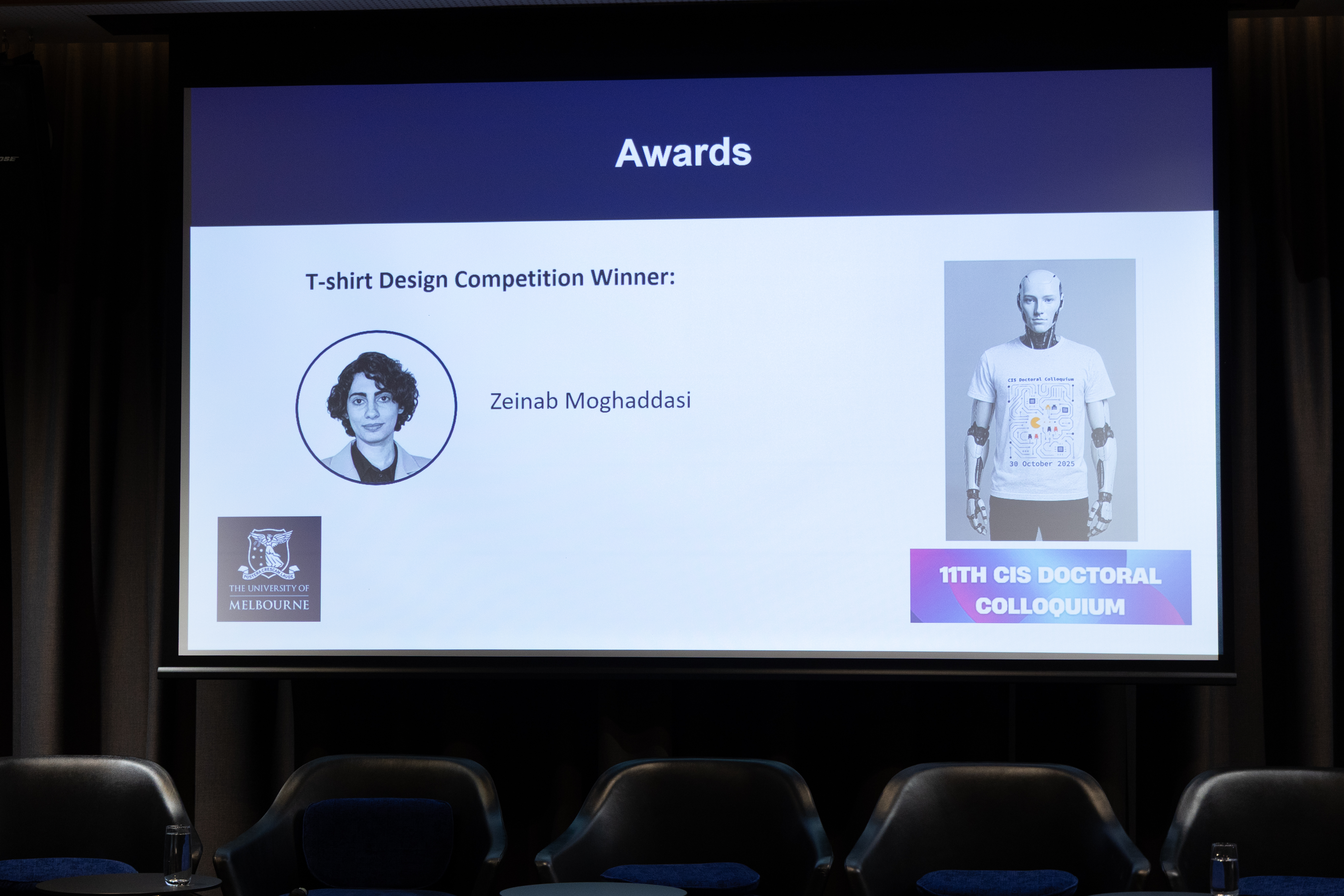
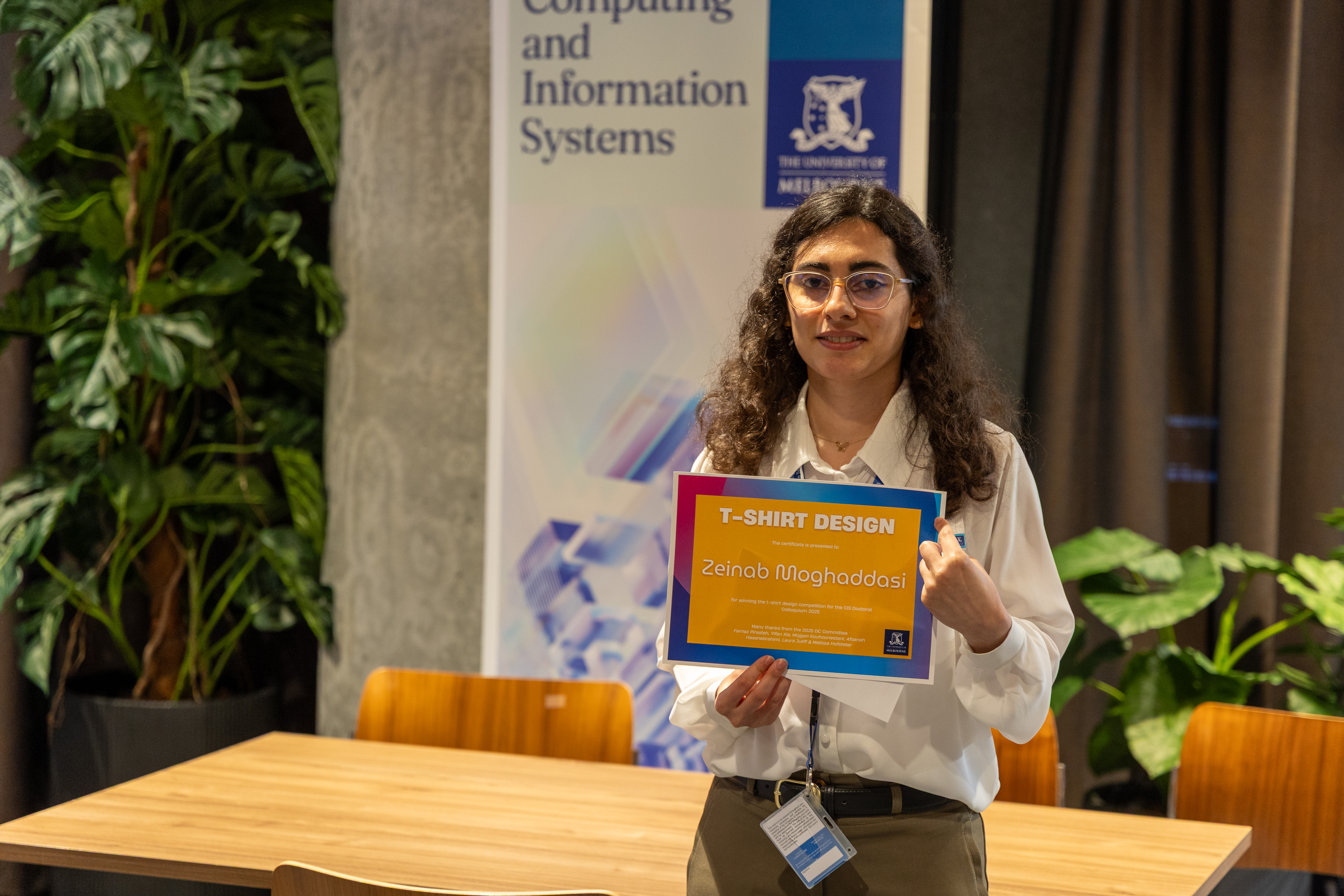
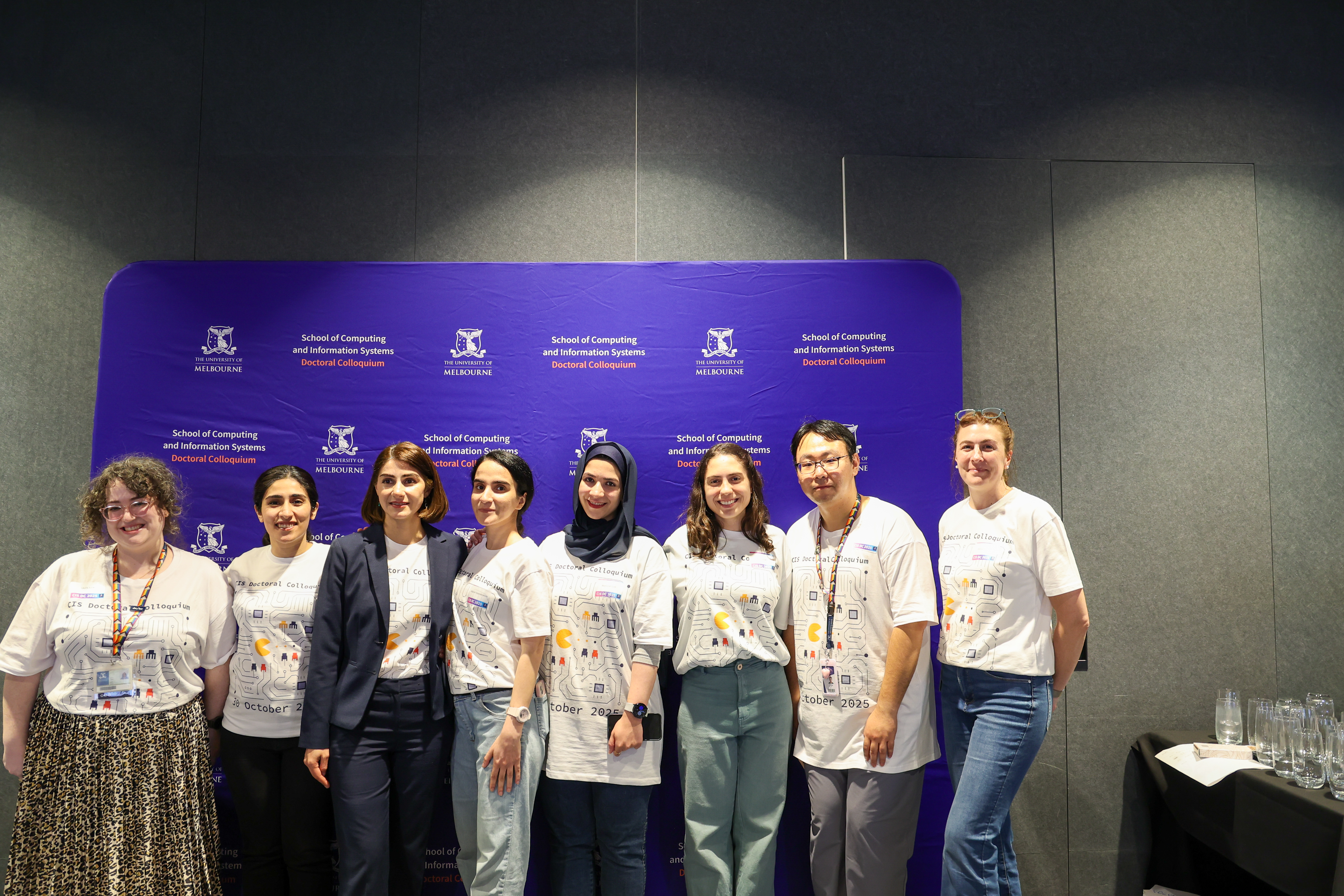
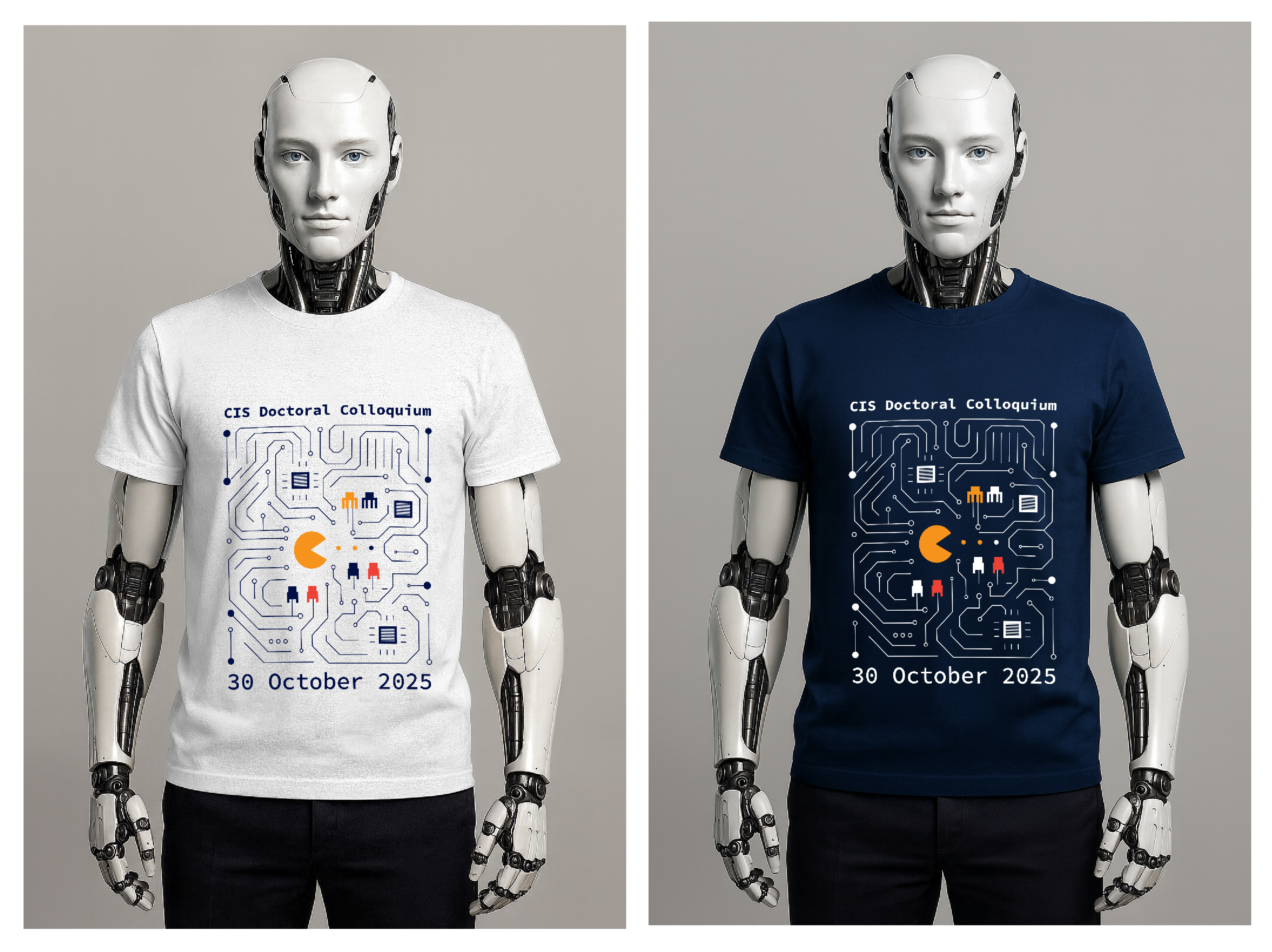
Zeinab Moghaddasi, graduate researcher at CIS, is the winner of the DC T-Shirt Design Competition!
The votes were incredibly close and all designs were fantastic, but Zeinab’s creative concept ultimately came out on top.
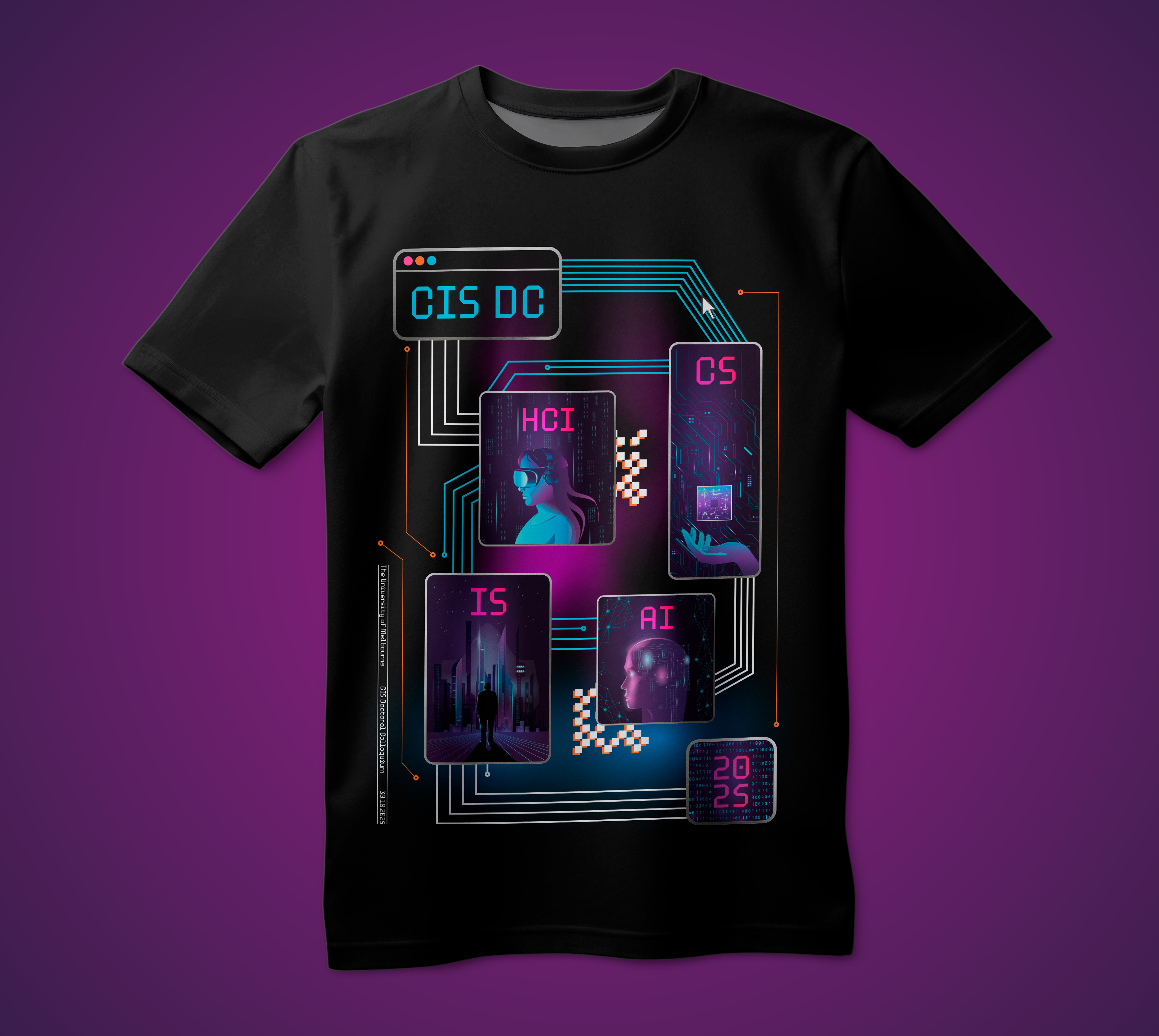
A big shout-out to Antony Linden, another graduate researcher at CIS, who came a very close second in the DC T-Shirt Design Competition!
T-shirt Submissions
Submit your artwork and tell us why it should be featured on this year’s event T-shirt!
Your only design constraint: you must include the event name (“CIS DC” or “CIS Doctoral Colloquium”) and date (October 30, 2025).
The final winner will be chosen based on a combination of popular votes (and the CIS-DC Committee’s votes in the event of a tie).
Submission
- Upload your design in one of the following formats: JPG, PNG, SVG, PDF, etc.
- Include a short paragraph explaining why your design is a great fit for the event T-shirt.
Prize
- $400 cash prize
- One CIS-DC T-shirt
Submission has closed.
Rules and Fine Print
- This competition is only open to UniMelb CIS graduate researchers
- Winner to be determined by popular vote. In the event of a tie, the DC Committee will select a winner.
Important Dates
- Monday 15 September 2025
-
Submission Open
- Friday 10 October 2025
-
Submission Deadline
- 13 - 24 October 2025
-
Popular Vote
- Monday 27 October 2025
-
T-Shirt Winner Announcement
Farnaz Pirasteh
Conference Chair
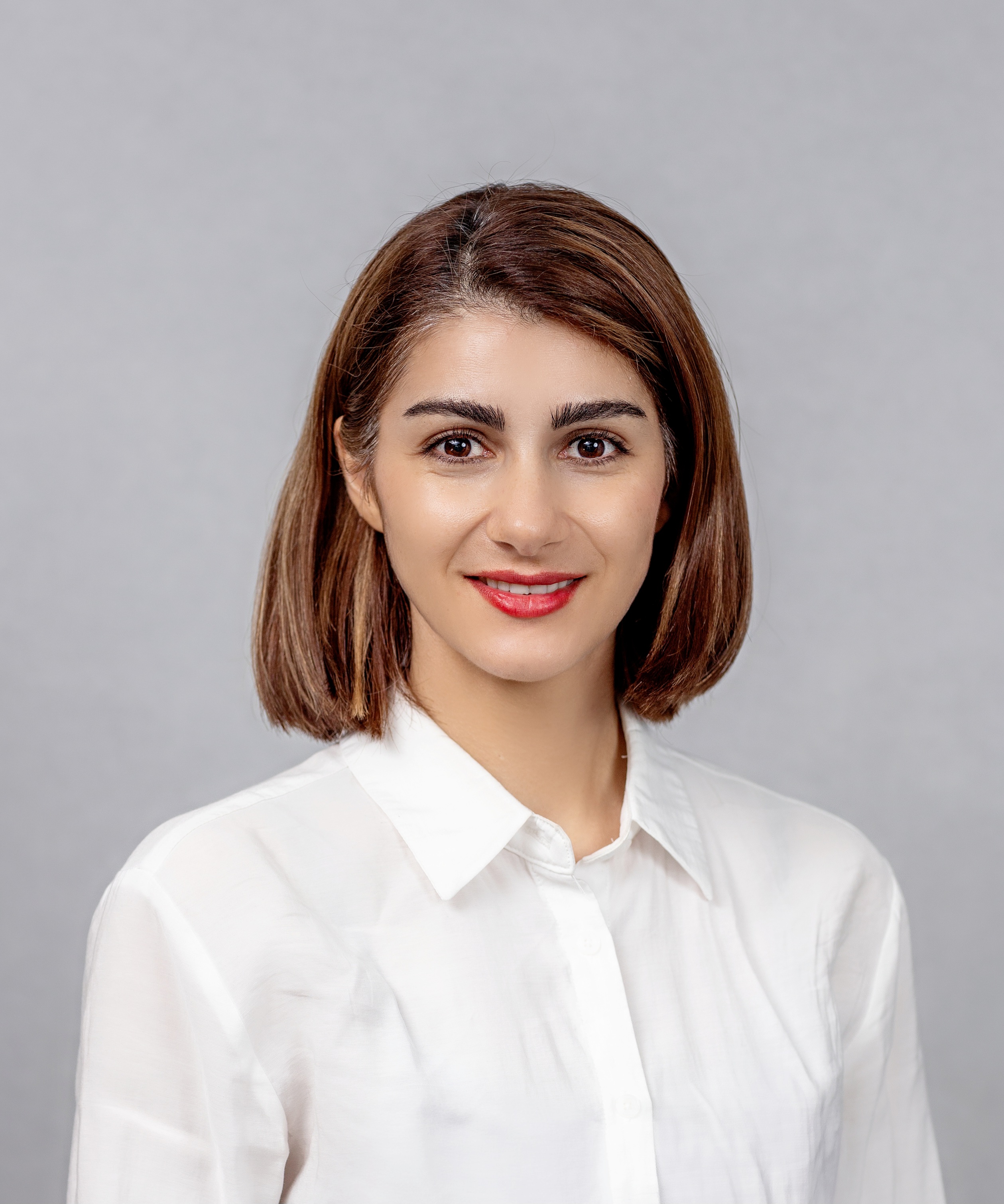
Hi, I’m Farnaz Pirasteh, a PhD candidate in Information Systems at the School of Computing and Information Systems, where my work focuses on social media analytics. With a background in statistics and data analysis, as well as in media as a reporter and content creator, I’ve long been fascinated by how people connect and communicate, and this passion continues to guide my research into online interactions and community experiences. Alongside my PhD, I contribute as a tutor in CIS and serve as a Graduate Student Association (GSA) Research Officer. As Chair of the Doctoral Colloquium 2025, I warmly welcome you to this year’s event and look forward to the conversations, ideas, and connections we will share together.
Laura Camargo
Program & Publications Chair
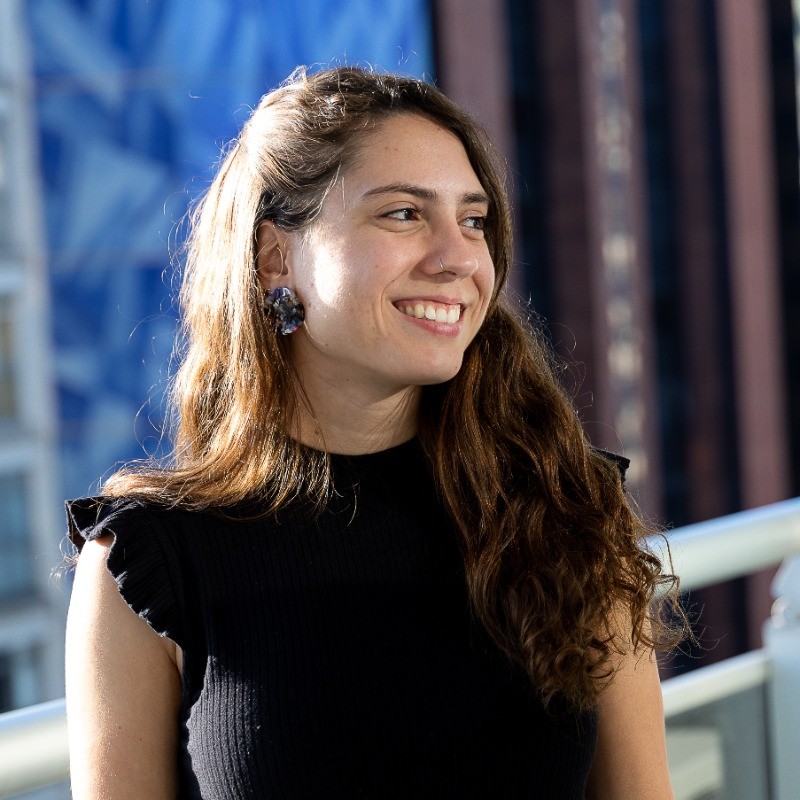
Hello! My name is Laura, I am a Brazilian social scientist, and I am pursuing my PhD at the CIS, University of Melbourne. My research explores the teaching of AI Ethics in computing degrees. I have been dedicated to the study of ethics and AI since my undergraduate years, driven by a belief that technology is a powerful tool that must be developed and applied responsibly, always aiming social good. Beyond that, I am passionate about arts, sports and getting to know different cultures.
Mojgan Kouhounestani
Marketing and Public Relations Coordinator
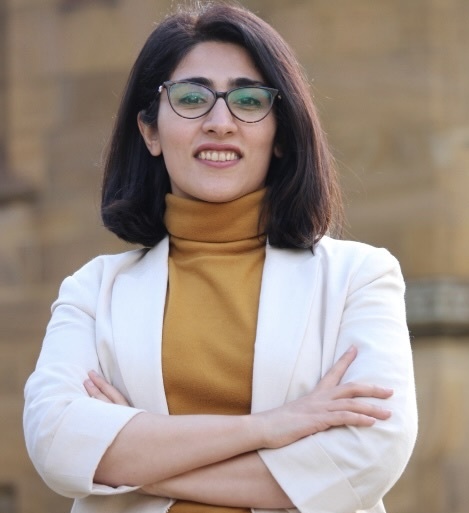
Mojgan is a third-year PhD candidate in Artificial Intelligence at the School of Computing and Information Systems, specializing in medical data mining. Her research focuses on uncovering patterns in healthcare data to support better decision-making and improve patient outcomes. In DC 2025, she contributes as the Marketing and Public Relations Coordinator.
Afsaneh Hasanebrahimi
Website & Registration Coordinator
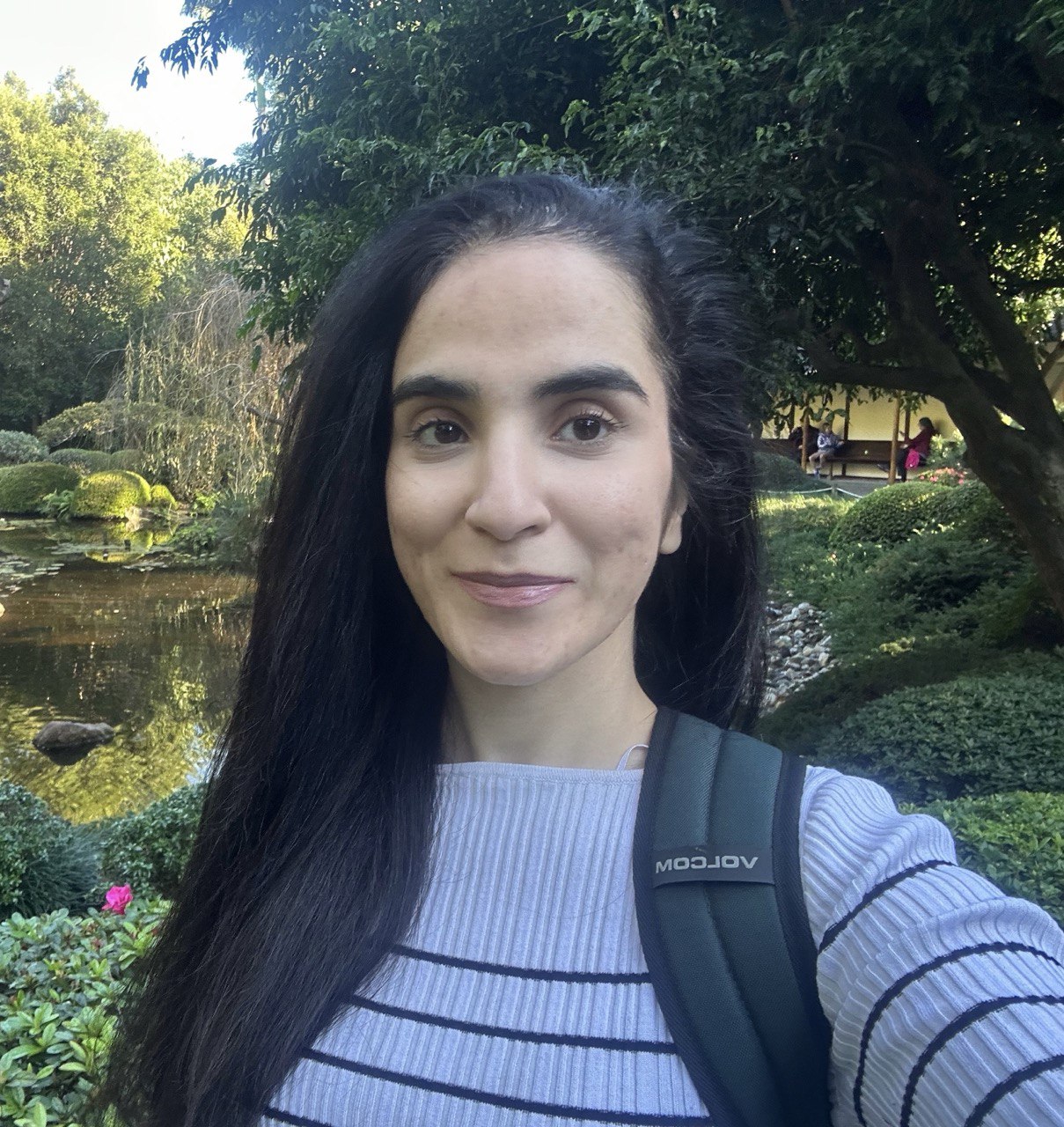
Afsaneh is a PhD candidate in the School of Computing and Information Systems at the University of Melbourne. Her research focuses on robustness and bias mitigation in deep learning models. She is responsible for website maintenance and registration.
Yifan Xie
Finance Chair & Secretary
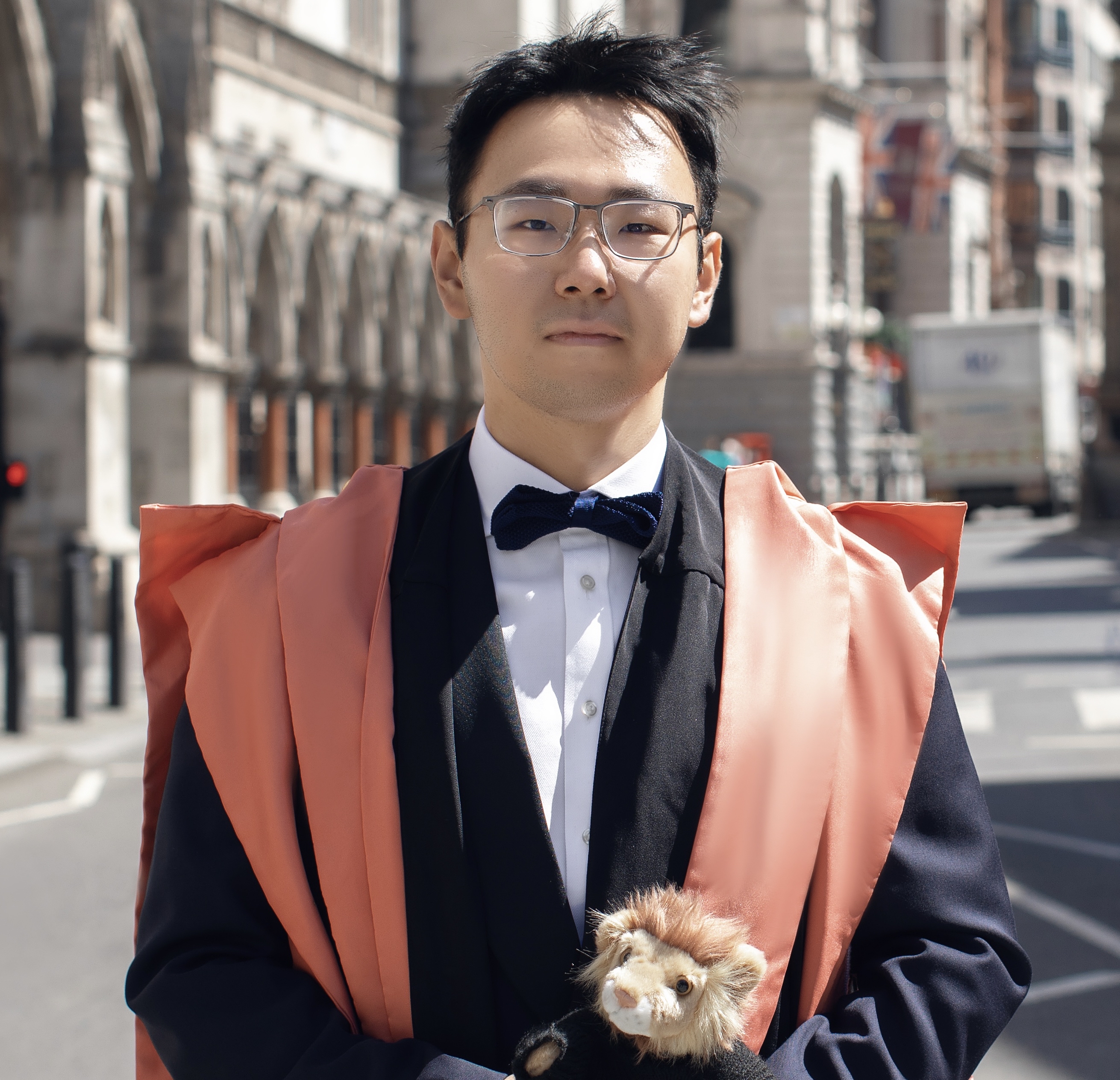
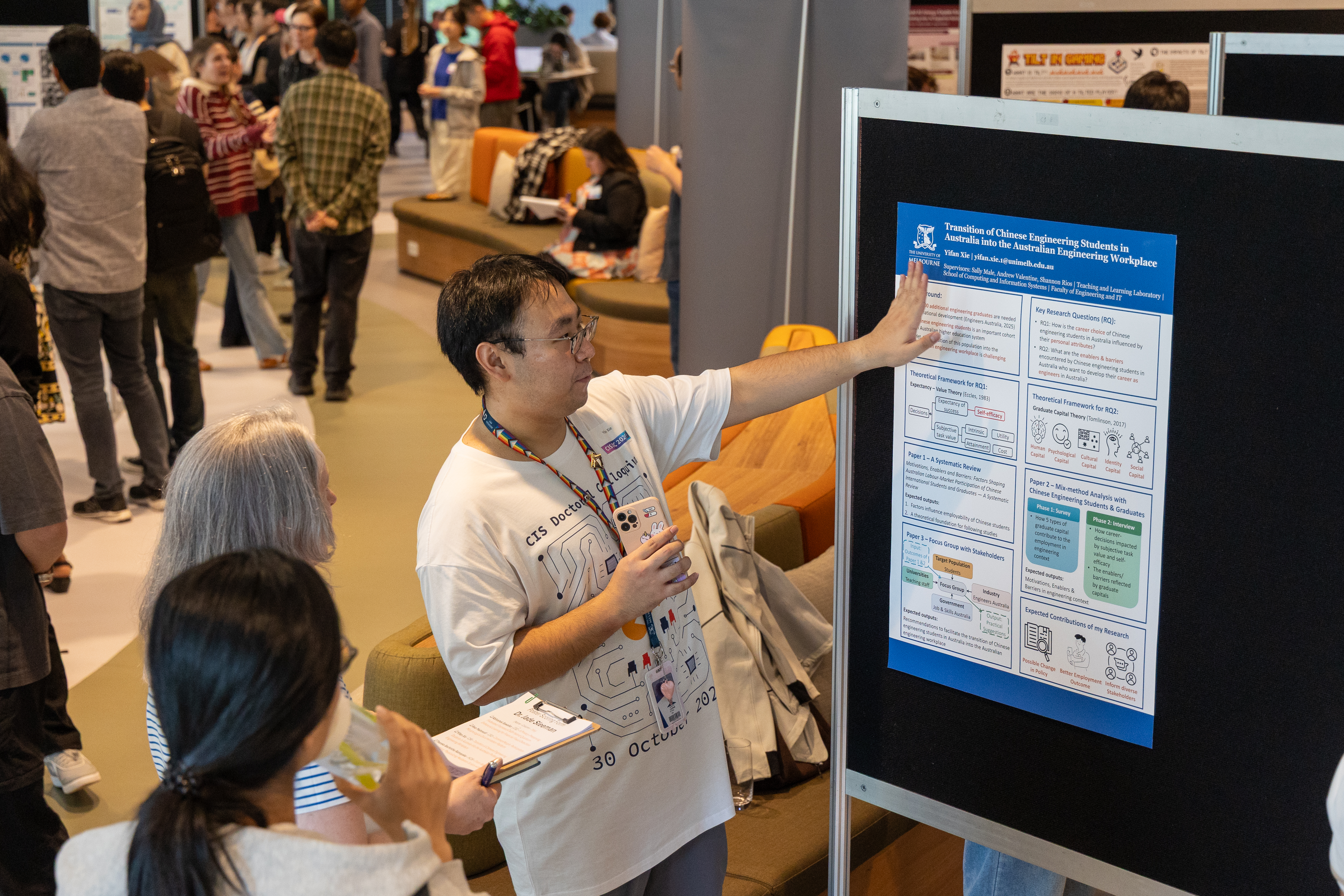
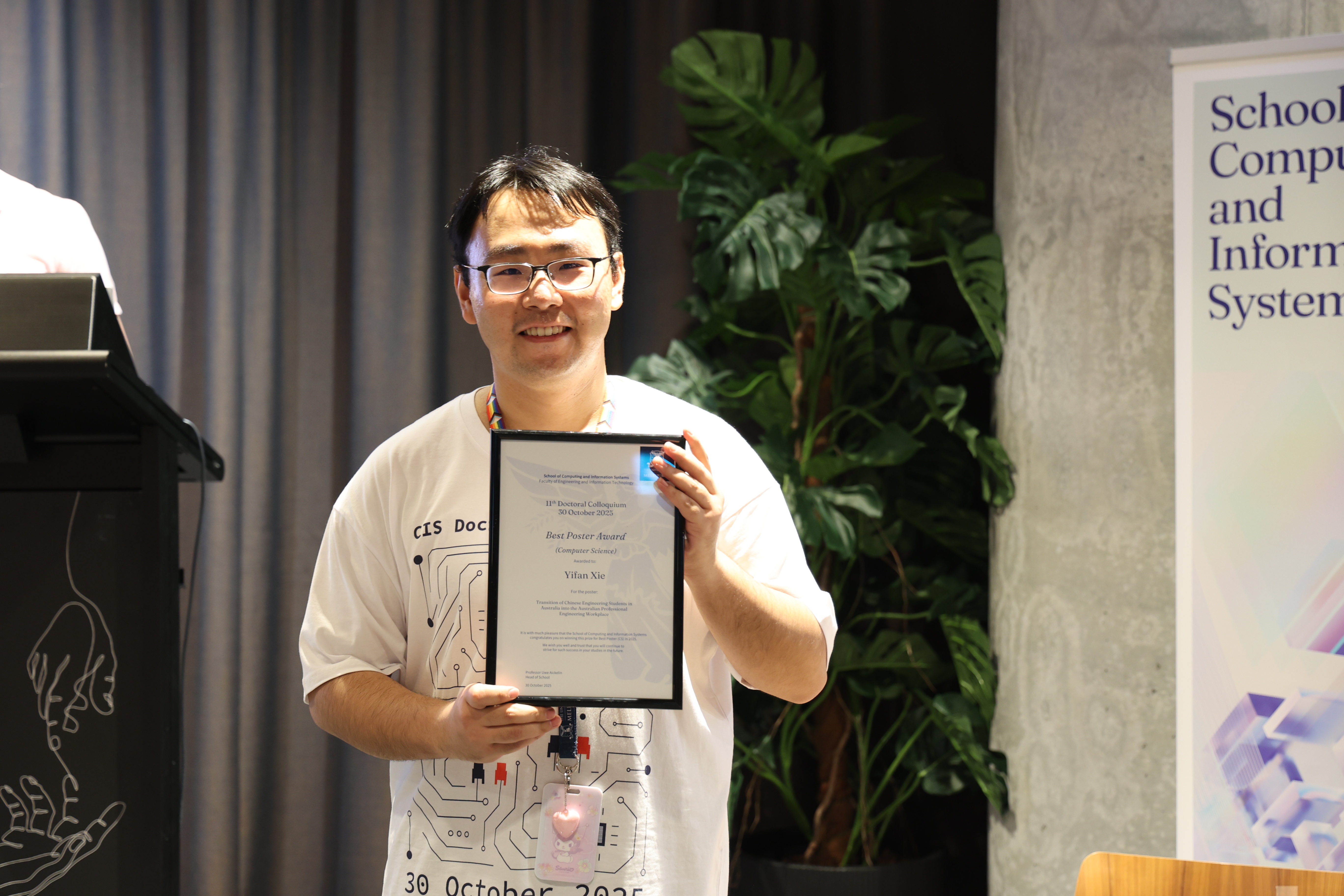
Yifan Xie is a graduate researcher with a transdisciplinary research topic that bridges engineering and education. His major emphasis has been exploring the influence of transferable abilities, such as active learning and problem-based learning, on engineering education and learning experiences. With a background in both engineering and education, in his PhD, he will explore the transition of Chinese engineering students in this country from academia into the local professional engineering workplace, and to advance our thinking about how to introduce a greater practical orientation to engineering education.
Contact
Sponsoring
Interested in sponsoring our next Colloquium? If you are interested in hearing more about how your organisation can be a part of our event, contact us by email at: CIS-DC@unimelb.edu.au
Enquiries
Any further enquiries, contact the CIS DC team:
Go back to the colloquium web page.