There have been women working in computing since its inception.
Many outstanding women have studied computing in the Department and have become leaders in the field.
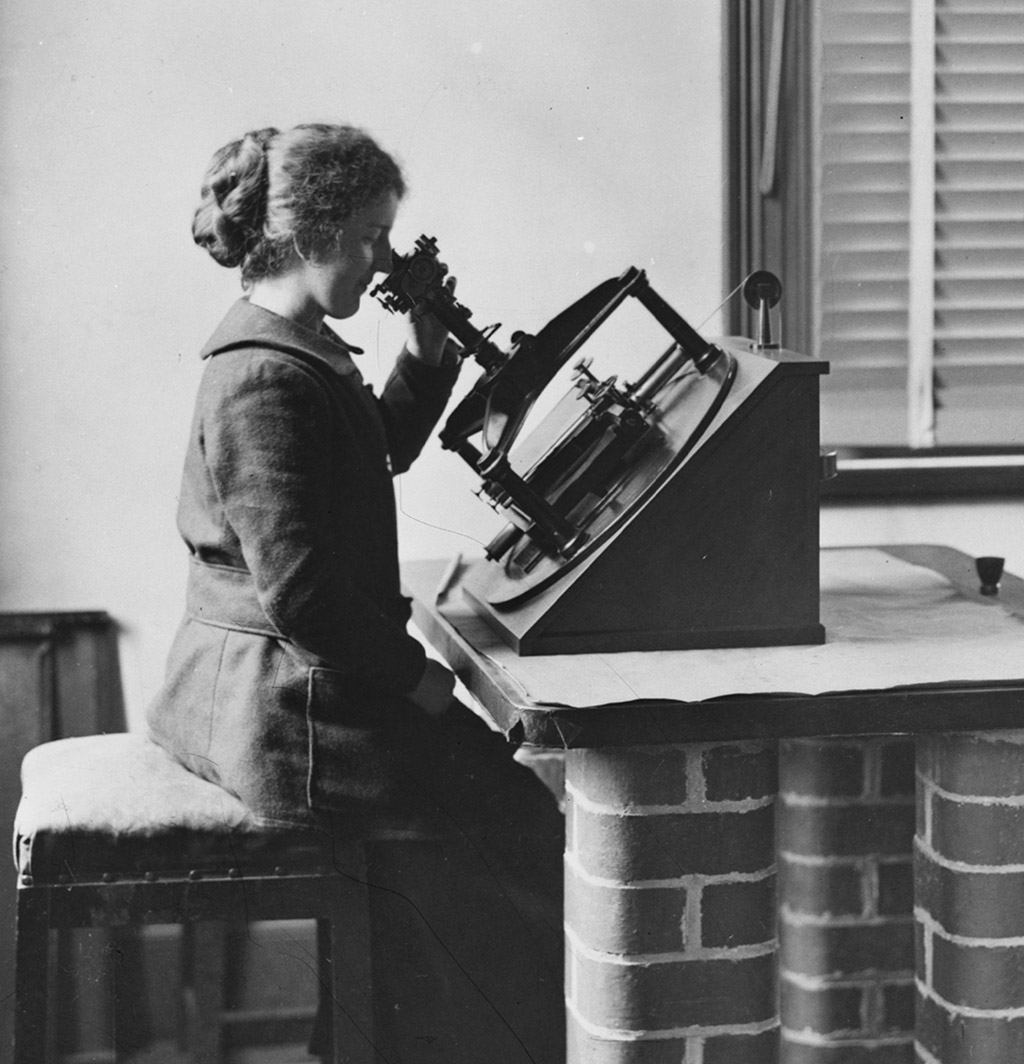
Melbourne’s first computer room was housed at the Melbourne Observatory in the late 1800s, and was filled with women logging the position of the stars for the Astrographic Catalogue.
It was common for women to be the data processors in scientific environments. The women were often called computers, and it was a skilled and demanding occupation. Kay Thorne, extract from The Last of the First, CSIRAC: Australia’s First Computer
There have been women involved in computing in the Department since the 1950s. In the early days of CSIRAC, women such as Alison Doig and Belinda Pearson used the computer for their research. Jane Power was the first female programmer of CSIRAC. Staff member Kay Thorne provided technical and administrative support to the Computer Laboratory from 1959 and continued with the department for fifteen years.
I was fascinated by the new field of computer science and excited to have the opportunity to understand it. Cathie Jilovsky, student 1970–71
There have been many female academics in the Department. Liz Sonenberg became the first female head of a computing department at the University when she became Head of the Department of Information Systems from 2000–2007 and again in 2011.
While women have made a significant contribution to the Department, a gender imbalance remains. Men still outnumber women 4:1 in undergraduate studies, and 3:1 in postgraduate studies in the Department. A similar gender ratio is seen worldwide in computer science education institutions and workplaces.
I remember in my maths classes I didn’t really notice a huge gender imbalance, same with physics. I was surprised there were only five girls in my Mechatronics Engineering and Computer Science degree! Marita Cheng, past student, Founder of Robogals and 2Mar Robotics
Women at the University of Melbourne are attempting to address this imbalance by actively supporting women in the field.
They have founded initiatives such as the Robogirls competition for high school students, and Girl Geek Coffees (informal networking with other women in computing) and have also hosted the International Women’s Hackathon at the University of Melbourne. Several female students have also won the Google Anita Borg Scholarship for Women in Computing.
In recent years, the University became a founding member of the SAGE (Science in Australia Gender Equity) initiative to commit to the principles of the Athena SWAN Charter. It is the first initiative of its kind outside the UK and was established to promote gender equity and diversity, particularly in STEMM (Science, Technology, Engineering, Maths and Medicine) fields.
The Athena Swan program is an accreditation process which involves an intensive exploration of the state of gender equity and development of an action plan to address opportunities and challenges. In recognition of our commitment to take action on gender equity, the University of Melbourne was granted a Bronze Award – the first step in the accreditation program.
Targeted action is needed to help girls find rewarding career paths in ICT, and to support them to stay on those paths. The effort will pay off in innovation benefiting us all. Karin Verspoor
-
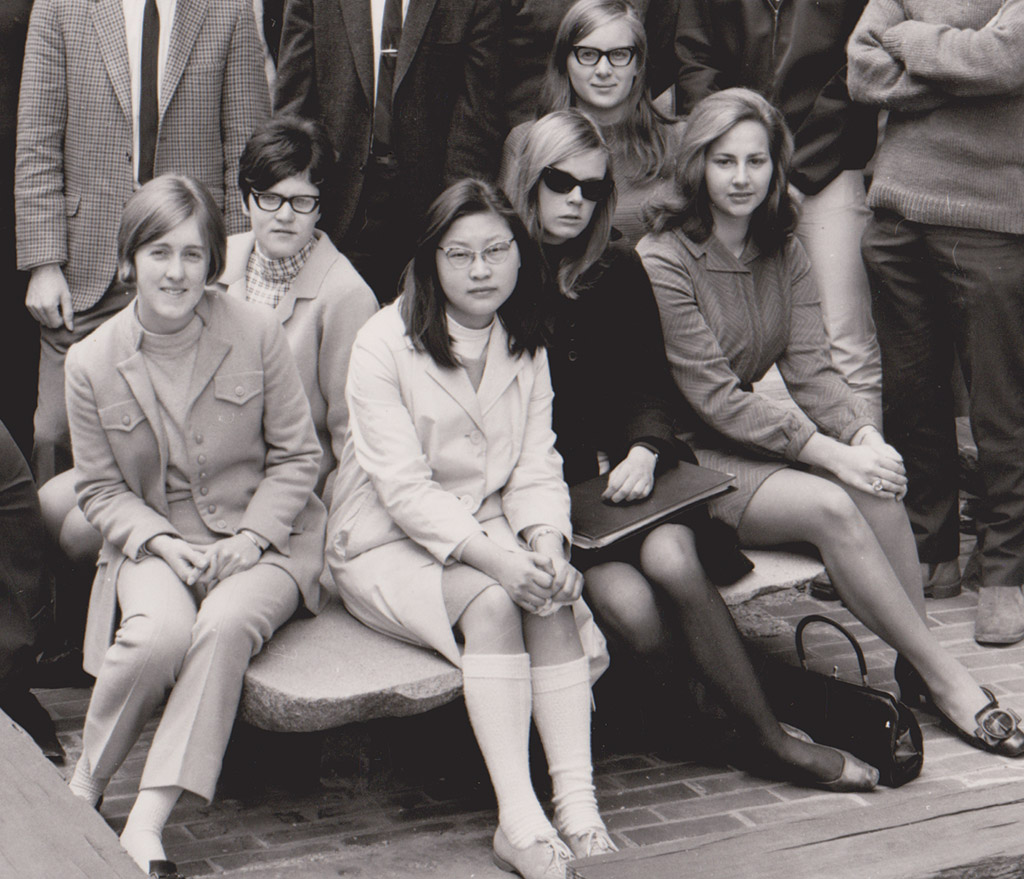
Theory of Computation II Class Photograph 1971
Theory of Computation II Class Photograph, c1971. CIS Heritage Collection. -
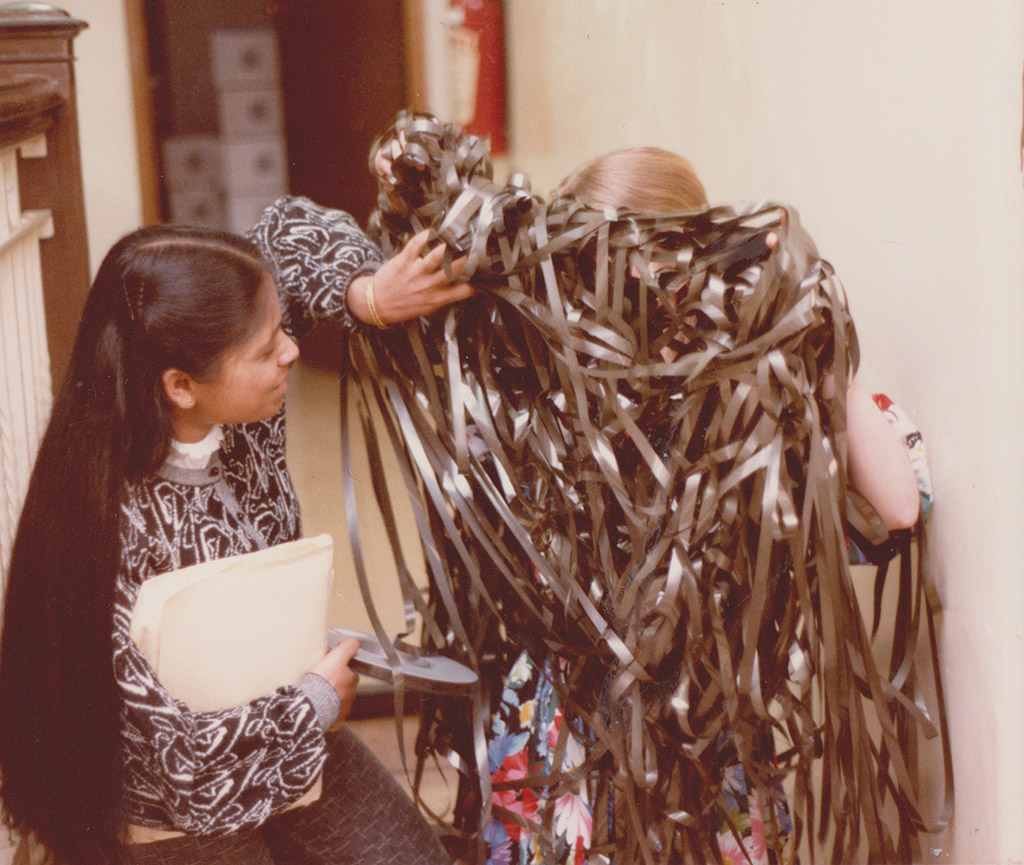
Staff tangled in magnetic tape
Staff tangled in magnetic tape, c1988. University of Melbourne. -
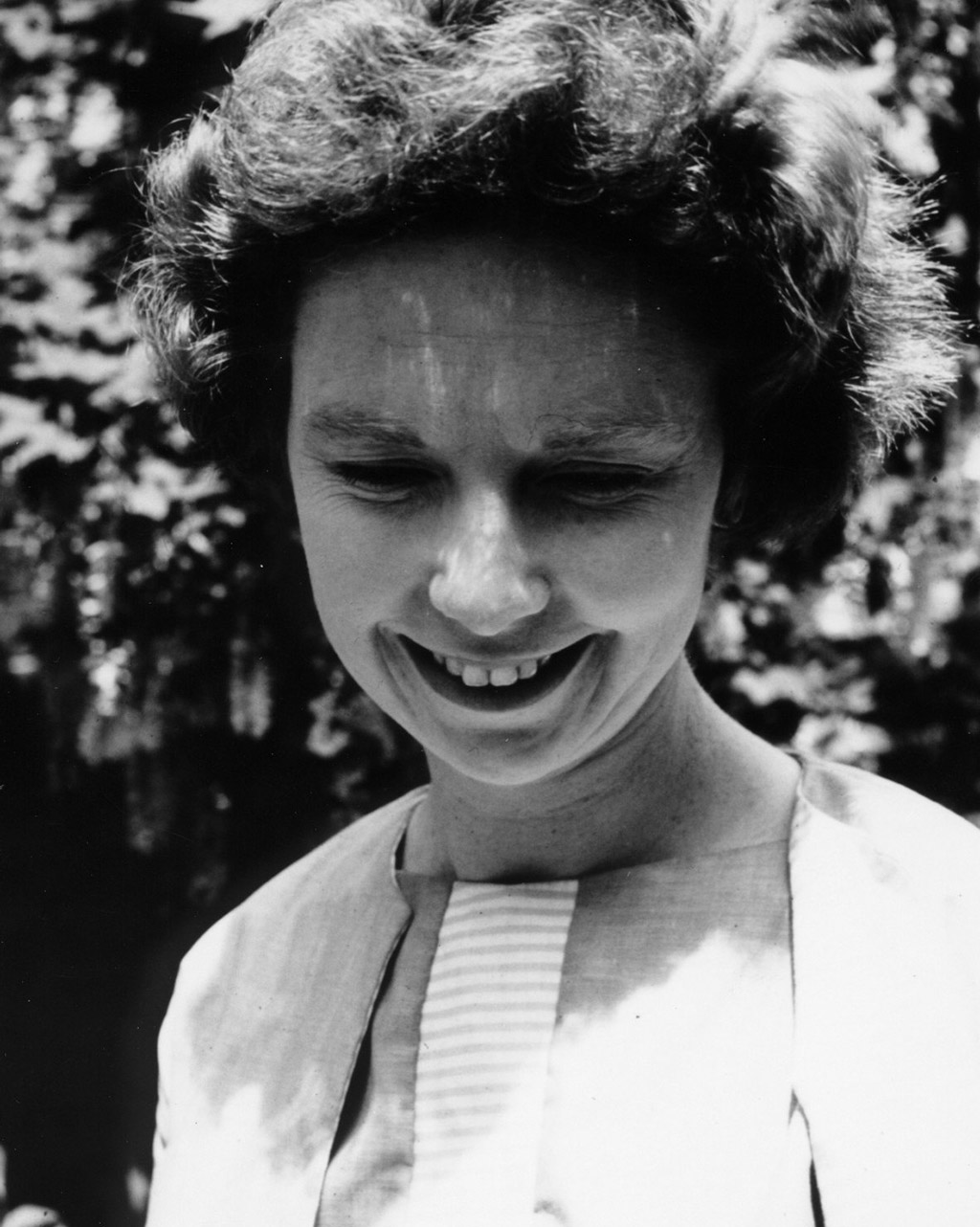
Kay Thorne c1960
Kay Thorne, c1960. CIS Heritage Collection. -
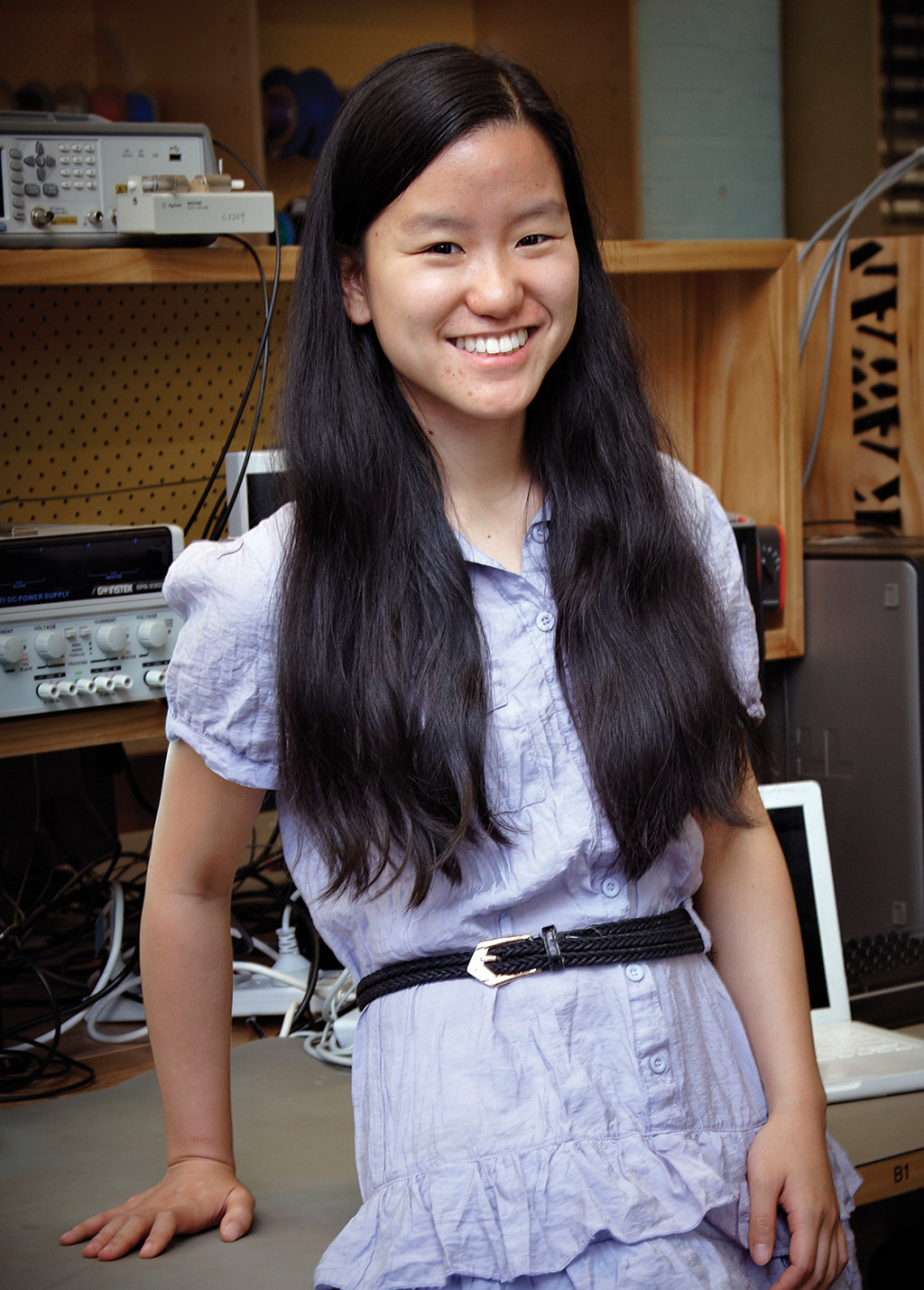
Marita Cheng (Founder of Robogals and 2Mar Robotics)
Marita Cheng (Founder of Robogals and 2Mar Robotics), 2013. University of Melbourne Media. -
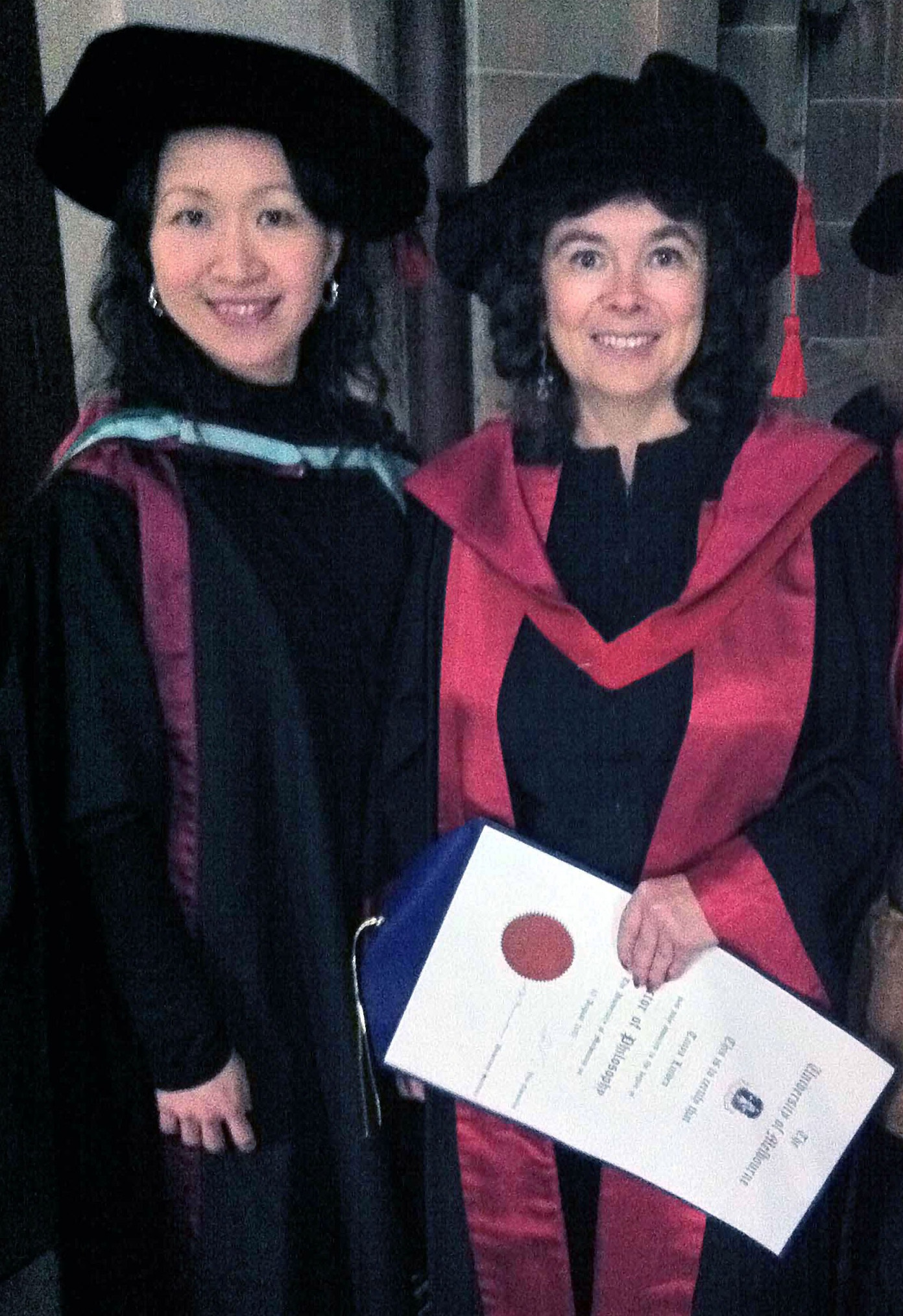
Sherah Kurnia and Tanya Linden @ DIS Graduation
Sherah Kurnia and Tanya Linden @ DIS Graduation, 2011. University of Melbourne. -
Measuring stars for the International Astrograph Project 1905
Female assistant using a photographic plate measuring machine to measure the precise positions of stars for the international Astrograph Project, c1905. Source: Museum Victoria.